Single Life · 6 min read
Building Your Village: The Importance of Friendship as a Single Woman
In January, as many focus on romantic relationships, this article highlights the crucial role of strong friendships in a single woman's life and how to nurture these vital connections.
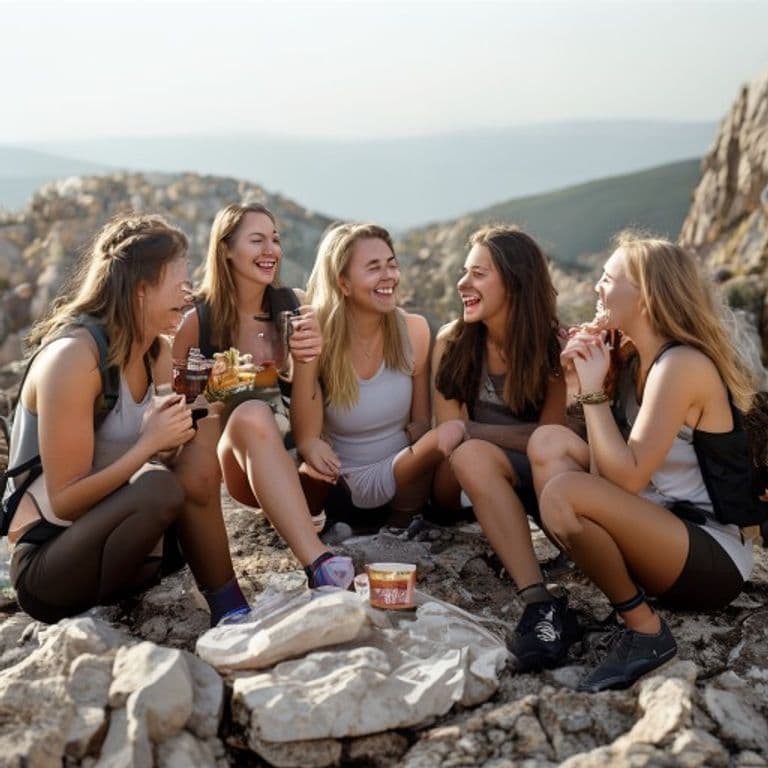
Sophia Reyes · January 20, 2021
Our take
In a culture that often equates a woman’s worth with her relationship status, it’s easy to overlook the quiet power of friendship as the true bedrock of happiness. Strong platonic bonds aren’t a fallback plan for being single; they’re the vibrant network that fuels confidence, resilience, and joy—whether you’re dating, happily solo, or somewhere in between. This piece reminds us that cultivating a “village” of supportive friends is not just nice‑to‑have, it’s essential for thriving in modern love life and beyond.
Key takeaways
- Research consistently shows that social connection predicts long‑term well‑being more accurately than income, education, or even marital status.
- Neuroscience reveals that meaningful friendships trigger the release of oxytocin and serotonin, chemicals that reduce stress and promote feelings of trust.
- January’s post‑holiday lull offers a perfect excuse to reach out.
- Not every acquaintance deserves a seat at your table.
Friendship as a Foundation, Not a Consolation Prize
Research consistently shows that social connection predicts long‑term well‑being more accurately than income, education, or even marital status. A 2020 meta‑analysis published in PLOS Medicine found that individuals with strong friendships had a 50% increased likelihood of longevity compared to those who were socially isolated. For single women, these bonds provide emotional safety nets, honest feedback, and shared laughter that romantic partners sometimes struggle to match in the early stages of dating. Viewing friendship as a core pillar—rather than a consolation prize—shifts the mindset from scarcity to abundance, allowing you to approach romance from a place of wholeness instead of need.
The Science of Platonic Support
Neuroscience reveals that meaningful friendships trigger the release of oxytocin and serotonin, chemicals that reduce stress and promote feelings of trust. When you confide in a friend after a disappointing date, your amygdala’s threat response dampens, making it easier to process disappointment without spiraling into self‑critique. Moreover, a supportive friend can act as a “reality checker,” helping you spot red flags you might miss when infatuation clouds judgment. This dynamic is especially valuable in the world of online dating, where profiles can be curated and intentions ambiguous.
Rekindling Old Ties: Practical Strategies for January
January’s post‑holiday lull offers a perfect excuse to reach out. Start with a low‑pressure message: “Hey, I’ve been thinking about our coffee chats and would love to catch up—how’s your week going?” Suggest a specific activity that aligns with shared interests, whether it’s a virtual book club, a sunset hike, or a cooking class. Consistency matters more than grandeur; setting a recurring bi‑weekly check‑in creates a reliable rhythm that deepens trust over time. Remember to celebrate small wins—acknowledge a friend’s promotion or a personal milestone with a genuine congratulatory note; these gestures reinforce the reciprocal nature of the bond.
Quality Over Quantity: Curating Your Inner Circle
Not every acquaintance deserves a seat at your table. Conduct a friendship audit by asking: Does this person energize me or drain me? Do they respect my boundaries and celebrate my successes? Keep a simple journal for a week, noting how you feel after each interaction. Patterns will emerge, guiding you to invest more time in those who uplift you and gently distance yourself from toxic dynamics. This intentional curation doesn’t mean cutting people off cold‑turkey; it’s about allocating your emotional bandwidth where it yields the greatest return.
Expanding Your Village: Where to Meet New Friends
If your current circle feels stagnant, consider structured environments that foster organic connection. Join a local running group, attend a workshop on pottery or public speaking, or volunteer for a cause you care about—such as mentoring teens at a community center. Shared activities provide natural conversation starters and reduce the pressure of “performative” socializing. Online platforms like Meetup or Bumble BFF can also be useful, but treat them as launchpads: transition to face‑to‑face meetups as soon as comfort allows to build deeper rapport.
The Power of a Supportive ‘Village’ in Navigating Dating
Imagine you’ve just had a disappointing first date. Instead of ruminating alone, you text your village: “Anyone up for a debrief over wine?” Within minutes, three friends respond with empathy, humor, and perhaps a funny story of their own. This collective perspective helps you reframe the experience, extract lessons, and move forward with renewed optimism. Over time, your village becomes a sounding board for bigger decisions—whether to pursue exclusivity, how to handle a breakup, or even contemplating cohabitation. Their diverse viewpoints enrich your own judgment, reducing the likelihood of repeating patterns that don’t serve you.
Real‑World Scenarios: From Loneliness to Belonging
Take Maya, a 32‑year‑old marketing analyst who moved to a new city for work. Initially, she leaned heavily on dating apps to fill the void, but after a series of unfulfilling matches, she felt increasingly isolated. She decided to join a weekly improv class, where she met Lena and Priya. Over months, the trio began hosting monthly potlucks, celebrating birthdays, and offering career advice. When Maya eventually entered a healthy relationship, her friends didn’t fade—they attended her engagement party and continued to be her confidantes. Maya’s story illustrates how investing in friendship first creates a stable platform from which love can flourish, rather than a desperate search for love to fix a sense of emptiness.
Expert Insights: What Therapists Say About Friendship
Dr. Laura Markham, clinical psychologist and author of Peaceful Parent, Happy Kids, emphasizes that “friendship is the training ground for emotional intelligence.” She notes that practicing active listening, empathy, and conflict resolution with friends builds skills that translate directly into romantic relationships. Likewise, sociologist Eric Klinenberg, author of Going Solo, argues that the rise of solo living doesn’t equate to loneliness when individuals intentionally cultivate “chosen families.” His research shows that single adults who invest in friendship report higher life satisfaction than their married counterparts who lack strong social ties.
Actionable Blueprint: Building Your Village in 30 Days
Week 1 – Reconnect: Send three personalized messages to dormant friends; schedule one in‑person or video catch‑up.
Week 2 – Explore: Attend one new social activity (class, meetup, volunteer shift) and aim to exchange contact info with at least two people.
Week 3 – Deepen: Invite a new acquaintance for a low‑stakes follow‑up (e.g., a walk or coffee) and share a personal story to foster vulnerability.
Week 4 – Reflect: Review your friendship journal; identify who energizes you and plan a recurring ritual (monthly game night, quarterly hiking trip) with your top three contacts.
By the end of the month, you’ll have a tangible network that feels both supportive and expansive—ready to celebrate your wins and lift you during challenges.
Conclusion: Friendship as the Ultimate Relationship Hack
In the quest for love, we often overlook the most reliable source of intimacy: the friendships we already nurture. A robust village doesn’t replace romance; it amplifies it, giving you the emotional resilience to show up authentically, the wisdom to choose partners wisely, and the joy to savor life’s moments—whether shared with a significant other or a beloved friend. As you step into this year, let your friendships be the foundation upon which every other relationship is built. Invest in them, cherish them, and watch how they transform not only your single life but every chapter that follows.
Questions about Single Life
Is being single bad for your health?
Older studies claiming a partnership benefit largely failed to separate marriage from social connection and income. More recent work finds the health signal is social support and financial stability, both of which single people can and do have.
How do I deal with pressure from family about being single?
Short, warm, repeated answers work better than justifications. A brief line delivered the same way each time removes the reward of a reaction, and explaining yourself in detail invites negotiation about a decision that is not up for negotiation.
How do you know if you are single by choice?
Ask whether you are declining specific people for specific reasons, or declining everyone in advance. Choice looks like turning down a real option; avoidance looks like never having one.
Keep reading
- Guide: Rebuilding Self-Worth: How to Stop Settling and Start Choosing
- Guide: The Intentional Dating Guide: How to Date with Purpose, Not Just Hope

Single Life
Financial Freedom for Single Women: Building Your Independent Future
Financial stability is a cornerstone of an empowered single life. This article outlines key strategies for single women to manage finances, build wealth, and secure their…
Summary of The New York Times · 11 min read

Single Life
Understanding Your Attachment Style as a Single Woman
Your attachment style profoundly influences how you experience singlehood and dating. This article explores the different attachment styles and offers insights for navigating…
Summary of Attachment Project · 8 min read

Single Life
Dating While Single: How to Navigate the Modern Landscape Without Losing Yourself
Re-entering the dating scene as a single woman can be daunting. This article provides practical strategies for maintaining your identity, setting healthy boundaries, and…
Summary of Glamour · 15 min read
Comments
No comments yet.