Single Life · 6 min read
Embrace the Autumn of Autonomy: Thriving Solo This Fall
As the leaves turn golden, so can your perspective on being single. Discover how to cultivate joy and fulfillment within yourself this autumn.
Dr. Evelyn Reed · October 25, 2023
Our take
This is a briefing on “Embrace the Autumn of Autonomy: Thriving Solo This Fall,” summarized from Psychologytoday and filed under Single Life. Read it as a map of that source’s argument, then use the original before you treat any claim as settled. The useful question for dating is not whether the headline is catchy — it is which part of it changes what you do next.
Written for this page from the title, topic, and named source. It does not add claims that are not in the piece.
Key takeaways
- Autumn isn’t just pumpkin spice and cuffing season — it’s a natural invitation to turn inward and build a life that feels complete on its own terms.
- The shortening days and cooler temperatures naturally slow our external pace, creating psychological space for reflection.
- A cozy corner isn’t a hideaway; it’s a curated environment that signals to your brain that you are worth investing in.
- Couple‑centric holidays can amplify the feeling of being “left out,” but they also offer a ready‑made template for community building.
🎯 The Next Boyfriend Take
Autumn isn’t just pumpkin spice and cuffing season — it’s a natural invitation to turn inward and build a life that feels complete on its own terms. Too many women treat singlehood as a waiting room, but the research shows that intentional solitude sharpens self‑knowledge, boosts creativity, and actually makes future partnerships healthier. This piece reframes the “solo fall” as a strategic, joy‑filled project rather than a gap to fill, and it gives you a concrete playbook for turning crisp evenings into a launchpad for the relationship you choose, not the one you settle for.
Why Autumn Is the Perfect Laboratory for Self‑Discovery
The shortening days and cooler temperatures naturally slow our external pace, creating psychological space for reflection. A 2022 study in Personality and Social Psychology Bulletin found that seasonal shifts toward lower light exposure increase introspective thinking and reduce the drive for social stimulation. Instead of fighting that pull, lean into it: schedule a weekly “solo audit” where you journal about values, desires, and the habits that no longer serve you. Treat the season as a controlled experiment — each week you test a new ritual (morning walk, evening sketch, tech‑free dinner) and note its impact on mood and clarity.
Building a “Cozy Corner” That Fuels Growth, Not Escape
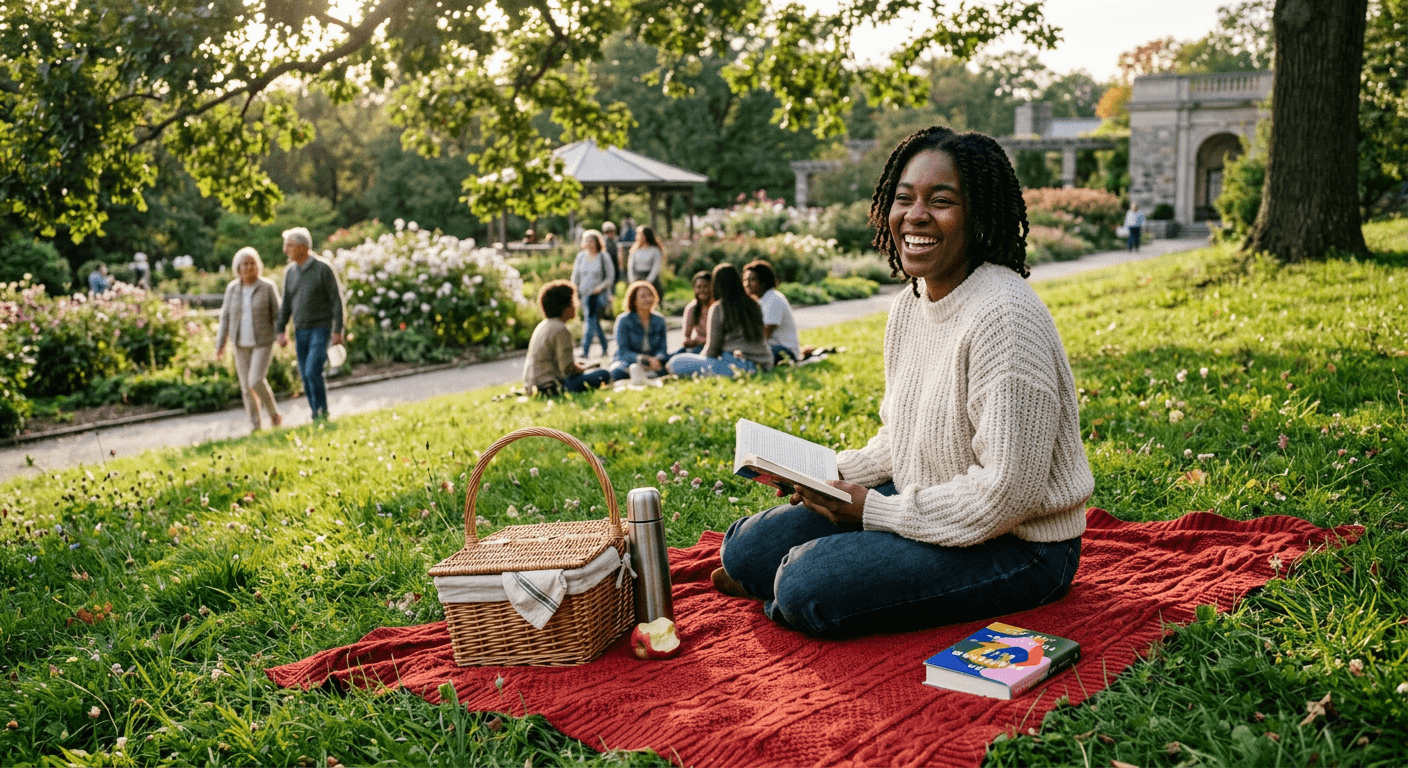
A cozy corner isn’t a hideaway; it’s a curated environment that signals to your brain that you are worth investing in. Start with sensory anchors — soft lighting, a favorite scent, a tactile blanket — then layer in purpose‑driven elements: a stack of books you’ve been meaning to read, a sketchpad for visual thinking, or a small herb garden that demands daily care. Research on environmental psychology shows that personalized spaces increase perceived autonomy and reduce stress hormones. Make the corner a non‑negotiable appointment on your calendar; the consistency trains your nervous system to associate solitude with replenishment rather than loneliness.
Redefining Tradition: The “Friendsgiving” Blueprint
Couple‑centric holidays can amplify the feeling of being “left out,” but they also offer a ready‑made template for community building. Design a Friendsgiving that centers platonic intimacy: assign each guest a “gratitude story” to share, create a collaborative playlist that maps the year’s highs and lows, and end with a group intention‑setting circle for the coming months. A 2021 Journal of Social and Personal Relationships article demonstrated that rituals emphasizing mutual vulnerability boost relational satisfaction more than traditional gift‑giving. By owning the narrative, you transform a potential trigger into a proof point that your social ecosystem is rich, diverse, and entirely yours.
Solo Adventures as Skill‑Building Expeditions
Exploring a fall festival, hiking a new trail, or attending a workshop alone forces you to navigate novelty without a safety net — an accelerated course in self‑reliance. Choose activities that stretch a specific muscle: a pottery class for tactile patience, a photography walk for observational acuity, a cooking demo for improvisational planning. After each outing, debrief with three questions: What surprised me? Where did I feel competent? What would I tweak next time? This reflective loop, borrowed from experiential learning theory, converts a single afternoon into a data point for future confidence.
The “Single‑Serve” Mindset: Intentionality Over Default
Living solo often defaults to convenience — takeout, scrolling, late‑night TV. The single‑serve mindset flips that script: every meal, evening, and weekend becomes a deliberate choice. Meal‑prep a seasonal vegetable stew on Sunday, not because you have to, but because the act of chopping, simmering, and portioning is a meditation on nourishment. Schedule a “digital sunset” at 9 p.m. and replace screen time with a 20‑minute language app session or a handwritten letter to a friend. Small, repeated acts of agency compound into a narrative of competence that research links to higher self‑esteem and lower attachment anxiety.
Cultivating a Personal Learning Curriculum
Treat the season as a semester you design yourself. Identify three domains you want to deepen — emotional intelligence, financial literacy, creative expression — and pick one micro‑course per domain (e.g., a 6‑week podcast series on attachment styles, a free budgeting spreadsheet template, a weekly poetry prompt). Block 90‑minute “study halls” on your calendar, protect them like work meetings, and track progress in a visible habit tracker. The adult learning principle of self‑directed learning shows that autonomy over content and pacing dramatically increases retention and intrinsic motivation.
Leveraging Solo Time for Relationship Readiness
Contrary to the myth that you must be “complete” before love arrives, psychology suggests that a strong solo foundation creates capacity for interdependence rather than dependence. Dr. Sue Johnson’s Emotionally Focused Therapy framework emphasizes that secure attachment stems from an internal sense of safety — something you cultivate alone. Practice “emotional check‑ins” each morning: name the feeling, locate it in the body, and note a need. Over weeks, this builds a vocabulary you can later share with a partner, turning potential conflict into collaborative repair.
Navigating the “Cuffing Pressure” Without Compromise
Social media, family texts, and targeted ads all scream “find someone before the holidays.” Recognize the pressure as external noise, not internal truth. Create a “pressure filter” list: write down every external cue that makes you question your solo status, then counter each with a personal value statement (“I value depth over timing,” “I choose alignment over availability”). When a dating app notification spikes anxiety, pause, read your list, and decide whether engagement serves your curriculum or merely quiets the noise. This cognitive reframing, rooted in Acceptance and Commitment Therapy, reduces impulsive swiping and protects your autumn investments.
Measuring Growth: The Quarterly Solo Review
At the end of October, November, and December, conduct a structured review. Use a simple spreadsheet with columns for Domain, Goal, Evidence of Progress, Obstacle, Adjustment. Celebrate wins — a completed 5 km run, a finished memoir chapter, a new friend made at a workshop — and diagnose setbacks without shame. The review mirrors corporate OKR cycles but applies them to personal flourishing. Data from the Harvard Study of Adult Development shows that regular self‑assessment correlates with long‑term well‑being and relationship satisfaction.
Closing the Season with a Ritual of Integration
As the last leaves fall, design a closing ritual that honors the work you’ve done. Light a candle for each domain you nurtured, speak aloud the lessons learned, and write a “future‑self letter” dated next autumn describing the woman you’re becoming. Seal it and set a reminder to open it in twelve months. Rituals of closure, according to anthropological research, convert amorphous growth into narrative identity, making the gains durable and the next chapter intentional. You’ll enter winter not as someone waiting for a partner, but as a architect of a life that already feels whole — ready to invite someone in, not because you need them, but because you choose them.
Questions about Single Life
Is being single bad for your health?
Older studies claiming a partnership benefit largely failed to separate marriage from social connection and income. More recent work finds the health signal is social support and financial stability, both of which single people can and do have.
How do I deal with pressure from family about being single?
Short, warm, repeated answers work better than justifications. A brief line delivered the same way each time removes the reward of a reaction, and explaining yourself in detail invites negotiation about a decision that is not up for negotiation.
How do you know if you are single by choice?
Ask whether you are declining specific people for specific reasons, or declining everyone in advance. Choice looks like turning down a real option; avoidance looks like never having one.
Keep reading
- Guide: Rebuilding Self-Worth: How to Stop Settling and Start Choosing
- Guide: The Intentional Dating Guide: How to Date with Purpose, Not Just Hope

Single Life
Financial Freedom for Single Women: Building Your Independent Future
Financial stability is a cornerstone of an empowered single life. This article outlines key strategies for single women to manage finances, build wealth, and secure their…
Summary of The New York Times · 11 min read

Single Life
Understanding Your Attachment Style as a Single Woman
Your attachment style profoundly influences how you experience singlehood and dating. This article explores the different attachment styles and offers insights for navigating…
Summary of Attachment Project · 8 min read

Single Life
Dating While Single: How to Navigate the Modern Landscape Without Losing Yourself
Re-entering the dating scene as a single woman can be daunting. This article provides practical strategies for maintaining your identity, setting healthy boundaries, and…
Summary of Glamour · 15 min read
Comments
No comments yet.