Single Life · 9 min read
Embracing Your 'Solo Season': How to Thrive as a Single Woman in Summer 2021
The summer of 2021 presented a unique opportunity to redefine singlehood, moving beyond the expectation of pairing up. This article explores how to actively embrace and enjoy your independent life, focusing on personal growth and fulfillment.
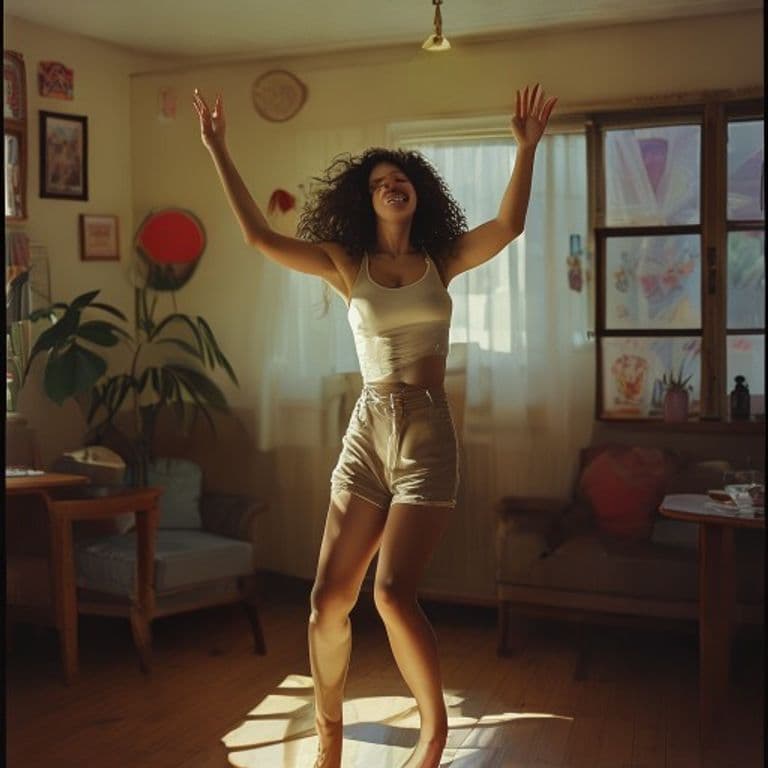
Chloe Davies · July 20, 2021
Our take
The summer of 2021 wasn’t just a season of sunshine and reopened patios—it was a cultural reset button for countless women who found themselves questioning the script that equates happiness with coupling. As lockdowns lifted, many chose to press pause on the dating merry‑go‑round and instead invest in a deliberate “solo season,” a period of intentional self‑discovery that refuses to treat singlehood as a waiting room. This shift matters because it rewires the narrative: fulfillment isn’t a byproduct of a partner but a practice we cultivate daily, and mastering that practice builds the confidence and wholeness that make any future relationship healthier, happier, and truly chosen rather than feared. Embracing a solo season isn’t anti‑love; it’s pro‑you, and that’s the foundation Next Boyfriend believes every modern woman deserves to stand on.
Key takeaways
- The pandemic forced a collective pause that stripped away the usual distractions—commutes, office happy hours, endless social calendars—leaving many women face‑to‑face with the question of what truly makes them feel ali…
- Research in positive psychology shows that periods of intentional solitude can boost self‑awareness, resilience, and emotional regulation when they are chosen rather than imposed.
- When the pressure to couple up eases, the mental space that opens up can be filled with pursuits that spark joy and a sense of mastery.
- While romantic love often dominates cultural scripts, friendships offer a deep, enduring source of affection, support, and joy that can sustain us through life’s ups and downs.
Redefining Singlehood in a Post‑Pandemic World
The pandemic forced a collective pause that stripped away the usual distractions—commutes, office happy hours, endless social calendars—leaving many women face‑to‑face with the question of what truly makes them feel alive. In that quiet, a growing chorus began to whisper that being single didn’t have to mean being lonely or incomplete; it could be a fertile ground for growth, creativity, and self‑authority. Chloe Davies’ Vogue piece captured this zeitgeist, noting how the summer of 2021 offered a rare chance to step off the relationship treadmill and design a life defined by personal values rather than societal timelines. This reframing is powerful because it treats singlehood as a legitimate life phase, not a gap to be filled, allowing women to claim agency over their happiness without apology.
The Psychology of Embracing a Solo Season
Research in positive psychology shows that periods of intentional solitude can boost self‑awareness, resilience, and emotional regulation when they are chosen rather than imposed. A 2020 study published in the Journal of Personality and Social Psychology found that individuals who engaged in “self‑focused activities” during alone time reported higher levels of life satisfaction and lower anxiety than those who simply endured loneliness. By treating a solo season as a proactive project—setting goals, tracking progress, and celebrating milestones—women can harness the brain’s plasticity to rewire old beliefs about worth being tied to romantic validation. The key is mindset: viewing solitude as a resource, not a void, transforms the experience from something to endure into something to savor.
Building a Life Rich in Passions and Hobbies
When the pressure to couple up eases, the mental space that opens up can be filled with pursuits that spark joy and a sense of mastery. Whether it’s dusting off a guitar, learning to code, joining a community garden, or finally writing that novel, hobbies provide tangible evidence of competence and progress. Davies suggests prioritizing activities that bring “a sense of accomplishment,” and this is backed by research: mastery experiences are one of the strongest predictors of self‑efficacy. Try a “passion audit”—list everything you’ve ever been curious about, rank them by excitement, and commit to trying one new thing each week. The ripple effect is profound: confidence gained in a hobby often spills over into career decisions, social interactions, and the way you handle setbacks.
Friendship as the New Love Language
While romantic love often dominates cultural scripts, friendships offer a deep, enduring source of affection, support, and joy that can sustain us through life’s ups and downs. Investing in friendships during a solo season means moving beyond occasional catch‑ups to intentional rituals: monthly brunch clubs, shared fitness challenges, or collaborative creative projects. These bonds act as emotional safety nets, reducing the perceived need to seek validation from a partner. Moreover, studies show that strong social ties correlate with lower stress hormones and increased longevity. By nurturing your chosen family, you create a network that celebrates your successes, holds you accountable during slumps, and reminds you that love comes in many forms—none of which require a ring.
Solo Travel: Claiming Independence on the Road
Traveling alone can feel intimidating at first, but it’s also one of the most potent ways to test self‑reliance and expand your worldview. Navigating a new city, deciphering a foreign menu, or deciding on a whim to change your itinerary forces you to trust your intuition and problem‑solving skills. Davies highlights solo travel as “empowering,” and indeed, a 2019 survey by the U.S. Travel Association found that 72% of women who traveled solo reported increased confidence in their decision‑making abilities. Start small—a weekend road trip to a nearby town, a day hike in a state park—then gradually stretch your comfort zone. Each journey becomes a story of courage, a reminder that you are capable of charting your own course, both literally and metaphorically.
Self‑Care as Radical Act: Mind, Body, Soul
Self‑care often gets reduced to bubble baths and face masks, but a true solo season invites a deeper, more holistic approach: nourishing the body with movement and wholesome food, calming the mind through meditation or therapy, and tending to the soul with creativity and spiritual exploration. The concept of “radical self‑care” posits that attending to your own needs isn’t selfish; it’s a prerequisite for showing up fully in any relationship or community. Consider building a weekly self‑care menu: three workouts you enjoy, two mindfulness sessions, one creative outlet, and a therapy or coaching check‑in if accessible. Tracking how these practices affect your mood and energy turns self‑care from a vague intention into a measurable practice that fuels resilience.
Financial Independence and Solo Living
A solo season is also an ideal time to scrutinize and strengthen your financial foundation. Without the shared expenses (or occasional financial entanglements) that come with a partnership, you have a clearer view of your income, spending habits, and savings goals. Use this period to create a robust emergency fund, pay down high‑interest debt, or start investing in a retirement account. Financial literacy boosts confidence and reduces anxiety, which in turn frees mental bandwidth for pursuits that matter. Davies’ emphasis on investing in oneself extends to monetary investments: treating your money as a tool for freedom rather than a source of stress empowers you to make choices aligned with your long‑term vision, whether that’s buying a home, launching a side hustle, or traveling the world.
Navigating Social Pressure and the “Couple” Narrative
Even with the best intentions, external messages—family inquiries, coupled‑centric advertising, social media highlight reels—can creep in and sow doubt. Developing a personal “boundary toolkit” helps you deflect or reframe these pressures without internalizing them. Practice polite but firm responses (“I’m enjoying focusing on my goals right now”), curate your feed to include more solo‑travelers, entrepreneurs, and creatives, and remind yourself regularly of the reasons you chose this season. Journaling about moments when you felt pressured and how you responded builds awareness and reinforces your commitment. Over time, the external noise loses its power as your internal compass grows stronger.
From Solo Season to Future Partnerships: Bringing Wholeness Forward
The ultimate gift of a well‑lived solo season isn’t just the present joy it creates; it’s the foundation it lays for any future relationship. Entering a partnership from a place of self‑knowledge, emotional regulation, and fulfilled passions means you’re less likely to seek completion in another person and more likely to share your already‑whole self. This dynamic fosters healthier communication, clearer boundaries, and a relationship built on mutual enrichment rather than dependency. Think of your solo season as a “relationship apprenticeship”: you’re learning how to love yourself deeply, which is the prerequisite for loving another well. When the time comes to date again, you’ll do so from confidence, not scarcity.
Real‑Life Stories: Women Who Thrived Solo Summer 2021
Consider Maya, a 29‑year‑old marketing manager who used her solo summer to complete a certification in digital analytics, freelance on the side, and hike the Pacific Northwest’s Cascades. She reports feeling “more decisive at work and less anxious about the future.” Then there’s Aisha, 34, who rekindled her love for pottery, joined a women’s maker collective, and hosted a virtual art show that connected her with creators across three continents. These vignettes echo Davies’ point that fulfillment isn’t abstract—it shows up in concrete achievements, new friendships, and a renewed sense of self‑trust. Each story underscores that a solo season is not a hiatus from life but a vibrant chapter in its own right.
Tools and Resources for Your Solo Journey
To translate intention into action, equip yourself with practical aids: a habit‑tracking app (like Habitica or Streaks) to monitor hobby progress, a budgeting tool (YNAB or Mint) for financial clarity, a guided meditation platform (Insight Timer or Headspace) for mental calm, and a community‑building site (Meetup or Bumble BFF) to find like‑minded friends. Books such as The Solo Life by Zoe Williams and Untamed by Glennon Doyle offer both inspiration and frameworks for designing a life on your own terms. Pair these resources with regular reflection—weekly check‑ins where you ask, “What energized me this week? What drained me?”—to keep your solo season aligned with your evolving desires.
Conclusion: Your Solo Season Is a Launchpad, Not a Dead End
Embracing a solo season is an act of radical self‑respect: you’re declaring that your happiness is not contingent on someone else’s arrival, but on the daily choices you make to nurture your mind, body, and spirit. The summer of 2021 offered a poignant reminder that when we step off the societal script, we uncover reservoirs of strength, creativity, and joy that were waiting to be tapped. Whether you’re currently in a solo season, reflecting on one past, or planning one ahead, know that this time is not a void to be feared but a fertile ground from which a more authentic, empowered you can emerge. Carry the lessons forward, and let every future step—whether taken alone or alongside a partner—be rooted in the wholeness you’ve already cultivated.
Questions about Single Life
Is being single bad for your health?
Older studies claiming a partnership benefit largely failed to separate marriage from social connection and income. More recent work finds the health signal is social support and financial stability, both of which single people can and do have.
How do I deal with pressure from family about being single?
Short, warm, repeated answers work better than justifications. A brief line delivered the same way each time removes the reward of a reaction, and explaining yourself in detail invites negotiation about a decision that is not up for negotiation.
How do you know if you are single by choice?
Ask whether you are declining specific people for specific reasons, or declining everyone in advance. Choice looks like turning down a real option; avoidance looks like never having one.
Keep reading
- Guide: Rebuilding Self-Worth: How to Stop Settling and Start Choosing
- Guide: The Intentional Dating Guide: How to Date with Purpose, Not Just Hope

Single Life
Financial Freedom for Single Women: Building Your Independent Future
Financial stability is a cornerstone of an empowered single life. This article outlines key strategies for single women to manage finances, build wealth, and secure their…
Summary of The New York Times · 11 min read

Single Life
Understanding Your Attachment Style as a Single Woman
Your attachment style profoundly influences how you experience singlehood and dating. This article explores the different attachment styles and offers insights for navigating…
Summary of Attachment Project · 8 min read

Single Life
Dating While Single: How to Navigate the Modern Landscape Without Losing Yourself
Re-entering the dating scene as a single woman can be daunting. This article provides practical strategies for maintaining your identity, setting healthy boundaries, and…
Summary of Glamour · 15 min read
Comments
No comments yet.