Success Stories · 8 min read
From Friendship Zone to End Zone: A Glamour Story of Unexpected Love
Read about a woman who finally saw her best friend in a new light, transforming their platonic bond into a passionate romance. This story delves into the magic of falling for your closest confidante.
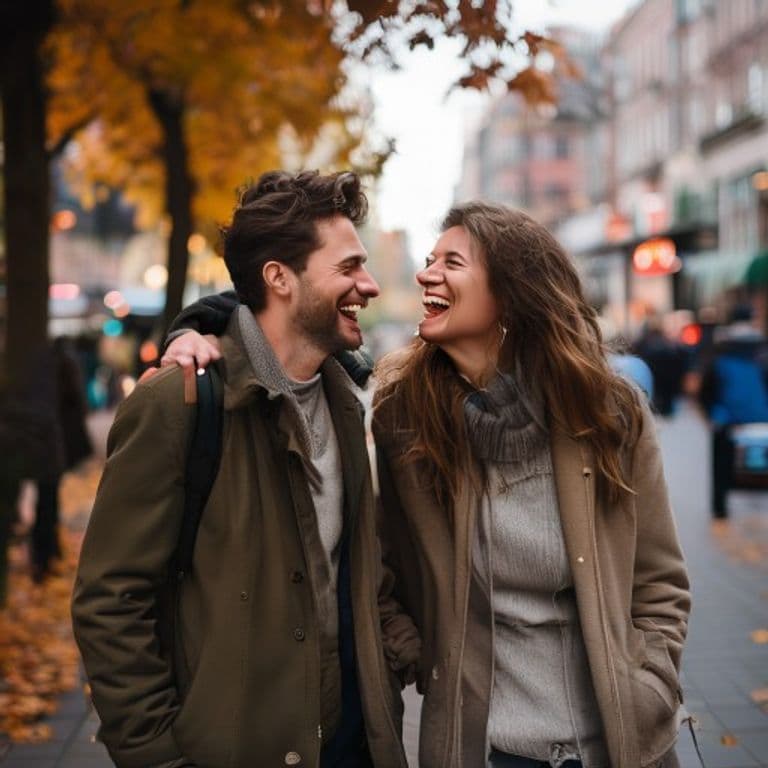
Jessica Radloff · March 12, 2026
Our take
We’ve all been there: staring at a text from a "just a friend" and wondering if there’s a hidden spark beneath the surface. While the "friend zone" is often painted as a romantic purgatory, we believe it might actually be the most underrated launchpad for a life-long partnership. This story reminds us that the safest place to fall in love is often with someone who already knows your coffee order, your darkest fears, and your most embarrassing stories. It’s time to stop viewing friendship and romance as two separate lanes and start seeing them as the ultimate foundation for a lasting connection.
Key takeaways
- For years, pop culture has treated the "friend zone" like a prison sentence—a place where your romantic hopes go to die.
- So, what actually happens when a friendship turns into a romance?
- The reason these transitions work so well is rooted in emotional safety.
- Of course, moving from friendship to romance is not without its terrors.
The Myth of the "Friend Zone"
For years, pop culture has treated the "friend zone" like a prison sentence—a place where your romantic hopes go to die. We see it in every rom-com: the lovable sidekick who piningly watches the protagonist fall for the "wrong" person. But as we look closer at the evolving landscape of modern dating, we’re starting to realize that the "friend zone" is often just a misunderstanding of timing and readiness.
Take the story of Chloe and Sam, a beautiful example originally highlighted by Jessica Radloff in a piece for Glamour. For years, they were the quintessential "just friends." They were inseparable, the kind of duo that everyone in their social circle assumed was destined for a wedding invitation, yet they both stubbornly clung to the platonic label. They weren't stuck; they were building.
The problem is that our society teaches us to look for "the spark"—that sudden, electric, often volatile jolt of chemistry—as the only indicator of romantic potential. We are taught to prioritize the chase, the mystery, and the unknown. In doing so, we often overlook the slow-burn connection that offers something far more valuable: stability, shared values, and a proven track record of reliability.
The Alchemy of the Shift
So, what actually happens when a friendship turns into a romance? In Chloe and Sam’s case, it wasn't a lightning bolt; it was a shift in perspective. It was a series of quiet, pivotal moments—perhaps a shared vulnerability during a difficult career transition, or a moment of profound support during a family crisis—that acted as a catalyst.
Psychologists often refer to this as "reciprocal liking" combined with "perceived similarity." When we see a friend show up for us in a way that meets our deepest emotional needs, our brain begins to re-categorize them. They move from the "safe/platonic" category to the "intimate/romantic" category. This shift is often triggered by seeing a person in a new light—noticing the way they handle stress, the way they look at you when you aren't looking, or the sudden realization that the person who knows you best is also the person you want to hold closest.
The Anatomy of Emotional Safety
The reason these transitions work so well is rooted in emotional safety. In the early stages of dating a stranger, a massive amount of cognitive energy is spent on "impression management." You are performing. You are filtering your thoughts, hiding your flaws, and trying to present the most polished version of yourself.
With a best friend, the mask is already off. You have already navigated the "ugly" phases of life together. You’ve seen each other sick, stressed, and unsuccessful. When you transition from friendship to romance, you skip the exhausting stage of building trust from scratch. You are entering a relationship where the foundation of trust is already deep-set in concrete. This allows the romantic elements—the passion, the intimacy, the romance—to flourish without the constant anxiety of "Do they actually like the real me?"
Navigating the "Risk vs. Reward" Paradox
Of course, moving from friendship to romance is not without its terrors. This is the part of the story that many people skip over in favor of the happy ending: the paralyzing fear of losing the friendship entirely.
When you date a stranger and it fails, you lose a partner. When you date a best friend and it fails, you risk losing your primary support system, your confidante, and your social equilibrium. This is the "Risk vs. Reward" paradox. For Chloe and Sam, the transition involved honest, often uncomfortable conversations. They had to address the elephant in the room: What if this ruins everything?
If you find yourself standing on this precipice, it is vital to have the "State of the Union" talk. This isn't a grand confession of undying love, but rather a vulnerable inquiry into possibility. It sounds like: "I've been feeling a shift in how I view our connection, and I wanted to check in with you to see if you've felt anything similar. I value our friendship above all else, but I also don't want to ignore what I'm feeling."
Recognizing the Signs: Is It a Crush or a Connection?
How do you know if you are truly ready to cross the line, or if you are just experiencing a temporary surge of loneliness? It can be hard to distinguish between a passing whim and a genuine romantic evolution. Here are a few indicators that your friendship might be ready for an upgrade:
- The "Future Self" Test: When you imagine your life five or ten years from now, is this person naturally integrated into your vision, even in the absence of romance?
- Physical Awareness: Have you noticed a new, heightened awareness of their physical presence? Not just attraction, but a desire for closeness that feels different from a "hug between friends."
- Protective Instincts: Do you feel a unique sense of pride or protectiveness regarding their successes and well-being that feels more intense than typical platonic empathy?
- The Consistency Factor: Is this feeling persistent? A true romantic shift usually feels like a steady hum rather than a sudden, frantic spike.
The Importance of Pacing
One of the biggest mistakes people make when transitioning from friends to lovers is rushing. Because there is so much history, there is a temptation to skip the "dating" phase and jump straight into a domestic partnership.
Even though you know their favorite movies and their childhood traumas, you do not know what it is like to be their romantic partner. You don't know their romantic temperament, their needs for physical affection, or how they handle conflict within a relationship dynamic.
Treat the first few months as a "New Relationship Phase." Go on actual dates. Dress up. Create new memories that aren't tethered to your old friendship routines. This honors the new identity of the relationship and prevents the "roommate trap," where the romance is smothered by the sheer weight of your existing platonic habits.
Building on Solid Ground: The Long Game
The true magic of Chloe and Sam’s story, as noted in the Glamour piece, isn't just that they fell in love—it's that they stayed in love. Years later, they remain best friends. This is the "secret sauce" of successful long-term relationships.
When a romantic relationship is built on a friendship, you have a built-in mechanism for conflict resolution. You already know how to communicate with each other. You already have a shared language of inside jokes and shorthand. This shared history acts as a buffer during the inevitable storms of long-term commitment.
Research consistently shows that "companionate love"—the deep, enduring affection that grows over time—is the most significant predictor of relationship longevity. By starting with friendship, you aren't just starting with a partner; you are starting with a companion.
Actionable Steps for the "Maybe" Friend
If you are currently reading this and thinking of a specific person, here is your Next Boyfriend roadmap:
- Audit Your Feelings: Spend two weeks observing your emotions. Are you seeking them out more? Do you feel a pang of jealousy when they mention dating others? Be honest with yourself.
- Test the Waters with Micro-Intimacy: Increase the level of emotional or physical closeness slightly. A longer hug, a more meaningful compliment, or a deeper question about their inner life. Observe their response. Do they lean in, or do they pull back?
- Communicate with Grace: If you decide to speak up, frame it around your feelings rather than a demand for theirs. Use "I" statements. This lowers the pressure on them and preserves the dignity of the friendship regardless of the outcome.
- Prepare for All Outcomes: If they don't feel the same way, decide beforehand how you will handle it. Can you go back to being "just friends"? If the answer is no, you must be prepared to take space to heal.
Conclusion: The Greatest Love is Often Right in Front of You
We spend so much of our dating lives searching for the "perfect" person in crowded bars, through endless swipes on apps, and in the chaotic energy of meeting strangers. We are conditioned to believe that love must be a grand, sweeping discovery.
But Chloe and Sam’s journey teaches us a different truth. Sometimes, the most profound, soul-shaking, life-changing love isn't something you find—it's something you recognize. It is the person who has been holding your hand through the mundane, who has laughed at your worst jokes, and who has stood by you when the world felt heavy.
Don't be so afraid of the "friend zone" that you miss the chance to enter the "end zone." The best foundation for a great romance isn't mystery or drama—it's a friendship that has finally found its way home.
Questions about Success Stories
How do most couples meet now?
Online remains the largest single category, followed by mutual friends, work, and shared-interest settings. The most common thread in success stories is not the venue but that both people were clear about what they wanted.
How long does it usually take to find a serious relationship?
Highly variable and poorly served by averages. What recurs in accounts of successful outcomes is a period of deliberate change beforehand, not a particular length of searching.
What do successful relationships have in common at the start?
Stated intent, consistency between words and actions, and an early low-stakes conflict that got resolved rather than avoided.
Keep reading
- Guide: The Intentional Dating Guide: How to Date with Purpose, Not Just Hope
- Guide: Rebuilding Self-Worth: How to Stop Settling and Start Choosing

Success Stories
The Most Effective Couples Therapy, by Far | Psychology Today
Ninety percent (90%) of couples who go through EFT significantly improve their relationship and 70-75% of couples no longer fit criteria for relationship ...
Summary of Psychologytoday · 9 min read

Success Stories
Why Choose Gottman Therapy?
Why Choose Gottman Therapy? Ask Gottman Cancel reply Vagdevi Meunier, Psy.D. is a licensed clinical psychologist and Founder of The Center for Relationships ( [ ) in Austin, TX…
Summary of Gottman · 10 min read

Success Stories
The Transition to Parenthood: Relationship Tips for New Parents
Strengthen your bond during the transition to parenthood with our research-based relationship tips for new and expecting parents.
Summary of Gottman · 12 min read
Comments
No comments yet.