Dating Apps & Technology · 5 min read
Ghosting & Breadcrumbing: Navigating the Dark Side of Digital Dating in April 2023
The digital dating landscape comes with its own set of challenges. Understand and cope with frustrating behaviors like ghosting and breadcrumbing to protect your emotional well-being.
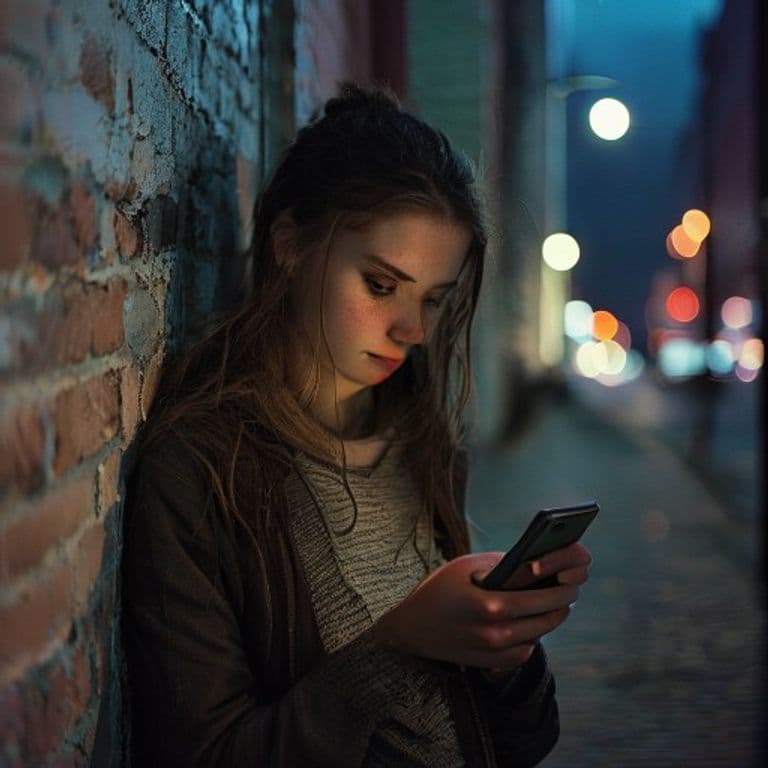
Dr. Ramani Durvasula (Adapted) · April 27, 2023
Our take
Ghosting and breadcrumbing aren’t just annoying quirks of swipe‑culture; they’re emotional landmines that can erode confidence, distort self‑worth, and keep women stuck in cycles of hope and disappointment. Understanding why these behaviors happen — and how to protect your energy — turns a painful experience into a powerful lesson about boundaries, self‑respect, and the kind of love you truly deserve. This article gives you the psychology, the practical tools, and the real‑world examples you need to navigate digital dating with clarity and courage.
Key takeaways
- In the past five years, dating apps have transformed from niche novelties into mainstream social hubs, with over 300 million active users worldwide as of 2023.
- Ghosting is rarely a calculated act of cruelty; it is most often a coping mechanism rooted in the ghoster’s own discomfort with confrontation.
- Breadcrumbing operates on a different psychological frequency: it is the deliberate dispensation of just enough attention to keep someone hooked while avoiding any real commitment.
- Repeated exposure to ghosting and breadcrumbing can culminate in dating app burnout, a state characterized by emotional exhaustion, cynicism toward dating, and a diminished sense of self‑efficacy.
## The Rise of Ghosting and Breadcrumbing in the Digital Age
In the past five years, dating apps have transformed from niche novelties into mainstream social hubs, with over 300 million active users worldwide as of 2023. This explosion of choice has paradoxically made interpersonal connections feel more disposable; when a profile is just a tap away, the perceived cost of walking away drops dramatically. Researchers at the University of Michigan found that 65 % of respondents had experienced ghosting at least once, while 48 % reported being breadcrumbed — statistics that underscore how pervasive these behaviors have become. The anonymity and low‑stakes environment of apps encourage a “next‑best‑thing” mindset, where users treat conversations as commodities rather than human exchanges. Consequently, many women find themselves investing emotional labor into interactions that never evolve into genuine intimacy, leaving them questioning their own worth. Recognizing the structural forces at play — algorithmic reinforcement of endless scrolling, gamified matching, and the illusion of unlimited options — helps depersonalize the hurt and shift focus from self‑blame to strategic self‑care.
## Why Ghosting Happens: Fear, Avoidance, and Emotional Immaturity
Ghosting is rarely a calculated act of cruelty; it is most often a coping mechanism rooted in the ghoster’s own discomfort with confrontation. A 2022 study published in Journal of Social and Personal Relationships linked ghosting to high scores on avoidance attachment styles, indicating that individuals who fear intimacy or conflict are more likely to disappear rather than engage in difficult conversations. When faced with the prospect of explaining a lack of interest, many ghosters experience anxiety, guilt, or shame, and choose the path of least emotional resistance — silence. This avoidance is not a reflection of the recipient’s desirability but rather an indicator of the ghoster’s limited emotional toolkit. Understanding this dynamic can alleviate the sting: you are not being rejected because you are “not enough”; you are being avoided because the other person lacks the maturity to handle vulnerability. Reframing ghosting as a symptom of the other person’s internal struggles empowers you to protect your peace without internalizing the rejection.
## Breadcrumbing Decoded: The Subtle Manipulation of Hope
Breadcrumbing operates on a different psychological frequency: it is the deliberate dispensation of just enough attention to keep someone hooked while avoiding any real commitment. Think of the occasional “hey, how’s your day?” text, a stray like on an old photo, or a vague promise like “we should catch up soon” that never materializes. These micro‑interactions trigger dopamine spikes, creating a false sense of progress and keeping the recipient in a state of hopeful anticipation. A 2021 longitudinal study from the University of Texas showed that individuals subjected to breadcrumbing reported higher levels of anxiety and lower self‑esteem over time, akin to the effects of intermittent reinforcement in gambling. The breadcrumber benefits by maintaining a backup option or feeding their ego without investing genuine effort, while the recipient expends emotional energy deciphering mixed signals. Recognizing the pattern — sporadic contact, lack of concrete plans, and conversations that never deepen — allows you to disengage before hope turns into hurt.
## The Toll on Mental Health: Dating App Fatigue and Burnout
Repeated exposure to ghosting and breadcrumbing can culminate in dating app burnout, a state characterized by emotional exhaustion, cynicism toward dating, and a diminished sense of self‑efficacy. Symptoms include dreading the swipe, feeling drained after conversations, and questioning whether meaningful connection is even possible. The American Psychological Association notes that chronic stress from ambiguous social interactions can elevate cortisol levels, impair sleep, and exacerbate depressive symptoms. To counteract this, experts recommend intentional boundaries: setting a daily time limit (e.g., 20 minutes) for app use, scheduling “offline days” where you engage in hobbies or social activities unrelated to dating, and curating your feed to follow accounts that promote self‑love rather than comparison. Incorporating mindfulness practices — such as a brief breathing exercise before opening the app — can help you enter the digital space from a grounded state rather than a reactive one. By treating app usage as a conscious choice rather than a compulsive habit, you reclaim agency over your emotional landscape.
## Reclaiming Your Agency: Turning Pain into Power
Healing from ghosting or breadcrumbing begins with refusing to internalize the experience as a personal flaw. Instead, treat each encounter as data: what red flags were present? Did the person avoid discussing future plans, consistently respond with vague answers, or show a pattern of hot‑and‑cold behavior? Journaling these observations sharpens your intuition and equips you with a clearer set of non‑negotiables for future partners. Relationship coach Logan Ury suggests creating a “deal‑breaker list” that includes items like consistent communication, respect for boundaries, and demonstrated emotional availability — qualities that are observable early on if you know what to look for. Armed with this list, you can exit interactions that fall short before investing deeper emotional capital. Finally, celebrate the courage it takes to show up authentically in a world that often rewards superficiality; each time you choose self‑respect over settling, you reinforce the belief that you deserve a partner who meets you with honesty, effort, and genuine enthusiasm. The journey toward fulfilling love is not about avoiding pain altogether but about transforming those moments into stepping stones toward a healthier, more empowered dating life.
Questions about Dating Apps & Technology
Which dating app is best?
It depends entirely on your goal. Apps skew differently by intent, age, and region — some toward serious relationships, some toward volume and casual meeting. Match the app to your goal rather than joining whichever is largest, and read platform-specific reviews before investing time.
How do dating app algorithms work?
Most rank profiles using a desirability score derived from how people who have swiped on you behave, then show you profiles with similar scores. Activity matters too: recent, frequent, selective users generally get more visibility than dormant accounts that like everyone.
Why do I get so few matches?
Usually photos and specificity, in that order. Clear, well-lit, face-forward lead photos outperform group shots and filtered images, and profiles with concrete detail give people something to respond to. Swiping selectively rather than mass-liking also improves how the algorithm ranks you.
Keep reading
- Guide: The Intentional Dating Guide: How to Date with Purpose, Not Just Hope
- Guide: Rebuilding Self-Worth: How to Stop Settling and Start Choosing

Dating Apps & Technology
Is Romance That Begins Online Less Fulfilling?
Is Romance That Begins Online Less Fulfilling? How to strengthen a relationship regardless of how it began. - The Science of Mating Too Many Choices One of the most well-known…
Summary of Psychologytoday · 8 min read

Dating Apps & Technology
Dating App Statistics (2026): Market Growth, User Behavior, and AI Trends
Dating App Statistics (2026): Market Growth, User Behavior, and AI Trends 10 min read Frank L. TLDR; With global revenue for dating apps projected to reach $3.24 billion in 2026…
Summary of Getstream · 15 min read

Dating Apps & Technology
Principal Data & Analytics Strategist - Mayo Clinic Careers
Leveraging Enterprise Architecture to construct integration centricity, promote data liquidity, and provide innovation support. This transformation creates, ...
Summary of Jobs · 10 min read
Comments
No comments yet.