Red Flags & Boundaries · 11 min read
Love Bombing vs. Genuine Affection: How to Tell the Difference
The honeymoon phase of a relationship is exciting, but when intense declarations of love and affection feel overwhelming and premature, it could be a sign of love bombing, a manipulative tactic.
Dr. Helen Fisher · October 21, 2022
Our take
In the whirlwind of modern dating, it's easy to get swept away by intense, passionate beginnings. We're often conditioned to believe that love at first sight, or an instant, overwhelming connection, is the ultimate romance. But sometimes, what feels like an epic love story is actually a carefully crafted illusion designed to hook you fast and hard. Understanding the subtle yet significant difference between genuine affection and manipulative love bombing isn't just smart, it's essential for protecting your heart and building the truly healthy, lasting relationships you deserve.
Key takeaways
- The initial sparks of a new relationship are undeniably thrilling.
- Love bombing is characterized by an overwhelming, excessive, and premature display of affection, attention, gifts, and flattery, typically occurring very early in a relationship.
- It's easy to judge those who fall victim to love bombing, but the truth is, it taps into deeply human needs and desires.
- In contrast to the rapid-fire intensity of love bombing, genuine affection develops organically and naturally over time.
The Irresistible Pull of Early Romance (and Its Dark Side)
The initial sparks of a new relationship are undeniably thrilling. The "honeymoon phase" is a period of intense joy, discovery, and budding intimacy, where mutual attraction and infatuation create a powerful sense of connection. We share secrets, dream together, and feel an intoxicating rush of being truly seen and desired. This natural escalation of affection, however, has a dangerous doppelganger: love bombing. While it mimics the outward signs of passionate affection, love bombing is a calculated, manipulative tactic designed to quickly gain control over another person, often leaving them confused and deeply hurt.
What Exactly Is Love Bombing? Unpacking the Manipulation
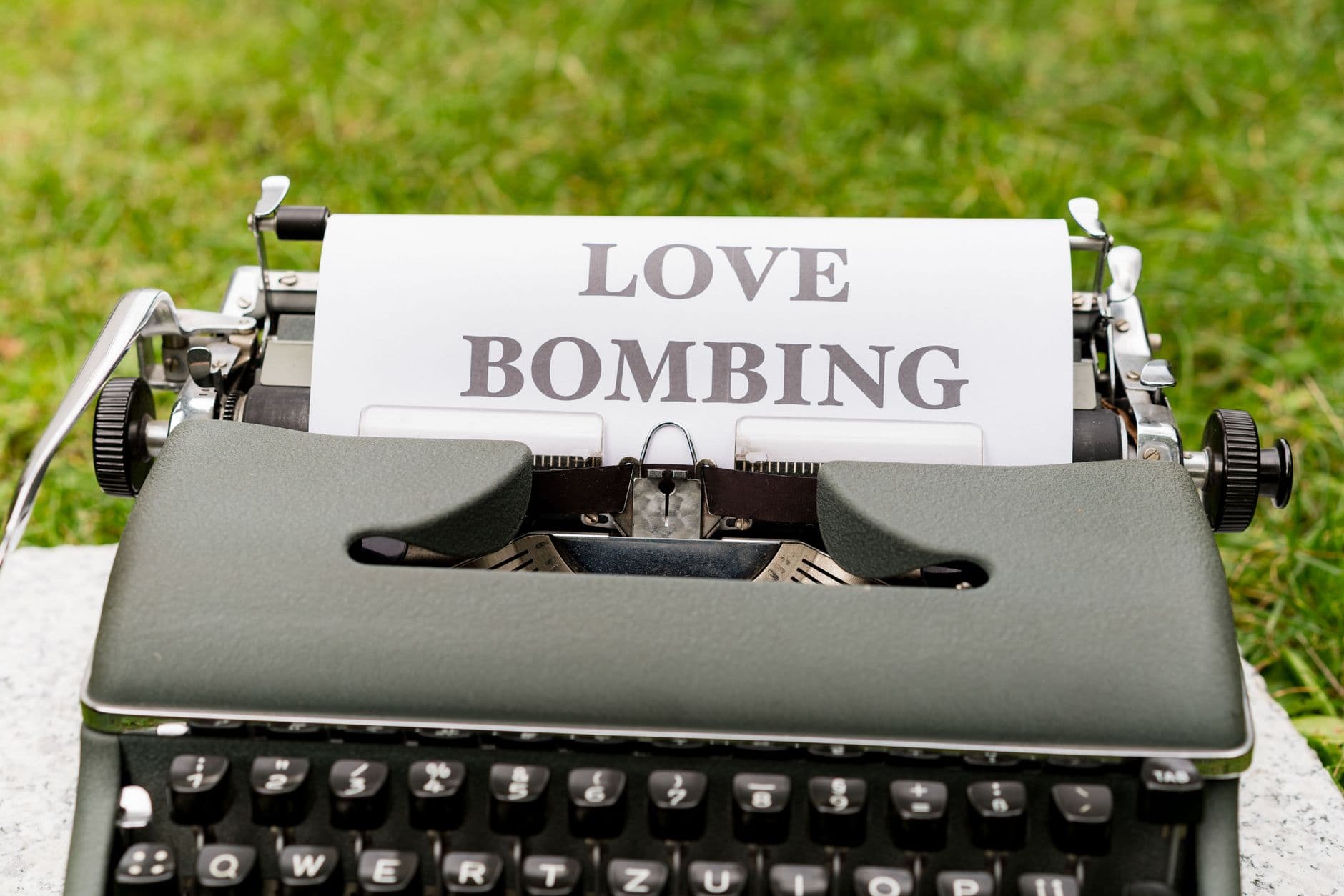
Love bombing is characterized by an overwhelming, excessive, and premature display of affection, attention, gifts, and flattery, typically occurring very early in a relationship. Imagine someone telling you they've never met anyone like you, showering you with compliments about your uniqueness, buying expensive gifts, or declaring their undying love within weeks (or even days) of meeting. While this can feel incredibly flattering and validating on the surface, its underlying purpose is to quickly hook and influence a person, creating a powerful sense of obligation, dependence, and emotional entanglement before true intimacy or understanding has had a chance to develop. It's a psychological strategy employed by individuals, often those with narcissistic or manipulative tendencies, to bypass the natural relationship progression and establish a deep, often unhealthy, bond.
Why We Fall for the Trap: The Psychology Behind Love Bombing's Success
It's easy to judge those who fall victim to love bombing, but the truth is, it taps into deeply human needs and desires. We all crave connection, validation, and to feel special. Love bombers are masters at identifying these vulnerabilities and exploiting them. They create an illusion of the "perfect partner" – someone who understands you completely, caters to your every whim, and makes you feel like the center of their universe. For individuals with low self-esteem, a history of difficult relationships, or those simply yearning for love, this intense validation can be incredibly intoxicating and difficult to resist. The sheer volume of positive attention can overwhelm critical thinking, making it hard to see the red flags amidst the flurry of flattery and grand gestures.
The Measured Cadence of Genuine Affection: A True Connection Develops Over Time
In contrast to the rapid-fire intensity of love bombing, genuine affection develops organically and naturally over time. True love is a journey, not a sprint. It's built on shared experiences, mutual respect, open communication, and the gradual unveiling of each other's authentic selves, flaws and all. This slower pace allows for deeper understanding, trust, and intimacy to form. You learn about each other's values, quirks, and pasts, not just through curated displays but through everyday interactions, challenges, and support. As Dr. Helen Fisher, whose insights on distinguishing genuine affection from love bombing were featured in The Guardian, emphasizes, "Genuine affection develops over time, allowing for deeper understanding." It allows both partners to assess compatibility, address potential issues, and build a foundation that can withstand the inevitable bumps in the road.
Key Distinctions: Pace, Authenticity, and Control
The devil, as they say, is in the details – and in relationships, it's in the distinction between healthy love and manipulative tactics. Let's delve deeper into the crucial differences:
Pace: The Marathon vs. The Sprint
Genuine affection unfolds at a natural, comfortable pace. It allows for space, reflection, and growth. You might enjoy spending time together frequently, but there's no pressure to rush into major life decisions like moving in, making huge commitments, or spending every waking moment together. Love bombing, however, is a dizzying sprint. It's characterized by an immediate and overwhelming intensity, often before any true intimacy or understanding has been established. Think "I love you" declarations within days, discussions of future children after a couple of dates, or immediate pressure for exclusivity and cohabitation. This rapid acceleration leaves little room for you to process your feelings or observe their true character.
Authenticity: Natural Connection vs. Performative Display
Genuine affection feels natural, reciprocal, and congruent with a person's overall character. It's reflected in consistent actions, thoughtful gestures, and deep listening. It feels comfortable, not overwhelming. Love bombing, on the other hand, can feel performative, almost too perfect. The compliments might feel generic yet effusive, the gifts lavish but not necessarily tailored to your true interests. It's designed to secure commitment quickly, often feeling like an act rather than an extension of genuine feeling. A key indicator is whether their words align with their actions and if they truly listen to and respect your responses, or if they steamroll over your reservations with more flattery.
Control: Empowerment vs. Entanglement
This distinction is perhaps the most critical. Authentic love is about mutual empowerment. It respects your autonomy, encourages your personal growth, and celebrates your independence. A genuinely affectionate partner wants you to thrive in all aspects of your life. Love bombing, conversely, is ultimately about control. Love bombers may use excessive validation, grand gestures, and future faking (making elaborate plans for the future that never materialize) to make their target feel incredibly special, indebted, or reliant. Once they feel they have you hooked, the manipulation often shifts, and the excessive attention can turn into criticism, emotional withdrawal, or even abuse, leaving you feeling confused, isolated, and dependent on them for your sense of worth.
Deciphering the Red Flags: What to Watch For
Recognizing love bombing often means trusting your gut even when your head is being flooded with positive attention. Here are the concrete red flags to watch for, expanding on the insights shared by experts:
Overly Intense Declarations of Love Very Early On
While a strong connection is wonderful, proclamations of "soulmate," "never felt this way before," or "I love you" within days or weeks of meeting are significant red flags. True love takes time to build; these declarations are often attempts to rush emotional bonding and create a false sense of deep intimacy.
Constant Pressure for Commitment
Are they pushing for immediate exclusivity, moving in together, or even marriage after a ridiculously short period? This isn't romantic eagerness; it's a tactic to lock you down before you have a chance to see them for who they truly are. Healthy relationships progress organically, with both partners feeling comfortable and ready for each new stage.
Disregard for Your Boundaries in Their Pursuit of Closeness
A love bomber will often ignore or gently push past your stated boundaries. If you say you're busy or need alone time, they might bombard you with texts, show up unannounced, or guilt-trip you ("I just miss you so much!"). Their "love" feels suffocating, not respectful of your space and needs.
Isolation from Friends and Family
This is one of the most insidious red flags. Love bombers often subtly (or overtly) try to separate you from your support network. They might criticize your friends, suggest your family doesn't understand your "special" connection, or simply monopolize all your time, leaving you no opportunity to connect with others. The goal is to make them your sole source of validation and support, increasing your dependence on them.
Future Faking: Grand Promises Without Substance
Love bombers often paint an elaborate picture of your shared future – dream vacations, a perfect home, or even children – very early on. These grand visions are designed to create a powerful emotional bond and a sense of shared destiny. However, once they've secured your commitment, these promises often fade or are never acted upon, revealing them as empty manipulation.
"Too Good to Be True" Feeling Followed by Devaluation
If something feels too good to be true, it often is. The initial rush of love bombing is often followed by a dramatic shift once the love bomber feels secure in the relationship. The overwhelming affection can abruptly turn into criticism, control, or even emotional abuse. This devaluation phase is incredibly disorienting and painful, leaving the victim wondering what they did wrong.
Protecting Your Heart and Head: Actionable Strategies
Navigating intense new connections requires a strong sense of self-awareness and solid boundaries. Here’s how to protect yourself:
Trust Your Intuition
This is your most powerful tool. As Dr. Helen Fisher rightly points out, "Trust your intuition. If the intensity feels too much too soon, it's a valid concern." If a connection feels overwhelming, rushed, or just "off," listen to that quiet voice inside you. Your gut often picks up on subtle inconsistencies that your rational mind might overlook, especially when blinded by flattery. Don't dismiss unease; investigate it.
Slow Down the Pace
You are in control of your own relationship timeline. Do not let anyone rush you. If a partner is pushing for commitment or intense intimacy faster than you're comfortable, communicate your need to slow down. Observe if they respect your wishes or become insistent, frustrated, or try to guilt-trip you. A genuinely loving partner will respect your pace.
Set and Maintain Clear Boundaries
Boundaries are essential for healthy relationships. Communicate your needs and limits clearly. This could be about how much time you spend together, how often you communicate, or what topics you're comfortable discussing early on. For example, "I'm not ready to discuss moving in together yet; I need more time to get to know you." Observe how they react. Do they respect your boundaries, or do they dismiss them as "unnecessary" or "overthinking"?
Maintain Your Independent Life
Never let a new relationship consume your entire world. Continue to nurture your friendships, family relationships, hobbies, and personal goals. A healthy partner encourages your independence and celebrates your individual life; a love bomber will try to isolate you. Ensure you're not sacrificing your existing support system for the sake of a new intense connection.
Observe Actions Over Words
Words can be charming and persuasive, but actions reveal true character. Look for consistency between what they say and what they do. Do their grand declarations of love translate into respectful, supportive behavior over time, or do they contradict it? Pay attention to how they treat service staff, their family, or how they handle minor disagreements. These small observations often speak volumes.
Document and Reflect
If you're feeling confused or questioning a relationship, consider keeping a private journal. Jot down specific instances that made you feel uncomfortable, confused, or overly pressured. This can help you see patterns over time that you might miss in the heat of the moment. Discuss these observations with trusted friends or a therapist who can offer an objective perspective.
The Aftermath: Healing from Love Bombing
If you've realized you've been a target of love bombing, it can be incredibly disorienting and painful. The sense of betrayal, confusion, and the emotional whiplash can be severe. Remember that you are not alone, and it's not your fault. These tactics are designed to be manipulative and disarm you. Focus on rebuilding your self-esteem, reconnecting with your support system, and allowing yourself time to heal. Seek therapy if you need help processing the experience and re-establishing your boundaries for future relationships.
Conclusion: Deserving Genuine Connection
In the quest for love, distinguishing genuine affection from manipulative tactics like love bombing is a crucial skill every woman deserves to master. While the intensity of a new connection can be exhilarating, true love allows for growth and space, developing naturally on a foundation of mutual respect, trust, and shared values. It doesn't rush, overwhelm, or seek to control. By trusting your intuition, setting clear boundaries, and prioritizing your well-being, you empower yourself to recognize and reject manipulative relationships, opening the door instead to the authentic, healthy, and deeply fulfilling connections you truly deserve. Don't settle for a fast, fleeting illusion when real, lasting love is waiting to be built, brick by genuine brick.
Questions about Red Flags & Boundaries
What is the difference between a red flag and a dealbreaker?
A red flag is a warning sign that predicts harm — contempt, control, deceit. A dealbreaker is a personal incompatibility, like wanting children when your partner does not. Red flags are about safety; dealbreakers are about fit. Both end relationships, but only one is a danger signal.
What are the earliest red flags in dating?
Intensity that outpaces intimacy (love bombing), pressure to move faster than you are comfortable with, contempt framed as humour, inconsistency between words and actions, hostility toward every previous partner, and any resistance to a boundary the first time you set one.
How do you set a boundary without starting a fight?
Describe the behaviour, not the character; state your own action rather than demanding theirs; and keep it short. Pushback on a reasonable, calmly stated boundary is itself useful information about the relationship.
Keep reading
- Guide: The Complete Guide to Setting Boundaries in Relationships
- Guide: Healing After a Toxic Relationship: A Trauma-Informed Recovery Guide
- Guide: Nonviolent Communication: A Step-by-Step Guide to Expressing Needs Without Starting a Fight

Red Flags & Boundaries
Have We Gone Too Far With Boundaries?
Healthy relationships require more than boundaries. They require communication, curiosity, accountability, and a willingness to repair when things go wrong. If ...
Summary of Psychologytoday · 14 min read

Red Flags & Boundaries
TV tonight: Paul C Brunson looks at dangerous red flags in relationships
Paul C Brunson: Red Flag. 9pm, U&W Relationship expert Paul C Brunson fronts this new series, which takes a case-by-case look at various forms of emotional ...
Summary of Theguardian · 11 min read

Red Flags & Boundaries
Before You Call Someone Toxic, Look at Yourself | Psychology Today
A difficult period in a relationship is not toxic, but patterns of disconnection can signal a problem. Relationships can reveal how we communicate, what we ...
Summary of Psychologytoday · 9 min read
Comments
No comments yet.