Self-Growth · 7 min read
Mindful Movement: Rediscovering Your Body's Wisdom Through Yoga
In a world that often disconnects us from our physical selves, yoga offers a path back to embodied awareness. This article explores how yoga can enhance self-perception and promote holistic well-being.
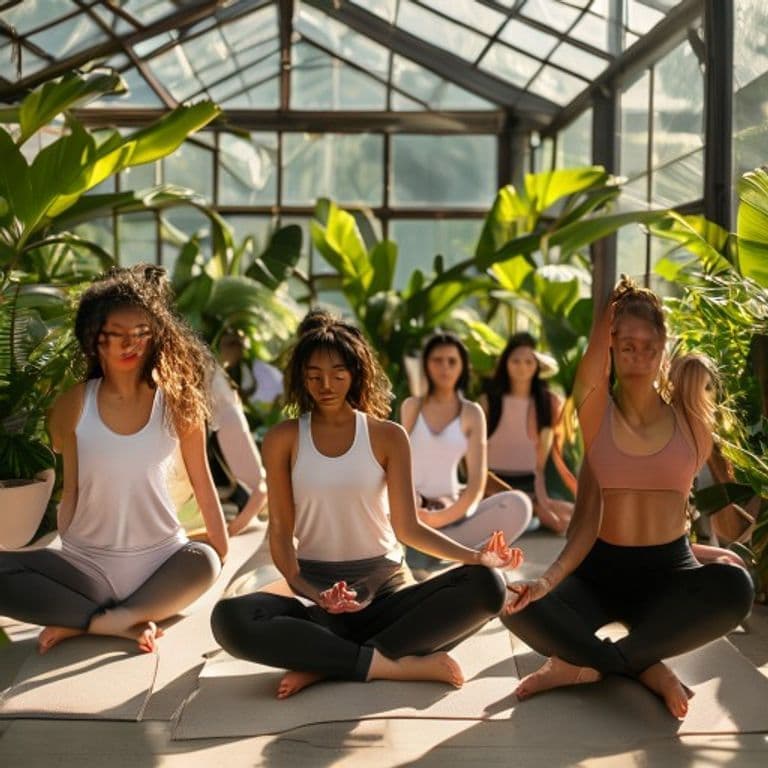
Sophia Rodriguez · April 22, 2021
Our take
Yoga isn’t just about touching your toes; it’s a powerful rehearsal for the vulnerability and presence that modern dating demands. When women learn to listen to their bodies on the mat, they bring that same attuned awareness to conversations, boundaries, and intimacy, turning anxious overthinking into genuine connection. This practice cultivates the self‑compassion that lets you show up as your whole, authentic self—exactly the energy that attracts partners who value you for who you are. In a world of swipe‑fatigue and performance pressure, yoga offers a grounded, empowering alternative for building love from the inside out.
Key takeaways
- Modern dating culture often rewards quick wit, polished profiles, and the ability to “perform” confidence, leaving many women feeling like they must split themselves into a mental persona and a physical afterthought.
- At its core, yoga teaches interoception—the ability to sense internal bodily states such as heartbeat, breath, and muscle tension.
- Pranayama, the yogic practice of breath regulation, directly influences the autonomic nervous system.
- Yoga’s emphasis on staying present with each sensation translates seamlessly to mindful communication.
Understanding the Mind‑Body Disconnect in Dating
Modern dating culture often rewards quick wit, polished profiles, and the ability to “perform” confidence, leaving many women feeling like they must split themselves into a mental persona and a physical afterthought. This split can manifest as nervous stomachs before a first date, chronic tension in the shoulders during a conversation, or a lingering sense that something feels “off” even when the conversation goes well. Research from the American Psychological Association shows that chronic self‑objectification—treating the body as an object to be evaluated—correlates with lower relationship satisfaction and higher anxiety. Yoga directly counters this by inviting practitioners to experience the body as a source of wisdom rather than a project to be perfected, laying the foundation for authentic presence in romantic encounters.
Yoga as a Tool for Embodied Awareness
At its core, yoga teaches interoception—the ability to sense internal bodily states such as heartbeat, breath, and muscle tension. A 2018 study published in Frontiers in Human Neuroscience found that eight weeks of regular yoga practice significantly improved interoceptive accuracy compared to a control group. When you become fluent in reading these subtle signals, you can notice when a date’s conversation triggers a tightening in your chest or when a partner’s touch elicits a warm expansion in your abdomen. This awareness allows you to respond consciously rather than react habitually, turning potential missteps into opportunities for deeper understanding and connection.
Breathwork: The Secret to Calming First‑Date Nerves
Pranayama, the yogic practice of breath regulation, directly influences the autonomic nervous system. Techniques like Nadi Shodhana (alternate nostril breathing) have been shown to lower heart rate variability and reduce cortisol levels, according to a 2020 meta‑analysis in Psychoneuroendocrinology. Before a date, try a simple 4‑7‑8 breath: inhale for four counts, hold for seven, exhale for eight. Repeating this cycle three to five times can shift you from a fight‑or‑flight state to a calm, socially engaged mode, making it easier to maintain eye contact, listen actively, and let your genuine smile emerge. Over time, incorporating brief breath checks throughout the day builds a reservoir of calm that you can draw on whenever dating stress spikes.
Moving Beyond the Pose: Mindfulness in Interaction
Yoga’s emphasis on staying present with each sensation translates seamlessly to mindful communication. Instead of planning your next witty reply while your date is speaking, you practice active listening—fully receiving their words, tone, and body language, much like you would notice the stretch in a hamstring during a forward fold. This mindful stance reduces the tendency to interrupt, judge, or mentally rehearse, fostering a sense of being truly heard. A practical exercise: during a conversation, silently label three sensations you notice (e.g., “warmth in my hands,” “light pressure in my lower back,” “softening in my jaw”) before responding. This anchors you in the present and signals to your partner that you are fully engaged.
Cultivating Self‑Acceptance to Attract Healthy Partners
One of yoga’s most transformative gifts is the cultivation of ahimsa—non‑violence toward oneself. On the mat, you learn to honor your current flexibility, strength, and energy without forcing a pose that causes pain. This mindset transfers to dating by encouraging you to appreciate your authentic self rather than chasing an idealized version you think others want. When you stop critiquing your “flaws” and start celebrating what your body can do today—whether that’s holding a plank for twenty seconds or simply breathing deeply—you radiate confidence that is inviting, not intimidating. Partners who value authenticity are drawn to this self‑acceptance, creating relationships rooted in mutual respect rather than performance.
Building Emotional Resilience Through Yoga
Regular yoga practice has been linked to increased emotional regulation and resilience. A longitudinal study from Harvard Medical School found that participants who practiced yoga twice weekly for twelve weeks reported significantly lower scores on the Perceived Stress Scale and higher scores on measures of emotional awareness. In dating, resilience means you can navigate rejection, miscommunication, or the inevitable ups and downs without spiraling into self‑doubt. The mat teaches you to sit with discomfort—like holding a challenging pose—and observe that sensations arise, peak, and subside. Applying this to emotional moments, you learn to acknowledge feelings of disappointment or jealousy without letting them dictate your actions, preserving your inner equilibrium and allowing you to respond from a place of clarity rather than reactivity.
Practical Yoga Practices for Busy Women
You don’t need a hour‑long class to reap yoga’s benefits for your love life. Here are three bite‑sized routines you can weave into a hectic schedule:
- Morning Reset (5 min): Begin with three rounds of Cat‑Cow to wake the spine, followed by Standing Forward Fold to release tension, and finish with a seated Box Breath (inhale 4, hold 4, exhale 4, hold 4) for three cycles.
- Pre‑Date Grounding (3 min): Practice Wall‑Supported Legs‑Up‑the‑Wall pose while breathing deeply; this inverses blood flow, calming the nervous system and reducing anxiety.
- Evening Reflection (7 min): Flow through a gentle Sun Salutation A sequence, then settle into Supine Twist on each side, ending with a brief Body Scan meditation, noting any areas of tightness or ease and breathing into them.
Consistency, not duration, builds the somatic awareness that enriches your dating experiences.
Real‑Life Stories: From Mat to Meaningful Connections
Consider Maya, a 29‑year‑old marketing executive who felt perpetually “on edge” during first dates, often over‑analyzing every pause. After committing to a twice‑weekly yoga routine, she noticed a shift: during a coffee date, she felt a flutter in her stomach but, instead of spiraling, she breathed into the sensation, recognized it as excitement, and let it fuel genuine curiosity about her date’s stories. The evening ended with a sense of ease and a second‑date invitation. Similarly, Jenna, a 34‑year‑old teacher, used yoga’s self‑acceptance principles to stop comparing her post‑pregnancy body to societal ideals. By honoring her body’s current capabilities on the mat, she entered dates feeling worthy and attracted a partner who appreciated her strength and nurturing nature. These anecdotes illustrate how the internal shifts cultivated through yoga translate into tangible, positive changes in romantic dynamics.
Expert Insights: What Therapists and Yoga Instructors Say
Licensed marriage and family therapist Dr. Lena Patel emphasizes that “yoga provides a somatic language that helps clients articulate feelings they might otherwise struggle to verbalize. When a client can point to a tight shoulder and connect it to anxiety about intimacy, we have a concrete entry point for healing work.” Yoga instructor and mindfulness coach Arjun Mehta adds, “The mat is a laboratory for experimenting with boundaries—learning when to push gently and when to yield. Those skills transfer directly to negotiating emotional boundaries in relationships.” Together, these perspectives underscore that yoga isn’t merely a fitness trend; it’s a relational toolkit that enhances communication, empathy, and mutual respect.
Conclusion: Integrating Yoga Into Your Love Life
Yoga offers far more than flexible hamstrings; it cultivates the embodied awareness, breath‑based calm, self‑acceptance, and resilience that are essential for thriving in modern dating and relationships. By bringing the lessons of the mat—mindful presence, non‑judgmental attunement, and respectful boundaries—into your romantic interactions, you transform dating from a performance into an authentic exchange of hearts and souls. Start small, stay consistent, and notice how each mindful breath and gentle stretch ripples outward, enriching not only your own well‑being but the quality of the connections you invite into your life. The next time you roll out your mat, remember: you’re not just stretching your body; you’re stretching your capacity to love—and be loved—more deeply.
Questions about Self-Growth
How do I build self-worth before dating?
Treat it as behavioural rather than emotional. Keep small promises to yourself, practise disappointing people in low-stakes situations, and build sources of identity outside romance. Confidence follows the evidence rather than preceding it.
What is the difference between having standards and having walls?
Standards describe how you expect to be treated and stay stable as you get to know someone. Walls are pre-emptive exits designed to prevent closeness. If your criteria keep getting stricter the more you like someone, that is protection, not discernment.
How do I stop people-pleasing in relationships?
Start by noticing the automatic yes. Buy time with a stock phrase like 'let me check and get back to you', then practise small refusals. The goal is tolerating someone else's brief disappointment without treating it as an emergency.
Keep reading
- Guide: Rebuilding Self-Worth: How to Stop Settling and Start Choosing
- Guide: Breaking Free from Codependency: A Research-Based Recovery Guide
- Guide: Emotional Intelligence in Relationships: The Skill That Matters More Than Attraction

Self-Growth
5 Ways Emotional Intelligence Makes Trust Easier | Psychology Today
Research shows that people with higher emotional intelligence are better at identifying relational asymmetry and are more willing to set boundaries or create ...
Summary of Psychologytoday · 13 min read

Self-Growth
3 Signs of an Intelligent Partner | Psychology Today
Experiencing and labeling your emotions like this is a checkpoint you must cross before you make any judgments about your partner's emotional and mental state.
Summary of Psychologytoday · 10 min read

Self-Growth
The Greatest Block to Your Personal Growth
To experience significant personal growth, you must feel safe enough to explore who you can become before exploring who you think you are today.3 However, you ...
Summary of Psychologytoday · 14 min read
Comments
No comments yet.