Breakups & Healing · 11 min read
Reclaiming Your Identity: What to Do When Your 'Couple Identity' Dissolves
Breakups can strip away a significant part of your identity, especially if you were deeply enmeshed in a couple's life. This piece guides you through the process of rediscovering and rebuilding your individual sense of self.
Dr. Anya Sharma · December 22, 2022
Our take
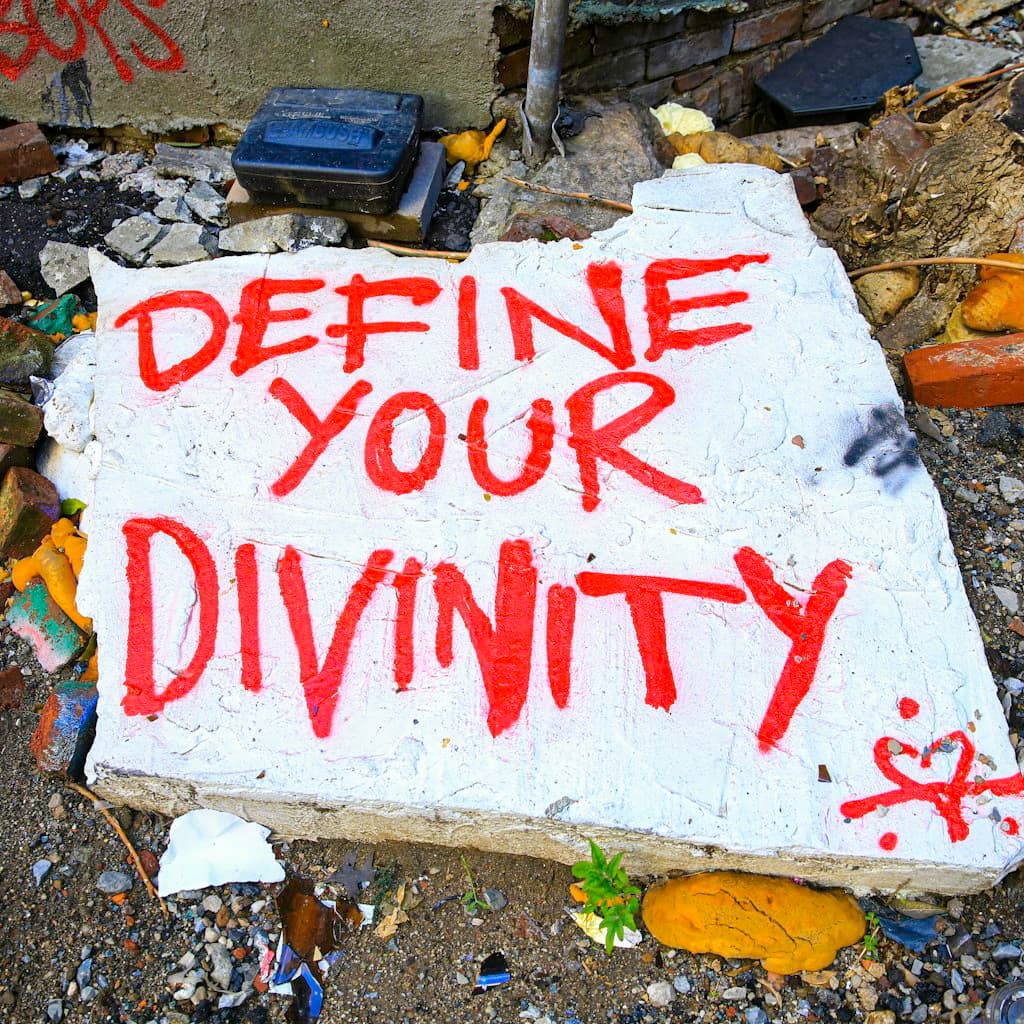
Let’s be real, ladies: how many of us have looked in the mirror after a breakup and whispered, "Who even am I anymore?" It’s a gut punch, this feeling of your "couple identity" dissolving, leaving a void where your individuality once thrived. But here at Next Boyfriend, we believe this isn't a crisis, it's a profound invitation. This article isn't just about picking up the pieces; it's about reclaiming the magnificent, complex woman you were always meant to be, independent of any relationship status. It's time to transform that painful "we" into an unapologetically powerful "me."
Key takeaways
- For many women, a long-term relationship isn’t just a partnership; it’s an all-encompassing universe.
- Understanding why we fall so deeply into couple identity is the first step toward reclaiming our individuality.
- The moment a relationship ends, especially a long-term one, the illusion of a singular "couple identity" shatters.
- As Dr. Anya Sharma wisely notes, reclaiming your identity is not about erasing the past, but about integrating it into a stronger, more defined sense of self.
The "We" to "Me" Transition: Unpacking the Post-Breakup Identity Crisis
For many women, a long-term relationship isn’t just a partnership; it’s an all-encompassing universe. Your routines, your social life, your weekend plans, even your internal dialogue often shift from "I" to "we." We adopt new habits, embrace shared interests, and sometimes, without even realizing it, allow our partner's identity to become deeply intertwined with our own. This phenomenon, often referred to as "identity fusion" or "enmeshment," can feel wonderfully comforting and secure when the relationship is thriving. It’s the sweet surrender of two lives becoming one, a narrative celebrated in countless romantic comedies and love songs.
However, as Dr. Anya Sharma highlighted in her insightful piece for Psychology Today, when that relationship inevitably ends, the sudden absence of your partner can feel like a part of you has been amputated. The familiar "we" crumbles, leaving behind an individual who might feel adrift, lost, and profoundly unsure of who she is outside the context of the relationship. This isn't just sadness; it's a deeper existential query, a struggle to define your individual self when your identity has been so profoundly shaped by another. It's a psychological phenomenon that deserves compassion, understanding, and a clear roadmap for recovery.
The Siren Song of "Couple Identity": Why We Merge
Understanding why we fall so deeply into couple identity is the first step toward reclaiming our individuality. From an evolutionary perspective, human beings are wired for connection. Belonging to a pair, a unit, offered safety, companionship, and a sense of shared purpose. In modern relationships, this manifests as a desire for intimacy, shared experiences, and mutual support. We blend our lives because it feels good – it reduces loneliness, amplifies joy, and provides a stable foundation for navigating life's challenges.
The subtle creep of enmeshment often begins innocently enough: you start enjoying their hobbies, adopting their favorite restaurants, or integrating their friends into your circle. Over time, these small shifts can accumulate until your individual preferences, dreams, and even values become secondary to the couple's shared narrative. While there's a healthy level of interdependence in any strong relationship, the danger arises when your sense of self becomes contingent upon the relationship, rather than merely enriched by it. When the "we" eclipses the "me," the groundwork for post-breakup identity loss is laid.
The Shattering: When "We" Becomes "Was"
The moment a relationship ends, especially a long-term one, the illusion of a singular "couple identity" shatters. This isn't merely the grief of losing a partner; it's the shock of losing a significant chunk of who you perceived yourself to be. Suddenly, your established routines feel alien. Your social circles might shift, leaving you feeling isolated. The plans you’d meticulously crafted for your future vanish, replaced by a terrifying blank slate. Your internal dialogue, once filled with considerations for your partner, now echoes with an unfamiliar silence.
This isn't a sign of weakness; it's a normal, albeit painful, psychological response to a profound shift in self-perception. You’re not just mourning the person you lost, but the version of yourself that existed only within that partnership. The challenge, then, becomes not just processing the grief, but actively reconstructing a vibrant, independent identity from the fragments that remain. This journey, while daunting, holds the promise of emerging stronger, clearer, and more resilient than ever before.
Psychology Today's Blueprint: Steps to Reclaim Your Identity
As Dr. Anya Sharma wisely notes, reclaiming your identity is not about erasing the past, but about integrating it into a stronger, more defined sense of self. It’s an active, intentional process that requires both introspection and action. The framework provided by experts like Dr. Sharma offers a compassionate and practical guide for women navigating this challenging transition. It’s about peeling back the layers of shared identity to reveal the core of who you truly are, and then building upon that foundation.
This journey of self-rediscovery is an investment in your future happiness and well-being. It requires patience, self-compassion, and a willingness to explore uncomfortable truths about yourself and your previous relationship. But the payoff is immeasurable: a more authentic, self-aware, and resilient you, ready to face the world on your own terms.
Reflect on Your Values and Interests: Anchoring Your True North
One of the most crucial steps in this reclamation process is to reconnect with your fundamental values and interests. Before the relationship, what truly lit you up? What causes did you care about? What activities did you pursue simply because they brought you joy, not because your partner enjoyed them too? These are the anchors of your individual identity, the non-negotiables that define your essence.
Take time for deep self-reflection. Journaling can be invaluable here. Ask yourself: What are my top five core values (e.g., creativity, adventure, security, compassion, intellect)? What did I love doing that I let slide during the relationship? Perhaps you loved painting, hiking, reading esoteric novels, or volunteering at an animal shelter. These weren’t just pastimes; they were expressions of your authentic self. Re-engaging with them, even in small ways, can reignite a sense of purpose and self-worth that isn’t dependent on external validation. It’s like finding your way back to your own personal North Star after a period of drifting.
Embark on New Experiences: Expanding Your Horizons
While reconnecting with the past is vital, so is forging a path forward. Embarking on new experiences offers fresh perspectives, builds confidence, and creates new memories that are uniquely yours. This isn't about grand gestures (though a solo trip to Italy could certainly qualify!), but about stepping outside your comfort zone in ways that resonate with you.
Consider trying a new hobby that's completely unrelated to anything you did with your ex. Take a pottery class, learn a new language, join a local hiking group, or start a dance class. These experiences provide opportunities to meet new people, acquire new skills, and discover facets of yourself you never knew existed. Each new accomplishment, no matter how small, reinforces your individual capabilities and proves that you are perfectly capable of creating a rich and fulfilling life on your own. It's a powerful way to rewrite your narrative and prove to yourself that the world is still full of possibility.
Reconnect with Old Friends: Seeing Yourself Through Loving Eyes
Often, when we're in a deep relationship, our social circles merge or shrink to accommodate the couple's shared life. Post-breakup, this can leave you feeling isolated. This is where the wisdom of old friends becomes invaluable. Re-establishing connections with friends who knew you before your most recent relationship can offer a powerful mirror to your authentic self. They remember your jokes, your quirks, your dreams, and your passions from a time when your identity wasn't intertwined with anyone else's.
Reach out to that college roommate, the friend from your old book club, or even a distant cousin you used to confide in. These individuals can provide objective (and often incredibly comforting) validation of who you truly are, reminding you of the person you were before, and the person you still are at your core. Their perspective can help you see yourself through loving eyes, beyond the lens of your past relationship, reaffirming your inherent worth and individuality.
Journaling: Your Private Dialogue with Your Evolving Self
Journaling is not just a trendy self-help tool; it’s a powerful psychological practice for self-discovery and emotional processing. Regularly writing down your thoughts and feelings provides a safe, non-judgmental space to explore your emotions, understand your evolving identity, and gain clarity on your journey. There's no right or wrong way to journal; it can be free-flowing thoughts, bullet points, gratitude lists, or prompts that delve into specific questions.
Consider prompts like: "What parts of myself did I neglect during the relationship?" "What does my ideal day look like now, just for me?" "What makes me feel strong and capable?" "What am I truly passionate about, regardless of external opinion?" This consistent practice allows you to track your emotional landscape, identify recurring patterns, celebrate small victories, and consciously chart the course for your personal growth. It's a dialogue with your innermost self, helping you articulate and solidify your new, independent identity.
Building a Body of Confidence: Physical Wellness as Identity Building
While the focus on identity often gravitates towards mental and emotional aspects, don't underestimate the power of physical wellness in reclaiming your sense of self. Engaging in activities that make your body feel strong, capable, and alive can be incredibly empowering. Whether it's picking up running, joining a spin class, practicing yoga, or simply committing to daily walks, physical activity provides a tangible sense of accomplishment and control.
When your emotional world feels chaotic, a consistent physical routine can offer structure and a renewed connection to your body. It shifts your focus from what you've lost to what you can build and achieve. This isn't just about aesthetics; it's about honoring your body as an integral part of your unique self, fostering self-discipline, and experiencing the surge of endorphins that naturally boost mood and confidence. The feeling of pushing your physical limits or mastering a new move translates directly into a stronger sense of personal agency and self-efficacy, critical components of a resilient identity.
Defining Your "Me" Moving Forward: Boundaries and Self-Advocacy
As you rediscover who you are, an essential part of reclaiming your identity involves setting clear boundaries for your future interactions and relationships. This is about defining what you will and will not tolerate, what makes you feel respected, and what aligns with your rediscovered values. It’s about advocating for your own needs and protecting your newfound sense of self.
This might mean saying "no" to social invitations that don't genuinely excite you, even if they're with mutual friends. It could involve clearly articulating your expectations in future dating scenarios or simply prioritizing your solo time without guilt. Establishing these boundaries is an act of profound self-love. It communicates to yourself, and to the world, that your identity is valuable, worthy of protection, and no longer negotiable in the face of others' desires. This practice reinforces your autonomy and solidifies your "me."
Dating From Wholeness: Ready for the Next Chapter
The journey of reclaiming your identity after a breakup isn't just about healing; it's about preparing you for healthier, more fulfilling relationships in the future. When you re-enter the dating world from a place of wholeness – knowing who you are, what you value, and what you want – you approach potential partners with confidence and clarity, not a desperate need for completion.
You'll be better equipped to identify partners who complement your life rather than consume it. You'll be less likely to fall into old patterns of enmeshment because you understand the importance of maintaining your individual identity within a partnership. This self-awareness makes you a more discerning, resilient, and attractive partner, someone who brings a rich, fully formed self to the table, ready to share, not to merge. The "next boyfriend" won't define you; he'll simply be a wonderful addition to the incredible life you've already built.
Integrating the Past, Building the Future: An Evolving Self
The dissolution of a couple identity is undeniably a painful experience, but as Dr. Sharma wisely points out, it is ultimately a transformative one. This process isn't about erasing the person you were in the relationship or pretending that chapter never happened. Instead, it's about integrating the lessons learned, the growth experienced, and even the cherished memories into the mosaic of your evolving self. Your past relationships are part of your story, but they don't define your entire narrative.
By focusing on introspection, embracing new opportunities, and nurturing your individual spirit, you emerge from a breakup not as a broken version of your former self, but as a stronger, clearer, and more resilient woman. You are the architect of your own identity, capable of building a life rich with purpose, passion, and authentic connection – with yourself first, and then with others. This journey of self-reclamation is one of the most empowering adventures you will ever undertake, leading you straight back to the most important relationship of all: the one you have with yourself.
Questions about Breakups & Healing
How long does it take to get over a breakup?
There is no reliable formula, and the popular half-the-relationship-length rule has no research behind it. What predicts faster recovery is how much separate identity, routine, and social support you retained during the relationship — not its duration.
Does no contact actually work?
For recovery, yes. Attachment to a partner functions partly like a reward loop, and each contact restarts it. No contact is best understood as removing the trigger rather than as a strategy to make an ex return.
How do I know if I am healing or just avoiding?
Healing lets you remember the relationship accurately — good parts included — without being pulled under. Avoidance requires the subject never to come up. If entire topics, places, or people are off-limits months later, that is suppression rather than recovery.
Keep reading
- Guide: Healing After a Toxic Relationship: A Trauma-Informed Recovery Guide
- Guide: Rebuilding Self-Worth: How to Stop Settling and Start Choosing
- Guide: Breaking Free from Codependency: A Research-Based Recovery Guide

Breakups & Healing
Broken-heart syndrome (takotsubo cardiomyopathy) - Harvard Health
Broken heart syndrome occurs when someone experiences sudden acute stress, which can weaken the heart.
Summary of Health · 21 min read

Breakups & Healing
Beyond the Chrysalis: Healing After Heartbreak | Minimah Rush
3 days ago · Divorces and breakups can be painful. If individual therapy isn't enough, group therapy might be helpful as you grieve the loss of your ...
Summary of Psychologytoday · 9 min read

Breakups & Healing
How Breakups Can Seriously Damage Men's Mental Health
Stay connected. Isolation fuels risk. · Establish structure quickly. Routine restores a sense of control when everything else feels chaotic. · Seek professional ...
Summary of Psychologytoday · 10 min read
Comments
No comments yet.