Dating Apps & Technology · 14 min read
The Algorithms of Love: How Dating Apps Shape Our Search for a Partner
Dating apps are more than just digital matchmakers; they are sophisticated systems that influence how we perceive potential partners. This article explores the algorithms behind these platforms and their potential impact on our romantic choices.
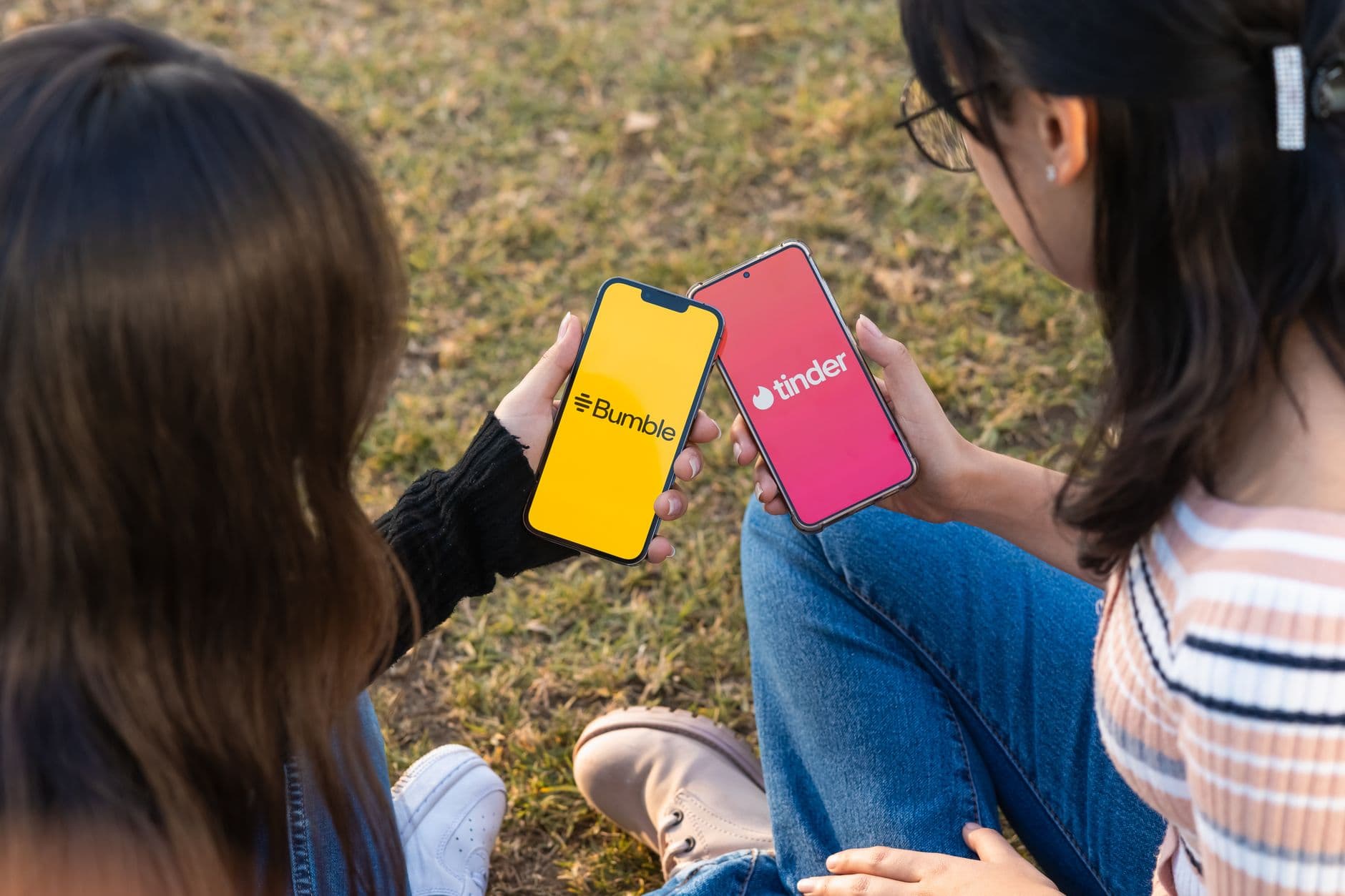
Dr. Anya Sharma · October 4, 2022
Our take
Let's be real, dating apps are practically synonymous with modern romance, but are they truly leading us to "the one," or just leading us in circles? We swipe, we match, we chat, all while unseen algorithms hum in the background, subtly shaping our perceptions and choices. Understanding how these digital matchmakers work isn't just tech literacy; it's a vital part of reclaiming our agency in the search for love. It’s time to decode the systems that promise us connection, so we can use them as a tool, not let them dictate our hearts.
Key takeaways
- In the bustling landscape of modern dating, apps have become our primary navigators, promising to streamline the search for a compatible partner.
- At its core, a dating app algorithm is a predictor.
- While efficiency sounds appealing, it comes with a significant caveat: the "filter bubble." This concept, often discussed in the context of news feeds and social media, applies acutely to dating apps.
- Dating apps aren't just matchmakers; they're also highly sophisticated psychological playgrounds.
The Invisible Architects of Our Love Lives: Unmasking the Algorithmic Influence
In the bustling landscape of modern dating, apps have become our primary navigators, promising to streamline the search for a compatible partner. From quick flings to lifelong commitments, these platforms host billions of interactions daily. But beneath the surface of swiping and messaging lies a complex web of algorithms, diligently working to connect us – or perhaps, to guide us in ways we don't always understand. These digital matchmakers are more than just platforms; as Dr. Anya Sharma aptly points out in her article "The Algorithms of Love: How Dating Apps Shape Our Search for a Partner" on The Atlantic, they are "sophisticated systems that influence how we perceive potential partners." For women navigating the sometimes-treacherous waters of app dating, understanding these invisible forces is crucial to making empowered, authentic choices. Are these algorithms truly helping us find the love we deserve, or are they subtly steering us away from genuine connection?
Decoding the Digital Matchmaker: A Deeper Dive into the Black Box
At its core, a dating app algorithm is a predictor. It's designed to anticipate who you'll like and who will like you back, based on a vast array of data points. Think of it as a highly observant, incredibly detail-oriented friend who's trying to set you up. But instead of anecdotes and intuition, this "friend" relies on cold, hard data. When you sign up, you provide explicit preferences: age range, location, height, education, even deal-breakers. However, the algorithm doesn't stop there. It also meticulously tracks your implicit behaviors: who you swipe right on (and more importantly, who you don't), the profiles you linger on, the messages you send, the speed of your replies, and even the nuances of language you use in your bio and conversations.
Beyond your stated preferences, these systems analyze your profile photos—identifying patterns in facial expressions, settings, and even the presence of pets. They track your active hours, your device type, and your geographical movements (with permission, of course). All this information is fed into complex machine learning models, which employ techniques like collaborative filtering (connecting you with people who are liked by others similar to you) and content-based filtering (matching you based on shared interests or profile characteristics). The goal, as the original content highlights, is to present you with profiles that have a "higher likelihood of engaging with you, and vice versa." But what often gets lost in this pursuit of efficiency is the unpredictable, often illogical, magic of human attraction. For us, the users, understanding this process allows us to be more intentional about the data we feed the beast and, in turn, the matches it feeds us.
The Romance Filter Bubble: Limiting Your Horizon, Reinforcing Your Biases
While efficiency sounds appealing, it comes with a significant caveat: the "filter bubble." This concept, often discussed in the context of news feeds and social media, applies acutely to dating apps. If you consistently swipe right on a certain type of person – say, tall, dark-haired men with creative jobs – the algorithm learns this preference and prioritizes showing you more of them. Conversely, if you consistently swipe left on others, those profiles gradually disappear from your feed. On the surface, this seems helpful; why waste time seeing profiles you're not interested in?
However, this self-reinforcing loop can inadvertently narrow your dating pool and solidify existing biases. It can prevent you from encountering individuals who might fall outside your "type" but who possess incredible qualities and compatibility that the algorithm simply can't measure. Perhaps that slightly shorter, bald man with a corporate job you've always dismissed might actually be the most emotionally intelligent, hilarious, and supportive partner you could ever ask for. The filter bubble, in its attempt to simplify choice, can prevent serendipitous discovery. It raises a critical question: are these systems truly helping us find the best match, or are they simply confirming our pre-existing notions and limiting our exposure to diverse, potentially wonderful, individuals? For women seeking truly fulfilling partnerships, breaking out of this algorithmic echo chamber demands conscious effort and an open mind.
The Gamification of Connection: Swipes, Boosts, and Behavioral Loops
Dating apps aren't just matchmakers; they're also highly sophisticated psychological playgrounds. The entire experience is often "gamified," designed to keep you engaged, swiping, and coming back for more. Think about it: the satisfying "whoosh" sound of a match, the little animated heart, the constant notifications ("You have a new like!"), and the paid features like "boosts" or "super likes" that promise increased visibility. These elements tap into our brain's reward system, delivering dopamine hits that can be incredibly addictive. Each swipe becomes a mini-gamble, a hope for validation or connection.
This gamification has profound implications for how we approach dating. It can encourage a quantity-over-quality mindset, where the sheer volume of swipes and matches becomes a metric of success, rather than the depth of connection. It can foster a sense of endless options, making it harder to commit to getting to know one person deeply. Moreover, the constant cycle of evaluation and potential rejection can take a toll on self-esteem and contribute to dating app burnout. We might start seeing people as profiles to be sorted, rather than complex individuals with feelings and stories. Recognizing these design choices empowers us to be more mindful users, detaching our self-worth from app metrics and focusing on what truly matters: genuine human interaction.
The Science of Love vs. The Algorithm's Logic: Where Human Connection Trumps Data
The central premise of algorithmic matching is that certain data points correlate with compatibility. And indeed, researchers are continuously studying this very claim. Academic journals like the Journal of Social and Personal Relationships frequently publish studies exploring the effectiveness of these algorithms. As Dr. Sharma notes, the findings are often "mixed." Why? Because true compatibility and lasting love are far more nuanced than what any algorithm can currently measure.
Algorithms excel at predicting surface-level compatibility: shared demographics, common interests (if stated), and perhaps even similar swiping patterns. They can tell you if someone else likes hiking, prefers cats over dogs, or has a similar educational background. What they cannot reliably predict are the subtle, intangible elements that form the bedrock of a deep, meaningful relationship:
- Chemistry and Spark: That inexplicable feeling of connection you get when you're with someone.
- Emotional Intelligence: The ability to understand and manage emotions, both your own and others'.
- Communication Styles: How effectively you can discuss difficult topics, express affection, or resolve conflict.
- Shared Values (beyond hobbies): Fundamental beliefs about life, family, money, and future goals.
- Growth Mindset: The willingness to evolve together, support each other's personal development, and navigate life's inevitable changes.
- Sense of Humor: What makes you genuinely laugh is incredibly personal and difficult to quantify.
While technology can certainly assist in filtering options, human intuition and genuine connection remain paramount. The "mixed findings" from research underscore this fact: a high algorithmic match percentage doesn't guarantee real-world success, and a low one doesn't preclude it. Relying solely on a computed score means sidelining your own powerful discernment, your gut feeling, which is often the wisest guide to matters of the heart.
Crafting Your Authentic Digital Persona: Beyond the Algorithm's Gaze
Given the pervasive influence of algorithms, how can women reclaim control and ensure their app experience is authentic and empowering? It starts with your profile. Instead of trying to "game" the system or present a manufactured version of yourself you think the algorithm (or potential matches) wants to see, focus on genuine self-expression.
- Photos Tell a Story: Use a variety of clear, recent photos that truly represent you and your life. Include headshots, full-body shots, photos engaging in hobbies, and images with friends (if appropriate). Avoid overly filtered or outdated pictures. Algorithms can pick up on visual cues, but a human will be looking for authenticity.
- Prompts are Goldmines: Don't leave prompts blank or give one-word answers. These are opportunities to showcase your personality, humor, and depth. Talk about what genuinely excites you, what you're passionate about, and what you're looking for. This helps attract like-minded individuals and gives potential matches something specific to respond to.
- Your Bio is Your Brand: Craft a bio that is concise, engaging, and reflective of your true self. Inject humor, vulnerability, or a clear statement of your intentions. This isn't just for algorithms; it's for humans looking for a connection. Remember, a compelling bio can override a generic image in a potential match's mind.
- Broaden Your Swiping Horizons: Consciously challenge your "type." Every now and then, swipe right on profiles that might not fit your usual pattern but show interesting qualities. This not only expands your potential matches but also helps the algorithm understand that your preferences might be broader than it initially assumed.
- Engage Thoughtfully: When you do match, move beyond generic "hey" messages. Refer to something specific in their profile or offer an insightful comment. Genuine engagement helps both you and the algorithm understand what kinds of conversations you value.
By focusing on authenticity, you not only present your true self to potential partners but also implicitly guide the algorithm towards showing you profiles that genuinely resonate with who you are, rather than who it thinks you should be.
From Screen to Soul: Cultivating Real-World Chemistry
The algorithm's job largely ends once you've matched. The real work—and the real magic—begins when you transition from digital interaction to genuine human connection. This is where your intuition, communication skills, and ability to assess character come into play.
- Prioritize Quality Over Quantity in Conversations: Instead of juggling dozens of lukewarm chats, focus your energy on a few promising connections. Ask open-ended questions, listen actively to their responses, and share genuinely about yourself. Aim to move the conversation towards a phone or video call relatively quickly. A video call can save you a lot of wasted time and emotional energy by allowing you to gauge chemistry, mannerisms, and overall vibe before committing to an in-person meeting.
- Set Clear Intentions for First Dates: A first date is not a job interview; it's an opportunity to see if there's a spark. Keep it light, be present, and focus on getting to know the person, not just verifying their profile details. Observe how they treat waitstaff, how they listen, and how they make you feel.
- Trust Your Gut Feelings: This is arguably the most crucial piece of advice. If something feels off, it probably is. If you feel a genuine connection, lean into it. The algorithm can't tell you if someone's energy is draining, if their humor aligns with yours, or if their values truly resonate when you're face-to-face. That's your job, and your intuition is your most powerful tool. The connection you feel in person, or the lack thereof, will always supersede any compatibility score the app assigned.
Remember, dating apps are merely introductions. They open doors, but it’s up to you to walk through them with curiosity, courage, and discernment.
The Emotional Landscape of App Dating: Navigating the Ups and Downs
Navigating dating apps can feel like an emotional rollercoaster. The highs of a promising match or a great first date are often juxtaposed with the lows of ghosting, rejection, or simply endless unanswered messages. This constant cycle of evaluation can have a significant impact on our mental and emotional well-being. The feeling of being "judged" by an algorithm, or by hundreds of potential strangers, can erode self-esteem and lead to burnout.
It's vital to develop strategies for maintaining your mental health in this digital dating environment:
- Set Boundaries: Decide how much time you'll spend on apps each day or week. Stick to it. Don't let endless swiping consume your free time or mental energy.
- Take Breaks: If you're feeling overwhelmed, frustrated, or cynical, it's a clear sign to step away. Delete the apps for a week, a month, or longer. Focus on your friends, hobbies, and personal growth.
- Practice Self-Compassion: Rejection on an app is not a reflection of your worth. It’s a part of the process, and often has more to do with the other person’s preferences or circumstances than with anything about you. Treat yourself with the same kindness you'd offer a friend.
- Balance Digital with Real Life: Actively pursue social activities and hobbies where you can meet people organically. Apps are a tool, not the only avenue for connection. A rich, fulfilling offline life provides perspective and ensures you’re not solely relying on an algorithm for your happiness.
Embracing this holistic approach allows you to engage with dating apps from a place of strength and resilience, rather than desperation or emotional depletion.
Unleash Your Inner Matchmaker: Trusting Your Gut in the Digital Age
Ultimately, the core message is this: technology is a tool, not a destiny maker. As Dr. Sharma concludes, "it's essential to approach dating apps with a critical eye, understanding the limitations of algorithms." Don't allow a digital system to define your potential for love or narrow your perception of who might be a good partner.
Your inner matchmaker – your intuition, your values, your emotional intelligence – is far more sophisticated than any algorithm. It processes subtle cues, understands the complexities of human interaction, and knows what truly makes your heart sing. Empower yourself to:
- Be Open to Serendipity: Both within and outside the apps. Sometimes the most meaningful connections arise from unexpected places or with unexpected people. Challenge the algorithmic suggestion if your gut tells you otherwise.
- Engage in Genuine Conversations: Prioritize depth over breadth in your interactions. Seek to understand and be understood.
- Trust Your Own Instincts: When you meet someone in person, pay attention to how you feel, not just what their profile said or what the app predicted. Does their presence make you feel safe, stimulated, seen?
- Be Proactive: Don't passively wait for the "perfect" algorithmic match to appear. Actively participate in your dating life, both online and offline.
The Next Boyfriend Manifesto: Mastering Modern Love with Purpose
The journey to finding a fulfilling partnership in the digital age requires a delicate balance: leveraging the convenience of technology while fiercely protecting the invaluable human element. For women, this means approaching dating apps not as passive consumers, but as empowered architects of their own love lives. Understand the algorithms, but don't let them define your worth or limit your potential. Craft a profile that radiates your authentic self, and then step into real-world interactions with an open heart and a sharp intuition.
Dating apps can be powerful tools for connection, but they are most effective when guided by conscious intention and self-awareness. Use them to broaden your reach, but always remember that the true spark, the genuine connection, lives in the space between two people, beyond any digital screen. Date intentionally, critically, and most importantly, authentically. Your best match isn't just a collection of data points; they are a living, breathing human waiting to connect with the real, incredible you.
Questions about Dating Apps & Technology
Which dating app is best?
It depends entirely on your goal. Apps skew differently by intent, age, and region — some toward serious relationships, some toward volume and casual meeting. Match the app to your goal rather than joining whichever is largest, and read platform-specific reviews before investing time.
How do dating app algorithms work?
Most rank profiles using a desirability score derived from how people who have swiped on you behave, then show you profiles with similar scores. Activity matters too: recent, frequent, selective users generally get more visibility than dormant accounts that like everyone.
Why do I get so few matches?
Usually photos and specificity, in that order. Clear, well-lit, face-forward lead photos outperform group shots and filtered images, and profiles with concrete detail give people something to respond to. Swiping selectively rather than mass-liking also improves how the algorithm ranks you.
Keep reading
- Guide: The Intentional Dating Guide: How to Date with Purpose, Not Just Hope
- Guide: Rebuilding Self-Worth: How to Stop Settling and Start Choosing

Dating Apps & Technology
Is Romance That Begins Online Less Fulfilling?
Is Romance That Begins Online Less Fulfilling? How to strengthen a relationship regardless of how it began. - The Science of Mating Too Many Choices One of the most well-known…
Summary of Psychologytoday · 8 min read

Dating Apps & Technology
Dating App Statistics (2026): Market Growth, User Behavior, and AI Trends
Dating App Statistics (2026): Market Growth, User Behavior, and AI Trends 10 min read Frank L. TLDR; With global revenue for dating apps projected to reach $3.24 billion in 2026…
Summary of Getstream · 15 min read

Dating Apps & Technology
Principal Data & Analytics Strategist - Mayo Clinic Careers
Leveraging Enterprise Architecture to construct integration centricity, promote data liquidity, and provide innovation support. This transformation creates, ...
Summary of Jobs · 10 min read
Comments
No comments yet.