Single Life · 7 min read
The Art of Intentional Single Life: Designing a Fall That Fulfills You
September marks a shift; instead of passively waiting for things to happen, this article guides you in proactively designing a fulfilling fall as a single woman. Learn to set intentions, cultivate meaningful experiences, and build a life you love, whether partnered or not.
Dr. Lena Hanson · September 17, 2021
Our take
Fall isn’t just a backdrop for pumpkin spice lattes and cuffing season—it’s a powerful invitation to design a life that feels fully yours, partnership or not. By shifting from waiting for romance to actively shaping your days, you reclaim agency, deepen self‑trust, and create a reservoir of joy that makes any future relationship richer, not compensatory. This article shows you how to turn September’s crisp air into a season of purpose, connection, and self‑celebration.
Key takeaways
- As the light softens and the air turns crisp, fall naturally nudges us toward reflection and renewal.
- Intentionality begins with clarity. Start by carving out 20 minutes with a journal or a digital note‑app and ask yourself: What would make me feel proud, energized, and at peace by the end of November?
- A routine isn’t a cage; it’s the scaffolding that lets spontaneity flourish.
- Romantic love often steals the spotlight, but the health benefits of deep friendship rival those of a partnership.
Embracing the Season: Why Fall Is the Perfect Canvas for Intentional Living
As the light softens and the air turns crisp, fall naturally nudges us toward reflection and renewal. Psychologists note that seasonal transitions can boost goal‑setting motivation because the environment signals a fresh start—think of the “back‑to‑school” mindset that persists even after graduation. For single women, this period offers a low‑pressure window to experiment with new habits without the distraction of holiday‑centric couple‑centric narratives. By treating autumn as a personal laboratory, you can test what truly fuels you and lay groundwork for a year‑round intentional lifestyle.
Setting Personal Fall Intentions: From Vision to Action
Intentionality begins with clarity. Start by carving out 20 minutes with a journal or a digital note‑app and ask yourself: What would make me feel proud, energized, and at peace by the end of November? Break your answers into four pillars—personal growth, social connection, wellness, and creative expression—and draft one concrete goal per pillar. Research from Locke & Latham’s goal‑setting theory shows that specific, challenging goals increase performance by up to 25%. For example, instead of “read more,” aim for “finish two nonfiction books on topics I’ve avoided and discuss them in a virtual book club.” Write these intentions in the present tense (“I am…”) to reinforce identity‑based motivation.
Designing a Growth‑Focused Routine: Learning, Creativity, and Wellness
A routine isn’t a cage; it’s the scaffolding that lets spontaneity flourish. Map out a weekly template that anchors your intentions: allocate two evenings for skill‑building (online courses, language apps, or a local workshop), one morning for movement that feels joyful (yoga, dance, or a scenic hike), and a weekend block for a passion project—whether that’s painting, coding a side hustle, or gardening. Incorporate micro‑habits: a five‑minute gratitude pause after brushing your teeth, or a “creative spark” notebook on your nightstand. Studies from the American Psychological Association link regular skill acquisition to higher self‑efficacy and lower anxiety, especially when the activity aligns with intrinsic interests.
Curating Meaningful Social Experiences: Friends, Chosen Family, and Community
Romantic love often steals the spotlight, but the health benefits of deep friendship rival those of a partnership. A 2020 meta‑analysis in PLOS Medicine found that strong social ties increase longevity by 50%. To nurture your chosen family, schedule recurring “connection rituals”: a monthly potluck where each friend brings a dish tied to a personal story, a quarterly group hike with a theme (e.g., “leaf‑peeping and gratitude”), or a bi‑weekly virtual coffee chat that rotates hosting duties. Prioritize quality over quantity—aim for interactions where you feel seen, heard, and able to be authentic. If you’re looking to expand your circle, try volunteering for a cause you care about; shared purpose accelerates bonding.
The Art of the Self‑Date: Rituals of Self‑Love and Enjoyment
Self‑dating is not indulgence; it’s maintenance. Treat these appointments with the same reverence you’d give a dinner with a partner: put them on your calendar, dress in something that makes you feel confident, and choose an activity that genuinely delights you. Ideas include a solo museum visit with an audio guide, a cooking class focused on a cuisine you’ve never tried, a sunset picnic with your favorite novel, or a spa‑at‑home evening with a DIY facial and a playlist of empowering anthems. Neuroscientists note that engaging in pleasurable, self‑directed activities releases dopamine and strengthens the brain’s reward pathways, reinforcing a positive self‑narrative.
Navigating Loneliness and Societal Pressure: Strategies for Resilience
Even the most intentional plans can encounter moments of loneliness or the sting of cultural cues that equate fall with coupling. Counteract this by preparing a “loneliness toolkit”: a list of three go‑to actions (call a friend, listen to a favorite podcast, or engage in a brief creative burst), a mantra that reminds you of your worth (“I am whole exactly as I am”), and a scheduled check‑in with yourself each Sunday to assess emotions without judgment. Research on self‑compassion (Neff, 2003) shows that treating oneself with kindness during difficult feelings reduces depressive symptoms and increases emotional resilience. Remember, feeling lonely doesn’t mean you’re failing—it signals a human need for connection, which you can meet in myriad ways.
Financial Mindfulness: Budgeting for Experiences That Matter
Intentional living thrives when your spending aligns with your values. Begin by reviewing your past three months of expenses and identifying categories that drain energy without adding joy (e.g., impulsive online shopping, subscription services you rarely use). Redirect those funds toward experiences that serve your fall intentions: a class fee, a weekend retreat, or ingredients for a culinary experiment. Use the “50/30/20” rule as a flexible guide—50% needs, 30% intentional experiences, 20% savings/debt—but adjust the 30% slice to reflect your seasonal goals. Tracking spending in a simple app or spreadsheet creates awareness and empowers you to say “yes” to what truly matters.
Leveraging Technology and Apps to Enhance Your Fall Intentions
Technology, when used mindfully, can be a powerful ally. Consider these tools: habit‑tracking apps like Habitica or Loop to visualize streaks for your weekly goals; event platforms such as Meetup or Eventbrite to discover local workshops, book clubs, or outdoor groups aligned with your interests; meditation apps like Insight Timer for guided self‑date reflections; and finance apps like YNAB to earmark money for experience‑based spending. Set a weekly “tech‑check‑in” to ensure these tools are serving you, not distracting you—turn off notifications during your self‑date blocks and prioritize face‑to‑face or voice‑to‑voice interaction when possible.
Real‑World Examples: Women Who Designed Their Best Fall Solo
Meet Maya, a 29‑year‑old graphic designer who used her fall intention to learn pottery. She enrolled in a six‑week wheel‑throwing class, scheduled Saturday studio time, and invited friends to a “glaze‑and‑gallery” night where each piece was showcased. The tactile hobby lowered her stress levels, and the social event strengthened her friend circle. Then there’s Jia, a 35‑year‑old nurse who committed to a “solo culinary tour” of her city, cooking one new international recipe each week and sharing photos and stories with a private Instagram group. The project sparked joy, improved her cooking confidence, and led to a collaborative pop‑up dinner with fellow food enthusiasts. These stories illustrate how concrete, personalized plans transform intention into lived fulfillment.
Bringing It All Together: A Sustainable Intentional Lifestyle Beyond Fall
The practices you cultivate this autumn need not expire when the leaves fall. Use the momentum to create a year‑long “intentional living” framework: revisit your intentions each season, adjust goals based on what you’ve learned, and keep the core rituals—self‑dates, chosen‑family gatherings, and growth blocks—anchored in your calendar. Consider a quarterly retreat (even a half‑day at home) to review progress, celebrate wins, and recalibrate. By treating intentionality as a lifestyle rather than a seasonal project, you build resilience, deepen self‑knowledge, and create a life that feels abundant regardless of relationship status.
Conclusion: Your Fall, Your Rules
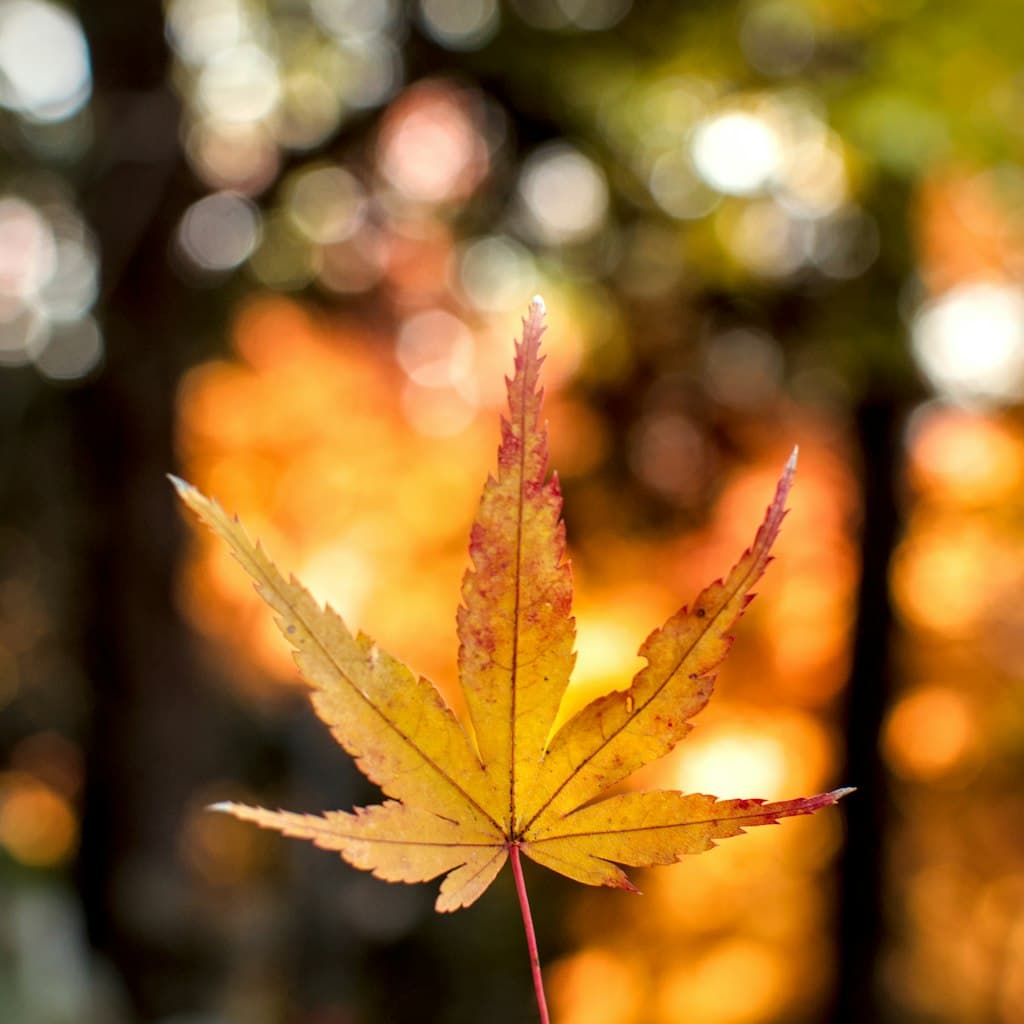
Fall offers a rare blend of natural introspection and cultural permission to try something new. By setting clear intentions, curating experiences that nourish your soul, investing in friendships, honoring yourself with deliberate self‑dates, and guarding against loneliness with compassionate tools, you design a season that feels authentically yours. Remember, the goal isn’t to avoid partnership altogether—it’s to arrive at any future connection from a place of wholeness, excitement, and self‑trust. Embrace the crisp air, the amber light, and the quiet power of a life you’ve deliberately crafted. This fall, let your story be one of intention, joy, and unapologetic self‑ownership.
Questions about Single Life
Is being single bad for your health?
Older studies claiming a partnership benefit largely failed to separate marriage from social connection and income. More recent work finds the health signal is social support and financial stability, both of which single people can and do have.
How do I deal with pressure from family about being single?
Short, warm, repeated answers work better than justifications. A brief line delivered the same way each time removes the reward of a reaction, and explaining yourself in detail invites negotiation about a decision that is not up for negotiation.
How do you know if you are single by choice?
Ask whether you are declining specific people for specific reasons, or declining everyone in advance. Choice looks like turning down a real option; avoidance looks like never having one.
Keep reading
- Guide: Rebuilding Self-Worth: How to Stop Settling and Start Choosing
- Guide: The Intentional Dating Guide: How to Date with Purpose, Not Just Hope

Single Life
Financial Freedom for Single Women: Building Your Independent Future
Financial stability is a cornerstone of an empowered single life. This article outlines key strategies for single women to manage finances, build wealth, and secure their…
Summary of The New York Times · 11 min read

Single Life
Understanding Your Attachment Style as a Single Woman
Your attachment style profoundly influences how you experience singlehood and dating. This article explores the different attachment styles and offers insights for navigating…
Summary of Attachment Project · 8 min read

Single Life
Dating While Single: How to Navigate the Modern Landscape Without Losing Yourself
Re-entering the dating scene as a single woman can be daunting. This article provides practical strategies for maintaining your identity, setting healthy boundaries, and…
Summary of Glamour · 15 min read
Comments
No comments yet.