Single Life · 18 min read
The Art of Self-Care for the Single Woman: Prioritizing Your Well-being in March 2021
In the midst of life's demands, self-care can feel like a luxury. This article argues it's a necessity for single women, particularly in the evolving social climate of March 2021.
Dr. Emily Carter · March 16, 2021
Our take
Let's be real: dating in the modern world can feel like a full-time job, especially when you're also juggling career ambitions, friendships, and, you know, basic human existence. It’s easy to put yourself last, to feel like you need to be constantly "on" or available to land that perfect match. But here at Next Boyfriend, we’re calling BS on that narrative. Prioritizing your well-being isn't just a nice idea; it's the non-negotiable foundation for attracting healthy relationships and truly thriving, whether you're single, coupled up, or somewhere in between.
Key takeaways
- In the whirlwind of modern life, the concept of "self-care" has often been relegated to spa days and expensive indulgences.
- For generations, women have been conditioned to be caregivers, nurturers, and givers.
- One of the most liberating aspects of self-care is that it isn't a one-size-fits-all solution.
- Among the most challenging, yet profoundly empowering, aspects of self-care is the establishment of healthy boundaries.
Rediscovering Your Radiance: Why Self-Care Isn't a Luxury, It's Your Superpower
In the whirlwind of modern life, the concept of "self-care" has often been relegated to spa days and expensive indulgences. It's painted as a treat, a reward, something you earn only after every other demand on your time and energy has been met. For the single woman, navigating a world that often assumes she's "looking for someone" or that her life is incomplete without a partner, this pressure can be amplified. There's a subtle, insidious message that her focus should always be outward, toward finding connection, rather than inward, toward nurturing herself.
However, as highlighted in a pertinent piece by Dr. Emily Carter on Healthline in March 2021, self-care is not merely a luxury; it is a fundamental necessity. That original article, published during a period of significant global and social upheaval, underscored a truth that resonates just as powerfully today: prioritizing your well-being is the bedrock upon which you build resilience, happiness, and ultimately, a fulfilling life—with or without a partner.
This isn't about ignoring your desire for connection or dismissing the joys of partnership. Rather, it's about understanding that the best version of you—the one who attracts genuine connection, sets healthy boundaries, and radiates confidence—is the version that is consistently cared for. It's about cultivating a life so rich and robust on your own terms that any partnership becomes an enhancement, not a desperate fill-in-the-gap. The evolving social climate of 2021 may have emphasized this during a time of isolation and uncertainty, but its wisdom remains a guiding light for every woman forging her path today.
Debunking the Myth: Selfishness vs. Self-Preservation
For generations, women have been conditioned to be caregivers, nurturers, and givers. Our value is often subtly, or not so subtly, tied to how much we do for others. This deeply ingrained societal expectation makes the very idea of putting ourselves first feel inherently "selfish." We worry about letting people down, being perceived as difficult, or neglecting responsibilities if we dare to carve out time for our own needs. This myth that prioritizing your well-being is selfish is perhaps the biggest barrier to consistent self-care.
But let's be crystal clear: self-care is not selfish. It is self-preservation. It is an act of recognizing your inherent worth and safeguarding your mental, emotional, and physical resources. Imagine trying to drive a car with no fuel in the tank, or trying to operate a smartphone with a dead battery. It's simply not possible. In the same vein, consistently pouring from an empty cup leads to burnout, resentment, diminished joy, and a less vibrant version of yourself. When you are depleted, you are less effective at work, less present with friends and family, and significantly less equipped to engage in the vulnerable and sometimes challenging world of dating.
Dr. Carter's original piece wisely positioned self-care as a "fundamental pillar of resilience and happiness, especially when navigating life solo." When you're single, you are often your primary support system. There's no partner to pick up the slack when you're overwhelmed, no automatic sounding board for your daily stresses. This independence is a tremendous strength, but it also necessitates a proactive approach to your own well-being. Investing in yourself ensures you have the emotional fortitude to weather life's storms, celebrate its joys, and show up authentically in every interaction, including those crucial early dating encounters. A woman who knows her worth and actively protects it exudes a powerful attractiveness that transcends superficial qualities.
Crafting Your Personal Sanctuary: Tailoring Your Self-Care Routine
One of the most liberating aspects of self-care is that it isn't a one-size-fits-all solution. What brings peace and rejuvenation to one woman might feel like a chore to another. The original Healthline article emphasized finding what resonates with each individual, and this remains a crucial insight. Your self-care routine should be as unique as you are, a bespoke collection of practices that genuinely replenish your spirit and energize your body.
The scope of self-care is vast, extending far beyond the stereotypical bubble bath, though there’s certainly nothing wrong with a good soak! It encompasses a spectrum of practices designed to nourish different facets of your being:
Mindfulness and Meditation: In a world of constant digital stimulation, finding moments of quiet can be revolutionary. This could involve guided meditations (apps like Calm or Headspace are excellent starting points), journaling your thoughts and feelings, or simply dedicating five minutes each day to mindful breathing. The goal is to bring your awareness to the present moment, reducing anxiety and fostering inner peace. For daters, a calm mind enhances presence, allowing you to truly listen and connect during conversations, rather than being distracted by internal anxieties.
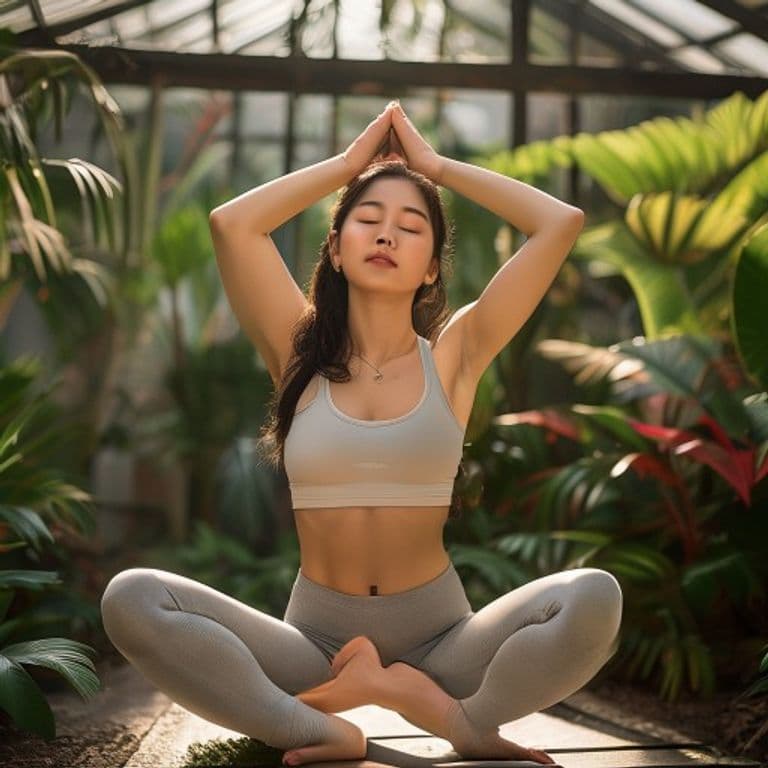
Physical Activity: Moving your body isn't just about fitness; it's a potent stress reliever and mood booster. Whether it's a brisk walk in nature, a high-energy dance class, a calming yoga session, or hitting the gym, find an activity that you genuinely enjoy. The endorphins released during exercise are natural antidepressants, and the sense of accomplishment builds self-esteem. Confidence in your body, and the energy it provides, makes you more open and engaged when meeting new people.
Creative Expression: Tapping into your creative side can be incredibly therapeutic. This might mean painting, writing poetry, learning a musical instrument, cooking a new recipe, or even engaging in elaborate DIY projects. Creative outlets provide an avenue for self-expression, problem-solving, and a sense of flow that can be deeply meditative. It’s an opportunity to connect with your inner child and cultivate joy for joy’s sake.
Intellectual Stimulation: Feed your mind. Dive into a captivating book, take an online course in a subject that intrigues you, listen to an educational podcast, or engage in stimulating conversations. Learning and growing keeps your perspective fresh and your mind sharp, making you a more interesting and engaged individual, which naturally spills over into your social and dating life.
Healthy Social Connection: While often associated with external focus, intentional social connection is a vital form of self-care. This means cultivating relationships with friends and family who uplift you, respect your boundaries, and genuinely bring you joy. It's about choosing quality over quantity, and knowing when to say "no" to draining social obligations. Having a strong, supportive circle reduces feelings of loneliness and provides a crucial emotional safety net. This foundation of healthy platonic relationships also serves as a benchmark for what you seek in romantic partners.
Digital Detox: Our screens are powerful tools, but they can also be significant sources of stress and comparison. Regularly disconnecting from social media, news feeds, and even dating apps can significantly improve your mental health. Set boundaries around screen time, designate tech-free zones or hours, and reclaim your attention for real-world experiences. This practice helps reduce the anxiety of "FOMO" and comparison that often permeates the dating world.
Experimentation is key. Try different practices, pay attention to how they make you feel, and don't be afraid to adjust your routine as your needs evolve. Your self-care sanctuary is a dynamic space, designed by you, for you.
The Unspoken 'No': Mastering Boundaries for Your Mental Fortitude
Among the most challenging, yet profoundly empowering, aspects of self-care is the establishment of healthy boundaries. For many women, the idea of saying "no" evokes feelings of guilt, fear of rejection, or the worry of being perceived as difficult or unaccommodating. Yet, as Dr. Carter's original piece on Healthline underscored, learning to protect your time and energy is not just a polite suggestion; it's a critical strategy for mental health. Boundaries are not about keeping people out; they are about allowing you to control what you let in, ensuring your inner world remains a sanctuary, not a revolving door for external demands.
The struggle to set boundaries is often rooted in societal conditioning that encourages women to prioritize the needs of others. This can manifest in myriad ways: overcommitting to social engagements you’d rather skip, taking on extra work that isn’t truly yours, or allowing dating prospects to disrespect your time or feelings. The consequence of a lack of boundaries is a slow but steady erosion of your energy, an accumulation of resentment, and ultimately, burnout.
Practical strategies for establishing healthy boundaries are essential:
- Identify Your Energy Drains: Start by recognizing what activities, people, or situations consistently leave you feeling drained, anxious, or unfulfilled. This self-awareness is the first step toward reclaiming your power.
- Practice Saying "No": It might feel awkward at first, but practice makes it easier. You don't always need a lengthy explanation. A simple, "I appreciate the invitation, but I won't be able to make it," or "I'm not able to take that on right now" is often sufficient. If you feel compelled to explain, keep it brief and focused on your capacity, not an excuse. For example, "I need that time for myself," or "I've already committed to prioritizing my rest."
- Protect Your Time with Intent: Just as you block out work meetings, block out time for yourself. Schedule your self-care activities, your downtime, and your personal projects. Treat these appointments with yourself with the same respect you'd give to any other important engagement. This might mean setting specific "no work email" hours, or designating evenings for personal pursuits only.
- Establish Digital Boundaries: Our phones are constant portals for intrusion. Set notification boundaries, create "do not disturb" periods, and be intentional about when and how you engage with social media or dating apps. It's okay to not respond immediately to every text or swipe, especially if it means protecting your peace.
- Communicate Your Needs Clearly: Whether it's with friends, family, colleagues, or potential partners, articulate your boundaries clearly and calmly. For instance, in dating, if a potential partner consistently messages late at night when you've expressed a need for rest, politely reiterate your boundary: "I really enjoy chatting with you, but I switch off my phone by 10 PM to ensure I get good sleep. Let's pick this up tomorrow."
Mastering the art of boundaries isn't just about protecting your mental health; it's a powerful statement of self-worth. In the dating world, demonstrating strong boundaries early on signals to potential partners that you respect yourself, and you expect the same in return. It filters out those who seek to exploit your generosity and attracts individuals who value your autonomy and well-being. A woman with clear boundaries is not difficult; she is discerning, confident, and knows exactly what she brings to the table.
Fueling Your Future: The Enduring Rewards of Consistent Self-Care
The benefits of consistent self-care extend far beyond immediate relief; they weave into the very fabric of your life, creating a tapestry of resilience, joy, and profound satisfaction. As the original Healthline article emphasized, the long-term rewards are substantial: reduced stress, improved mood, increased energy levels, and a greater sense of overall life satisfaction. These aren't just feel-good platitudes; they are the fundamental building blocks of a life well-lived, and they are especially crucial for the single woman carving out her own path.
Imagine a life where daily stressors don't send you spiraling, where you greet each morning with a genuine sense of optimism, and where you possess the mental and physical stamina to pursue your passions. This is the promise of consistent self-care. When you regularly engage in practices that replenish you, your stress response system calms down, your body's "fight or flight" mechanism is less frequently triggered, leading to lower levels of cortisol and a greater sense of calm. This sustained peace significantly reduces the risk of chronic stress-related illnesses and improves your overall physical health.
Improved mood is another undeniable outcome. Self-care practices like exercise, mindfulness, creative expression, and healthy social connection all contribute to the release of mood-boosting neurotransmitters like serotonin and dopamine. This means fewer dips into sadness or anxiety, and a more consistent baseline of happiness and contentment. For the single woman, this inner joy means you're less susceptible to the emotional rollercoasters that can accompany dating, less likely to internalize rejections, and more likely to see the inherent fun and adventure in meeting new people.
Increased energy levels are a direct result of nourishing your mind and body. When you're well-rested, mentally stimulated, and physically active, you have more reserves for everything life throws your way. This translates into greater productivity at work, more vibrant social interactions, and the vitality to engage in hobbies and activities that truly light you up. In dating, this energy is magnetic. It allows you to be fully present, engage in stimulating conversations, and embark on new experiences with enthusiasm, rather than showing up feeling depleted and distracted.
Ultimately, consistent self-care culminates in a greater sense of overall life satisfaction. When you feel good in your own skin, when your needs are met, and when you're living in alignment with your values, a deep sense of contentment takes root. This isn't dependent on external validation or the presence of a partner; it's an intrinsic knowing that you are capable, worthy, and living a meaningful existence. This profound satisfaction radiates outward, making you an incredibly attractive individual, drawing in healthy connections, and creating a life that feels abundant regardless of your relationship status. You become the architect of your own happiness, and that is truly powerful.
Navigating the Dating Landscape with a Full Cup
For the "Next Boyfriend" woman, understanding how self-care directly impacts your dating life is paramount. When you're consistently practicing self-care, you're not just a better version of yourself for you; you're a better version of yourself for everyone, especially those you might consider inviting into your life.
Imagine embarking on a date feeling refreshed, confident, and genuinely happy. You're not looking for someone to "complete" you or fill a void; you're looking for someone to share life's adventures with, from a place of wholeness. This fundamental shift in perspective changes everything. You become more discerning, less prone to settling for less than you deserve. You're better equipped to recognize red flags because your emotional intelligence is high, and your boundaries are firm. You won't confuse a fleeting spark with genuine compatibility if your self-worth isn't on the line.
Self-care cultivates resilience, which is an invaluable asset in the often-unpredictable world of dating. Rejections, ghosting, or simply mismatched expectations can be tough, but a woman who nurtures herself has the emotional toolkit to bounce back. She understands that one disappointing interaction doesn't define her worth or derail her entire journey. She has an inner well of strength to draw upon, allowing her to dust herself off, learn from the experience, and confidently step back into the dating arena.
Furthermore, a woman committed to her self-care journey often attracts partners who similarly prioritize their well-being. Like attracts like. When you embody self-respect and intentional living, you send a clear signal about the kind of person you are and the kind of relationship you seek. You’re less likely to fall into patterns of codependency or unhealthy dynamics because you’re not seeking external validation. Instead, you seek an equitable, respectful partnership built on mutual growth and genuine connection.
Self-Care Beyond the Bubble: Integrating into Daily Life
The beauty of true self-care is that it isn't something you reserve for a dedicated "self-care day" once a month. While grand gestures are lovely, the most impactful self-care is often found in the small, consistent actions you weave into your everyday life. It's about creating a lifestyle that inherently supports your well-being, rather than constantly battling against depletion.
Think of it as micro-moments of self-care. Can you take five minutes to stretch when you wake up? Can you sip your coffee mindfully instead of scrolling through your phone? Can you take a short walk during your lunch break? Can you turn off work notifications after 6 PM? These seemingly minor adjustments accumulate over time, creating a powerful buffer against stress and fostering a sustained sense of peace.
Integration also means listening to your body and mind throughout the day. If you feel overwhelmed, take a brief pause. If you're feeling sluggish, opt for movement. If your mind is racing, jot down your thoughts. This responsiveness to your own needs, in real-time, transforms self-care from a task into an intuitive way of living. It's about developing a profound relationship with yourself, understanding your rhythms, and honoring your inner wisdom.
The Single Woman's Advantage: Thriving, Not Just Surviving
Being single in a society that often romanticizes coupling can sometimes feel like a waiting game or a state of incompleteness. But this perspective fundamentally misses the profound opportunity inherent in singlehood. For the woman who intentionally embraces self-care, being single isn't a disadvantage; it's a powerful advantage, a dedicated period for unparalleled self-discovery, growth, and unapologetic self-love.
This time offers a unique freedom to explore your passions without compromise, to build your career trajectory exactly as you envision it, to cultivate deep friendships, and to travel or live exactly where and how you choose. When you anchor this freedom with consistent self-care, you transform singlehood from a temporary state into a rich, fulfilling chapter of thriving. You become whole, complete, and deeply content on your own terms.
This isn't about rejecting partnership; it's about entering it from a position of strength, not need. It means that when the right connection comes along, it will be an addition to an already vibrant life, not the sole source of your happiness. You will be a partner who brings a full, well-nourished self to the table, capable of independent joy and equally capable of deep connection. This is the ultimate empowerment: knowing that your happiness and well-being are always within your control, regardless of external circumstances.
Your Self-Care Blueprint: A Starting Point
Ready to begin or deepen your self-care journey? Here are some actionable steps to get you started:
- Audit Your Time: For one week, track how you spend your time. Where are your energy leaks? Where could you reclaim moments for yourself?
- Identify Your Top 3 Stressors: What consistently drains you? Brainstorm one small self-care practice that directly addresses each one.
- Schedule It In: Pick one self-care activity and put it on your calendar for the next week. Treat it as non-negotiable.
- Learn to Say "No": Identify one area where you typically overcommit and practice politely declining an invitation or request. Start small.
- Digital Detox Challenge: Choose one hour a day or one evening a week to completely disconnect from all screens.
- Morning Ritual: Develop a simple 5-10 minute morning ritual that nourishes you (e.g., mindful breathing, gratitude journaling, stretching).
- Listen to Your Body: Pay attention to hunger cues, fatigue, and emotional signals. Respond with compassion, not judgment.
Remember, this is a journey, not a destination. There will be days you excel and days you falter. The key is consistent effort and self-compassion.
Conclusion: Your Well-being, Your Power
The path of the modern single woman is one of immense potential, freedom, and strength. By wholeheartedly embracing the art of self-care—not as a luxury, but as a non-negotiable necessity—you unlock your deepest resilience, cultivate authentic happiness, and create a life that feels profoundly satisfying. As Dr. Emily Carter and Healthline so aptly reminded us during a time of global uncertainty, prioritizing your well-being isn't selfish; it's the most powerful act of self-love you can commit.
When you show up for yourself, you empower yourself to show up authentically in every aspect of your life—including the exciting, sometimes messy, and ultimately rewarding world of dating. A woman who is vibrant, confident, and deeply rooted in her own well-being is not just looking for a next boyfriend; she's building an incredible life, and anyone fortunate enough to join her will simply be enhancing an already magnificent story. Your well-being is your power. Own it, nurture it, and let it shine.
Questions about Single Life
Is being single bad for your health?
Older studies claiming a partnership benefit largely failed to separate marriage from social connection and income. More recent work finds the health signal is social support and financial stability, both of which single people can and do have.
How do I deal with pressure from family about being single?
Short, warm, repeated answers work better than justifications. A brief line delivered the same way each time removes the reward of a reaction, and explaining yourself in detail invites negotiation about a decision that is not up for negotiation.
How do you know if you are single by choice?
Ask whether you are declining specific people for specific reasons, or declining everyone in advance. Choice looks like turning down a real option; avoidance looks like never having one.
Keep reading
- Guide: Rebuilding Self-Worth: How to Stop Settling and Start Choosing
- Guide: The Intentional Dating Guide: How to Date with Purpose, Not Just Hope

Single Life
Financial Freedom for Single Women: Building Your Independent Future
Financial stability is a cornerstone of an empowered single life. This article outlines key strategies for single women to manage finances, build wealth, and secure their…
Summary of The New York Times · 11 min read

Single Life
Understanding Your Attachment Style as a Single Woman
Your attachment style profoundly influences how you experience singlehood and dating. This article explores the different attachment styles and offers insights for navigating…
Summary of Attachment Project · 8 min read

Single Life
Dating While Single: How to Navigate the Modern Landscape Without Losing Yourself
Re-entering the dating scene as a single woman can be daunting. This article provides practical strategies for maintaining your identity, setting healthy boundaries, and…
Summary of Glamour · 15 min read
Comments
No comments yet.