Single Life · 8 min read
The Art of Solo Travel: Discovering the World (and Yourself) on Your Own Terms
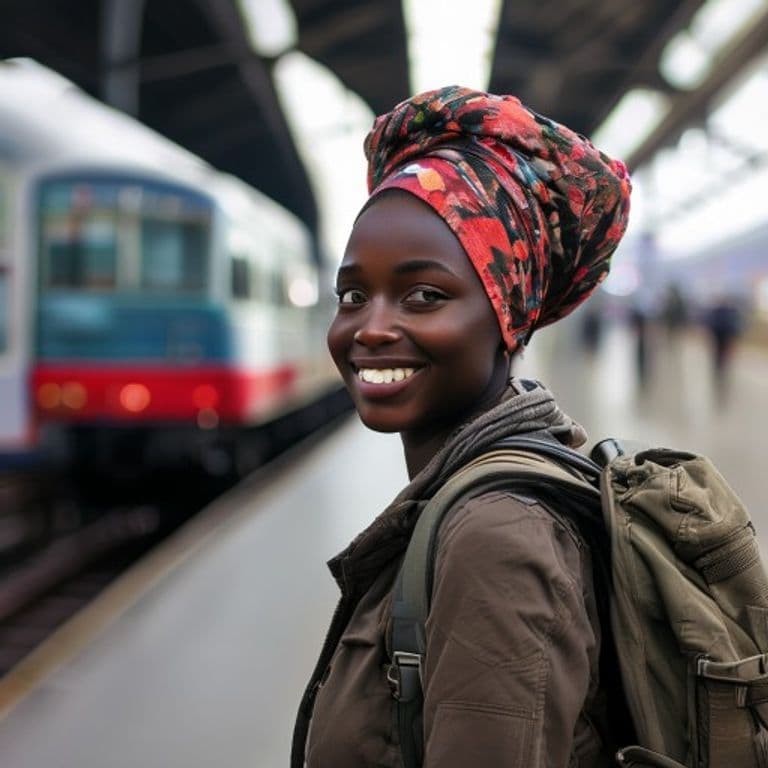
Traveling alone can be a transformative experience. This article encourages single women to embrace solo adventures, highlighting the freedom, self-discovery, and confidence that comes with exploring the world independently.
Maria Rodriguez · February 21, 2023
Our take
Solo travel isn’t just a passport stamp; it’s a masterclass in self‑trust that rewires how you show up in love and life. When a woman learns to navigate foreign streets on her own terms, she discovers a reservoir of confidence that makes dating feel less like a gamble and more like a genuine connection. This article unpacks why every single woman should consider a solo adventure—not as an escape from relationships, but as a powerful way to bring her most authentic self into them.
Key takeaways
- The notion of setting off alone can stir a mix of excitement and apprehension, especially for women who have spent years balancing careers, friendships, and the search for a partner.
- For many single women, the pressure to “find someone” can inadvertently sideline the journey of finding oneself.
- Psychologists often describe solo travel as a form of “identity tourism,” where the removal of familiar social cues allows travelers to experiment with facets of their personality that remain dormant at home.
- Safety remains the top concern for women contemplating solo trips, but preparation can transform anxiety into empowerment.
Introduction
The notion of setting off alone can stir a mix of excitement and apprehension, especially for women who have spent years balancing careers, friendships, and the search for a partner. Yet research from the U.S. Travel Association shows that solo trips among women aged 25‑45 have risen 38% over the past five years, signaling a cultural shift toward self‑directed exploration. Far from being a lonely endeavor, solo travel offers a rare canvas where you can paint your itinerary, test your limits, and listen to the quiet voice inside that often gets drowned out by daily noise. In the pages that follow, we’ll explore how this practice cultivates the very qualities—self‑reliance, curiosity, and resilience—that enrich both personal growth and romantic relationships.
Why Solo Travel Matters for Single Women
For many single women, the pressure to “find someone” can inadvertently sideline the journey of finding oneself. Solo travel flips that script: it places you squarely in the driver’s seat of your own narrative, encouraging decisions based on desire rather than expectation. A 2022 study in the Journal of Positive Psychology found that individuals who engaged in solitary leisure activities reported higher levels of self‑authenticity and lower social anxiety compared to those who always traveled with companions. When you choose a destination, book a hostel, and navigate a subway system alone, you reinforce the belief that you are capable of steering your life—an attitude that translates directly into healthier dating standards and clearer boundaries.
The Psychology of Going Alone
Psychologists often describe solo travel as a form of “identity tourism,” where the removal of familiar social cues allows travelers to experiment with facets of their personality that remain dormant at home. Dr. Samantha Brooks, a clinical psychologist specializing in adventure therapy, notes that the novelty of unfamiliar environments triggers the brain’s dopamine system, enhancing mood and reinforcing a sense of accomplishment. Moreover, the inevitable hiccups—missed trains, language barriers, sudden weather shifts—serve as low‑stakes problem‑solving drills that build emotional resilience. Over time, these micro‑challenges rewire the stress response, making everyday uncertainties feel less threatening and more manageable.
Safety Strategies: Trust Your Instincts
Safety remains the top concern for women contemplating solo trips, but preparation can transform anxiety into empowerment. Start by researching destination‑specific safety scores on platforms like the Global Peace Index and reading recent traveler forums for real‑time insights. Share your itinerary with a trusted friend or family member and set up regular check‑ins via a messaging app. Invest in a reliable portable charger, a discreet money belt, and learn a few key phrases in the local language—such as “I need help” or “Where is the nearest police station?”—to bridge communication gaps. Most importantly, cultivate situational awareness: if a situation feels off, honor that gut feeling and remove yourself without apology; intuition is a finely tuned survival tool honed by evolution.
Budget‑Friendly Solo Adventures
Contrary to the myth that solo travel is inherently expensive, going alone can actually be more cost‑effective than group travel when you leverage flexibility. Hostels with mixed‑gender dorms often offer the lowest rates, but many now provide female‑only floors for added comfort. Use fare‑comparison tools to snag flash sales on flights, and consider alternative accommodations like vetted homestays or house‑sitting platforms, which frequently include kitchen access—saving money on meals. Travel during shoulder seasons (late spring or early fall) to enjoy lower prices, thinner crowds, and pleasant weather. Finally, adopt a “pay‑as‑you‑go” mindset: prioritize experiences that genuinely excite you over tourist traps, and you’ll find that your budget stretches further while your satisfaction soars.
Building Confidence Through Navigation
There’s a unique pride that comes from figuring out a subway map in a foreign language or haggling at a bustling market without a guide. Each successful navigation act reinforces a mental model of competence: “I can handle unfamiliar terrain.” Cognitive behavioral therapists recommend setting small, achievable goals each day—like finding a specific museum exhibit or ordering a meal solely in the local tongue—to accumulate evidence of capability. Over a week or two, these victories compound, boosting self‑efficacy, a psychological construct strongly linked to persistence in relationships and career pursuits. The confidence gained on the road often shows up as a calmer demeanor during first dates, a willingness to voice needs, and a reduced fear of rejection.
Making Authentic Connections Abroad
Traveling solo paradoxically makes you more approachable to locals and fellow wanderers. Without the safety net of a companion, you’re more likely to strike up conversations in cafés, join group tours, or accept invitations to community events. A 2021 survey by Hostelworld revealed that 72% of solo travelers reported forming meaningful friendships that lasted beyond the trip, with many citing shared vulnerability as the bonding catalyst. To foster these connections, practice active listening: ask open‑ended questions about the person’s story, share a genuine anecdote from your own journey, and express gratitude for their time. These interactions not only enrich your travel experience but also sharpen interpersonal skills—like empathy and conversational agility—that are invaluable when dating.
Embracing Solitude: Dealing with Loneliness
Even the most seasoned solo adventurer encounters moments of loneliness, especially during quiet evenings or long transit periods. Rather than viewing loneliness as a flaw, reframe it as an invitation to deepen self‑awareness. Journaling, meditation, or simply observing the surroundings can transform solitude into a fertile ground for insight. Experts suggest the “3‑minute rule”: when a lonely thought arises, pause for three breaths, label the emotion (“I’m feeling lonely”), and then choose a small action—sketching a scene, sending a postcard, or exploring a nearby park—to shift focus. Over time, you’ll learn that solitude isn’t emptiness; it’s a spaciousness where you can hear your own values, dreams, and boundaries more clearly.
Real‑Life Stories: Transformative Journeys
Consider Maya, a 29‑year‑old marketing manager who spent two weeks trekking through the Patagonian Andes alone. She returned with a renewed sense of direction, having realized that her fear of commitment stemmed from a deeper fear of losing autonomy. That insight led her to communicate her need for personal space more openly in her current relationship, fostering a healthier balance. Then there’s Aisha, a 34‑year‑old teacher who spent a month volunteering at a rural school in Vietnam. The daily interactions with students and villagers helped her confront her tendency to people‑please, empowering her to set firmer limits with friends and partners alike. These narratives illustrate how solo travel can act as a mirror, revealing patterns that, once acknowledged, can be reshaped for more fulfilling connections.
How Solo Travel Shapes Your Dating Life
The skills honed on solo journeys—decision‑making, adaptability, and self‑advocacy—directly enhance dating dynamics. When you’re accustomed to making choices based on your own preferences rather than group consensus, you’re less likely to settle for mismatched partners out of fear of being alone. Moreover, the stories you collect abroad become natural conversation starters, showcasing curiosity and a zest for life that attract like‑minded individuals. Data from the dating app Bumble indicates that profiles mentioning solo travel receive 27% more right swipes, suggesting that potential partners view such experiences as markers of independence and emotional maturity. Ultimately, the confidence cultivated on the road helps you approach dating from a place of wholeness rather than scarcity.
Bringing the Lessons Home: Applying Travel Insights to Relationships
The true value of solo travel lies not in the passport stamps but in the habits you bring back. Start by integrating micro‑adventures into your routine: a solo hike on a nearby trail, a weekend museum visit alone, or a cooking class where you go without a plus‑one. These practices reinforce the self‑reliance muscle, preventing the drift into relational dependence. Communicate openly with partners about your need for occasional solo time; frame it as a way to recharge and show up more fully in the relationship. Finally, let the stories of your travels inspire shared dreams—plan a future trip together, or simply reminisce over photos, using those memories as a foundation for deeper intimacy.
Conclusion: Your Next Step Awaits
Solo travel is more than a getaway; it’s a deliberate investment in the most important relationship you’ll ever have—the one with yourself. By embracing the freedom to wander alone, you cultivate confidence, sharpen intuition, and gather a treasure trove of experiences that enrich every facet of life, love included. So, whether it’s a weekend escape to a neighboring city or a month‑long odyssey across continents, let the next chapter begin with a single step taken on your own terms. The world is waiting, and so is the version of you that’s ready to meet it—bold, curious, and utterly unapologetic.
Questions about Single Life
Is being single bad for your health?
Older studies claiming a partnership benefit largely failed to separate marriage from social connection and income. More recent work finds the health signal is social support and financial stability, both of which single people can and do have.
How do I deal with pressure from family about being single?
Short, warm, repeated answers work better than justifications. A brief line delivered the same way each time removes the reward of a reaction, and explaining yourself in detail invites negotiation about a decision that is not up for negotiation.
How do you know if you are single by choice?
Ask whether you are declining specific people for specific reasons, or declining everyone in advance. Choice looks like turning down a real option; avoidance looks like never having one.
Keep reading
- Guide: Rebuilding Self-Worth: How to Stop Settling and Start Choosing
- Guide: The Intentional Dating Guide: How to Date with Purpose, Not Just Hope

Single Life
Financial Freedom for Single Women: Building Your Independent Future
Financial stability is a cornerstone of an empowered single life. This article outlines key strategies for single women to manage finances, build wealth, and secure their…
Summary of The New York Times · 11 min read

Single Life
Understanding Your Attachment Style as a Single Woman
Your attachment style profoundly influences how you experience singlehood and dating. This article explores the different attachment styles and offers insights for navigating…
Summary of Attachment Project · 8 min read

Single Life
Dating While Single: How to Navigate the Modern Landscape Without Losing Yourself
Re-entering the dating scene as a single woman can be daunting. This article provides practical strategies for maintaining your identity, setting healthy boundaries, and…
Summary of Glamour · 15 min read
Comments
No comments yet.