Relationship Psychology · 10 min read
The Impact of Social Media on Relationship Perceptions in June
In an era dominated by curated online lives, how does social media influence our perceptions of relationships? This article examines the psychological effects of social media on dating and romantic connections.
Maya Rodriguez · June 17, 2023
Our take
Let's be real: navigating the dating landscape in the age of curated perfection can feel like trying to find your keys in a glitter bomb. Every scroll, every perfectly filtered photo of a "couple goals" scenario, can subtly shift our expectations and leave us wondering if our own messy, beautiful reality is just... not enough. At Next Boyfriend, we believe your love story deserves to be authentic, not an imitation of someone else's highlight reel. This piece dives deep into how those endless feeds can warp our perceptions and, more importantly, how to reclaim your narrative and build a relationship that feels like you.
Key takeaways
- In today's hyper-connected world, social media isn't just a platform for sharing vacation photos or Sunday brunch plates; it's become a pervasive lens through which we view our own lives, and perhaps most significantly…
- One of the most significant psychological effects of social media on relationships, as highlighted by Rodriguez, is social comparison.
- Beyond direct comparison, social media also fuels the ubiquitous fear of missing out (FOMO), especially in the dating realm.
- Social media offers a tantalizing illusion of transparency.
The Filtered Reality: How Social Media Rewrites Our Relationship Rulebook
In today's hyper-connected world, social media isn't just a platform for sharing vacation photos or Sunday brunch plates; it's become a pervasive lens through which we view our own lives, and perhaps most significantly, our romantic relationships. As Maya Rodriguez explored in her original piece on Bcpublication, the carefully curated highlight reels that dominate our feeds can profoundly influence how we perceive dating and romantic connections. This isn't about demonizing social media outright, but about understanding its subtle, yet powerful, psychological impact. For women navigating the often-treacherous waters of modern dating, recognizing these influences is the first step towards fostering genuine connection and building a love life that truly resonates with our authentic selves.
The Perils of the Perfect Post: Social Comparison and Relationship Dissatisfaction
One of the most significant psychological effects of social media on relationships, as highlighted by Rodriguez, is social comparison. We are constantly bombarded with idealized portrayals of couples: the candlelit dinners, the spontaneous weekend getaways, the declarations of undying love against a backdrop of breathtaking scenery. While these moments might be genuine, they represent a sliver of reality, meticulously chosen and polished for public consumption. When we continuously compare these curated highlights to the everyday ebb and flow of our own relationships – the mundane Tuesday nights, the occasional disagreements, the quiet comfort of shared routines – it’s easy to feel that our own connections are somehow lacking. This constant barrage can breed feelings of inadequacy, envy, and a deep-seated dissatisfaction, even when our relationships are healthy and fulfilling. It's like comparing a blockbuster movie trailer to the actual, often more nuanced, film of your life.
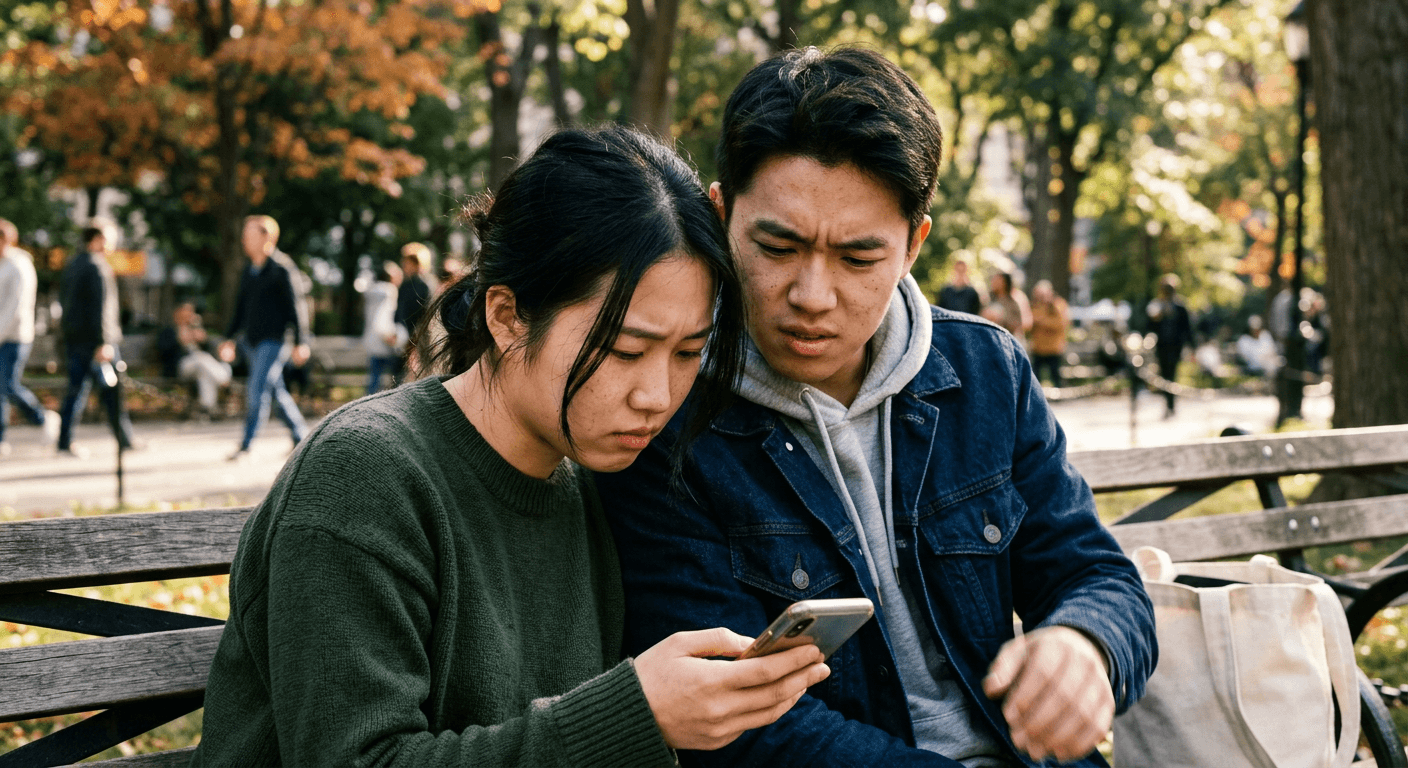
Imagine Sarah, a bright and vivacious woman who recently entered a new relationship. She’s genuinely happy, but her Instagram feed is a constant stream of her friends’ seemingly perfect romances: engagement announcements, lavish anniversary trips, and gushing captions about soulmates. Sarah starts to feel a pang of doubt. Her boyfriend, while sweet and attentive, hasn’t whisked her away to Paris yet. They haven't declared their undying love in public forum. Suddenly, her own burgeoning love story feels less significant, less "real," because it doesn't mirror the extravagant narratives she sees online. This is the insidious nature of social comparison – it erodes our appreciation for what we have by presenting an unattainable benchmark.
FOMO: The Dating World's Constant Companion
Beyond direct comparison, social media also fuels the ubiquitous fear of missing out (FOMO), especially in the dating realm. Seeing friends or acquaintances seemingly locking down "the one" with effortless grace can create a palpable pressure. This pressure isn't just about wanting to be in a relationship; it's about wanting to be in the right kind of relationship, the kind that looks as good online as it supposedly feels in real life. This can lead to a hurried search for a partner, or worse, settling for someone who checks a few boxes but doesn't truly align with our desires or values, simply to quell the anxiety of being "left behind." The algorithm, in its infinite wisdom, seems to amplify this feeling, serving up more "couple goals" content when you're feeling most vulnerable.
Consider David, who is enjoying his single life but notices his friends pairing off and posting about their "happily ever afters." He starts feeling a restless urge to find someone, not necessarily because he's lonely, but because the online narrative suggests that being partnered is the ultimate status symbol. He finds himself going on dates with people he knows aren't a great fit, just to have something to potentially post about, or to feel like he's participating in the "relationship game" as successfully as his peers. This manufactured urgency, driven by the curated experiences of others, can lead to a series of less-than-ideal romantic pursuits, ultimately hindering his chances of finding genuine connection.
The Illusion of Transparency: Knowing More Than We Do
Social media offers a tantalizing illusion of transparency. We see snippets of conversations, read public declarations, and observe interactions, leading us to believe we have an intimate understanding of someone else's relationship. This perceived insight can be dangerously misleading. We might form judgments about couples based on their online persona, assuming their lives are as seamless as their filtered photos suggest. This can lead to misguided assumptions about what constitutes a "good" relationship and can, in turn, influence our own expectations and behaviors. We forget that what we're seeing is a carefully crafted performance, designed to present a specific image.
Think about Emily, who follows a couple on Instagram that always seems to be on exotic vacations and sharing adorable selfies. She admires their apparent perfect harmony and often uses their posts as a benchmark for her own relationship’s "excitement level." She doesn't realize that behind the curated feed, the couple might be facing significant financial strain from their constant travels, or that their public displays of affection mask underlying communication issues. Emily's perception of their relationship is entirely constructed from a few carefully selected moments, leading her to undervalue the quiet stability and genuine connection she shares with her own partner.
The Psychological Toll: How Our Brains React to the Digital Showcase
From a psychological perspective, this constant exposure to idealized relationships can trigger a range of negative emotional responses. Neuroscientists suggest that our brains are wired for social comparison; it's an evolutionary mechanism to assess our standing within a group. However, social media amplifies this tendency to an unprecedented degree. When we're constantly exposed to seemingly superior alternatives, our dopamine reward pathways can become dysregulated, leading to a cycle of seeking validation and experiencing dissatisfaction. The very platforms designed to connect us can inadvertently isolate us in a bubble of unrealistic expectations.
Research into the psychology of social media, like the insights offered by Maya Rodriguez, points to the fact that excessive use can lead to increased anxiety and depressive symptoms. When our real-world experiences consistently fall short of our online ideals, it can impact our self-esteem and our overall sense of well-being. This is particularly true for relationship satisfaction, where the gap between perceived online perfection and lived reality can become a significant source of distress.
Beyond the Likes: Reclaiming Your Authentic Relationship Narrative
The good news is that we are not powerless against these digital currents. The original piece from Bcpublication provides a crucial roadmap for navigating social media healthily, and it starts with a fundamental shift in our mindset. We need to actively disengage from the cycle of comparison and begin to appreciate the unique beauty of our own relationship journeys. This involves cultivating an awareness of our consumption habits and making conscious choices about how we interact with online content.
It’s about recognizing that the curated online world is a performance, not a documentary. While it can be a source of inspiration, it should never be the sole determinant of our own relationship's value or success. True connection, lasting love, and genuine happiness are built in the messy, imperfect, and often unphotographed moments of everyday life.
Practical Strategies for a Healthier Online Relationship Landscape
To truly protect our relationship well-being, we must implement practical strategies. As Maya Rodriguez wisely advises, the first step is to be mindful of comparisons. Actively remind yourself that what you see is a highlight reel, not the full, unedited movie. This mental reframing can significantly reduce the power of envy and inadequacy.
Secondly, prioritize real-life connections. Invest energy and time in building genuine, face-to-face relationships. The depth of connection forged through shared experiences, unfiltered conversations, and physical presence cannot be replicated by likes and comments. These real-world interactions ground us and provide a more accurate barometer of social connection.
Furthermore, set boundaries with your social media consumption. This could mean implementing screen time limits, unfollowing accounts that consistently trigger negative feelings, or designating "digital detox" periods. If you find yourself scrolling through relationship posts late at night and feeling a sense of dread, it's a clear sign that your consumption is negatively impacting your mood and perceptions.
Finally, and perhaps most importantly, focus on your own journey. Celebrate your own progress, your unique relationship path, and the individual growth you and your partner are experiencing. Your relationship is not a competition, and its success should be measured by your own internal compass, not by the external validation of social media metrics.
Navigating the Dating App Jungle with a Critical Eye
The impact of social media extends beyond our existing relationships; it deeply influences our dating experiences. Dating apps, themselves a form of curated online identity, are heavily influenced by the social media aesthetic. Profiles often feature perfectly posed photos, aspirational bios, and a general presentation designed to attract attention. This creates a landscape where superficial qualities can be prioritized, and genuine connection can be harder to find amidst the digital noise.
When we approach dating apps with the understanding that profiles are a form of personal branding, we can be more discerning. We can look beyond the polished exterior for clues about personality, values, and compatibility that might not be immediately apparent. This critical eye, informed by our awareness of social media's curated nature, can lead to more intentional swiping and more meaningful conversations.
The Power of Vulnerability in a Filtered World
In contrast to the filtered perfection often showcased online, the true strength of a relationship lies in vulnerability. Authentic connection thrives when we can be our imperfect selves, share our fears, and lean on each other during difficult times. Social media often encourages a façade of strength and happiness, making it harder for individuals to express their vulnerabilities, both within their relationships and in their public personas.
For women, this can be particularly challenging, as societal pressures often dictate a certain emotional presentation. By actively choosing to be vulnerable with our partners and encouraging them to do the same, we build a deeper, more resilient bond that is impervious to the superficiality of online validation. This authentic connection is the antithesis of the filtered reality.
Building Real Connection: The Foundation of a Lasting Love
Ultimately, the message from Maya Rodriguez's research and our own experience at Next Boyfriend is clear: while social media can be a tool for connection, it can also be a significant impediment to genuine, lasting love if we allow it to dictate our perceptions. The foundation of any healthy relationship lies not in the number of likes or followers, but in mutual respect, open communication, shared values, and the courage to be truly seen.
By consciously engaging with social media, setting firm boundaries, and prioritizing our real-world connections, we can reclaim our narrative. We can choose to celebrate the authentic beauty of our own relationships, imperfections and all, and build a love story that is truly our own – a story that unfolds in shared laughter, quiet moments of understanding, and unwavering support, far more valuable than any filtered snapshot. Let's aim to be present in our own lives, rather than just performing them for an online audience.
Questions about Relationship Psychology
What actually predicts whether a relationship lasts?
Behavioural patterns during conflict and everyday connection — the ratio of positive to negative interactions, the absence of contempt, whether repair attempts land, and whether partners turn toward rather than away from bids for attention.
Do opposites really attract?
Not in a way that lasts. Difference can be exciting early, but similarity in values, life goals, and conflict style predicts long-term satisfaction far better. The research consistently favours compatibility over complementarity.
Is chemistry a reliable signal?
It is a signal of arousal, not of fit. Intense early chemistry often reflects familiarity with a dynamic rather than compatibility — which is why anxious-avoidant pairings can feel electric and still be corrosive.
Keep reading
- Guide: The Four Horsemen: How to Recognize & Replace the Communication Patterns That Destroy Relationships
- Guide: Understanding Your Attachment Style: A Research-Based Guide to How You Love
- Guide: Emotional Intelligence in Relationships: The Skill That Matters More Than Attraction

Relationship Psychology
Finding the Right Online Therapy Format for Your Relationship
Finding the Right Online Therapy Format for Your Relationship Recommended products The Art and Science of Love – Virtual Events It was well-structured, and well-organized, and…
Summary of Gottman · 9 min read

Relationship Psychology
The Cognitive Load of Couples Therapy - The Gottman Institute
8 days ago · We know from the Gottman research that distressed couples do not hold steady between sessions or on a waiting list: they actively deteriorate, because living ...
Summary of Gottman · 10 min read

Relationship Psychology
What is Imposter Syndrome? - The Gottman Institute
What does couples research reveal about self-doubt and self-confidence? We explore whether Gottman concepts offer an unexpected lens on imposter syndrome.
Summary of Gottman · 9 min read
Comments
No comments yet.