Self-Growth · 13 min read
The Importance of Self-Care: Fueling Your Well-being for Better Relationships
Prioritizing your own well-being isn't selfish; it's essential for maintaining your energy, resilience, and capacity for healthy relationships. This article highlights practical self-care strategies.
Olivia Davis · March 15, 2021
Our take
In the whirlwind of modern dating, it's tempting to put all your energy into finding "the one," often at the expense of yourself. But here's the truth: the best magnet for a healthy, loving relationship isn't a perfect profile or a clever opening line – it's a woman who is genuinely thriving from the inside out. Prioritizing your well-being isn't a luxury you indulge in when you have time; it's the fundamental bedrock upon which you build an authentic life and attract a partner who truly complements it. This isn't just about feeling good; it's about showing up as your most vibrant, resilient, and magnetic self, ready for the kind of love you truly deserve.
Key takeaways
- In a world that constantly demands more from us – more hustle, more perfection, more availability – the concept of self-care can often feel like an indulgent afterthought, a treat reserved for spa days or lavish vacatio…
- The notion that self-care is selfish is a deeply ingrained societal myth, particularly for women.
- Olivia Davis rightly points out that physical well-being is a core pillar of self-care, encompassing adequate sleep, nutritious food, and regular physical activity.
- Beyond the physical, our mental and emotional landscapes dictate so much of how we experience the world and our relationships.
Unpacking the "Self-Care Isn't a Luxury" Mandate
In a world that constantly demands more from us – more hustle, more perfection, more availability – the concept of self-care can often feel like an indulgent afterthought, a treat reserved for spa days or lavish vacations. Yet, as Olivia Davis so aptly highlighted in her piece for Vogue, "Self-care is not a luxury." This statement isn't just a catchy phrase; it's a foundational truth, especially for women navigating the complexities of modern dating and relationships. Neglecting your own needs isn't just unsustainable; it's detrimental, leading to burnout, heightened stress, and a diminished capacity to fully engage with life, let alone cultivate meaningful connections.
Think about it: when you're running on empty, perpetually stressed, or emotionally drained, how much genuine energy do you have left for a first date? How present can you truly be with a long-term partner? The answer is often "not much." We are taught, implicitly and explicitly, to pour ourselves into others – our jobs, our friends, our potential partners – often leaving our own cups bone dry. But to truly show up as your best self, the woman who attracts and sustains healthy love, you must first commit to keeping your own well-being topped up. This isn't selfish; it's an act of profound self-love that radiates outwards.
The Cost of Neglect: Why an Empty Cup Can't Pour
The notion that self-care is selfish is a deeply ingrained societal myth, particularly for women. We're often praised for selflessness, for being the caretakers, the givers. But this narrative creates an unhealthy cycle where we prioritize everyone else's needs above our own, leading to emotional exhaustion, resentment, and a feeling of being constantly overwhelmed. When you consistently deprioritize your well-being, several crucial things happen:
Firstly, your resilience wanes. Life, and dating especially, throws curveballs. Rejection, misunderstandings, relationship challenges – these require a strong emotional core to navigate without spiraling. If you're already depleted, even minor setbacks can feel catastrophic. Secondly, your capacity for empathy and patience diminishes. When you're stressed, you're more likely to be irritable, reactive, and less understanding, which can strain even the strongest relationships. Finally, you inadvertently communicate to others, and to yourself, that your needs are secondary. This can lead to attracting partners who also treat your needs as secondary, creating an imbalanced dynamic. A consistent practice of self-care breaks this cycle, signaling your inherent worth and non-negotiable value.
Pillar 1: Physical Well-being – Your Body as Your Dating Powerhouse
Olivia Davis rightly points out that physical well-being is a core pillar of self-care, encompassing adequate sleep, nutritious food, and regular physical activity. These aren't just health recommendations; they are foundational elements for a vibrant dating life and strong relationships.
Adequate Sleep: This is not just about avoiding dark circles. Quality sleep restores your brain and body, enhancing mood, cognitive function, and emotional regulation. Imagine going on a date well-rested versus sleep-deprived: the former brings clarity, wit, and genuine engagement; the latter often leads to irritability, brain fog, and a shorter fuse. Prioritize 7-9 hours. Create a relaxing bedtime routine – dim lights, no screens, a warm bath or a few pages of a book.
Nutritious Food: Fueling your body with whole, unprocessed foods provides sustained energy, stabilizes blood sugar, and supports mental clarity. When your body is properly nourished, you experience fewer energy crashes, mood swings, and general sluggishness. This translates to more vibrancy on dates and more patience in your relationships. It's not about restrictive diets, but about mindful eating that respects your body's needs.
Regular Physical Activity: Movement is a potent stress reliever, mood booster, and confidence builder. Whether it's a vigorous run, a calming yoga session, or a brisk walk, physical activity releases endorphins, reduces anxiety, and improves body image. When you feel strong and capable in your body, it naturally radiates outwards, making you feel more confident and appealing in all social interactions, including dating. Schedule it like an important meeting; your mental and physical health depend on it.
Pillar 2: Mental & Emotional Well-being – Cultivating Inner Peace for Deeper Connections
Beyond the physical, our mental and emotional landscapes dictate so much of how we experience the world and our relationships. As the original piece emphasized, practices like mindfulness, journaling, therapy, and setting boundaries are vital for mental and emotional health.
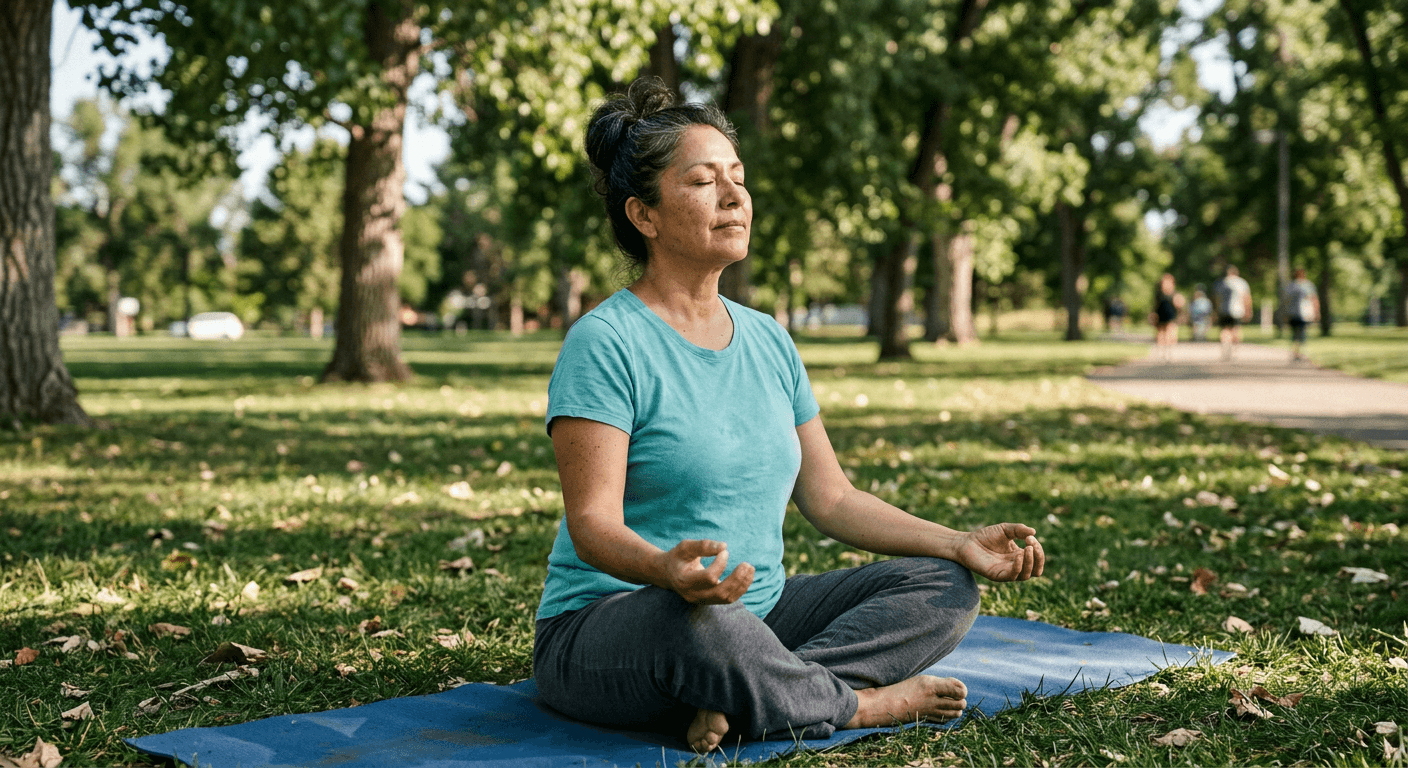
Mindfulness & Meditation: In an age of constant distraction and overthinking, mindfulness is a superpower. It's about bringing your attention to the present moment without judgment. For dating, this means being truly present during conversations, listening actively, and reducing anxiety about the past or future. Even 5-10 minutes of guided meditation daily can significantly reduce stress and improve your ability to stay grounded, making you a more attentive and engaging partner.
Journaling: This is a powerful tool for self-reflection and emotional processing. Jotting down your thoughts, feelings, and experiences allows you to gain clarity, identify patterns, and release pent-up emotions. Are you constantly attracting a certain type of person? Do you feel triggered by specific behaviors? Journaling can help you uncover these insights, leading to healthier choices and better communication in your relationships. It’s like having an unbiased confidante at your fingertips.
Therapy: Sometimes, we need expert guidance to navigate deeper emotional wounds, unhealthy patterns, or past traumas. Therapy is not a sign of weakness; it's an act of immense strength and self-investment. A good therapist can equip you with coping mechanisms, help you understand your attachment styles, and empower you to build healthier relational dynamics. It's a direct investment in your capacity for mature, fulfilling love.
Setting Boundaries: Perhaps one of the most crucial self-care strategies for modern dating. Boundaries are the invisible lines that protect your energy, time, and emotional well-being. This means saying "no" to dates that don't excite you, clearly communicating your needs, not tolerating disrespectful behavior, and knowing when to disengage from draining conversations. Strong boundaries don't push people away; they attract those who respect you and filter out those who don't, ensuring you build relationships on a foundation of mutual respect.
Pillar 3: Social Well-being – The Power of Your Village
While finding a romantic partner is often a primary goal, nurturing your social well-being outside of that pursuit is equally vital. The original article mentions "nurturing supportive relationships and engaging in activities that bring you joy." This isn't just a pleasant side note; it's a non-negotiable for a balanced and attractive life.
Nurturing Supportive Friendships: Your friends are your emotional anchors, your sounding boards, and your cheerleaders. They offer different perspectives, provide comfort during heartbreaks, and celebrate your wins. A woman with a strong, diverse social circle demonstrates she has a rich, fulfilling life independent of a romantic partner. This makes you less likely to be co-dependent, more resilient to relationship ups and downs, and ultimately, a more desirable and interesting partner. Schedule regular catch-ups, be present for your friends, and invest in these invaluable connections.
Engaging in Joyful Activities and Hobbies: What truly lights you up? Whether it's painting, hiking, learning a new language, or volunteering, engaging in activities purely for your own joy is paramount. These aren't just time fillers; they are expressions of your unique self, your passions, and your individuality. They provide a sense of purpose and fulfillment that isn't dependent on anyone else. A partner who sees you passionately pursuing your interests will find you more captivating and inspiring. Moreover, these activities help you maintain your identity outside of a relationship, preventing the common trap of losing yourself in another person.
Pillar 4: Spiritual Well-being – Grounding Your Soul for Authentic Connection
The spiritual pillar of self-care, described by Olivia Davis as "connecting with your values, purpose, or a higher power," is often misunderstood but profoundly impactful. It's not necessarily about organized religion, but about finding a sense of meaning, connection, and grounding in your life.
Connecting with Values and Purpose: What truly matters to you? What are your core beliefs? Understanding your values provides an internal compass that guides your choices, including who you choose to date. When you are deeply connected to your purpose, you radiate authenticity and integrity. This attracts partners who align with your values and purpose, leading to more profound and fulfilling connections. Take time to reflect on what you stand for, what kind of impact you want to make, and how your daily actions align with these aspirations.
Finding Meaning Beyond the Mundane: This can take many forms: spending time in nature, practicing gratitude, engaging in creative expression, or simply moments of quiet reflection. It's about tapping into something larger than yourself, which can provide perspective during difficult times and a sense of wonder in the everyday. A woman who feels grounded and connected to something meaningful beyond her immediate circumstances brings a sense of calm resilience and depth to her relationships. This spiritual fortitude helps you navigate life's inevitable challenges with grace, rather than being swept away by them.
Integrating Self-Care: Making it a Habit, Not a Herculean Task
The beauty of self-care, as highlighted in the Vogue piece, is that "it doesn't have to be elaborate." This is crucial. Many women feel overwhelmed by the idea of adding "more" to their already packed schedules. The key is consistency and making it a non-negotiable part of your routine.
Small, Consistent Steps: Forget the idea that self-care must involve a full spa day or a week-long retreat. Start small. Can you take a 10-minute walk during your lunch break? Can you read a chapter of a book before bed instead of scrolling through social media? Can you enjoy a quiet cup of tea without distractions? These micro-moments of intentional self-nurturing add up. Think of it like brushing your teeth – a small daily habit with significant long-term benefits.
Scheduling and Prioritizing: If it's not in your calendar, it often doesn't happen. Treat your self-care time with the same importance you'd give a work meeting or a doctor's appointment. Block out time for exercise, journaling, or simply quiet reflection. Learn to say "no" to commitments that drain your energy and don't align with your priorities. This isn't selfish; it's essential time management for your well-being.
Overcoming Resistance: You might encounter internal resistance – the little voice that says you don't have time, or that it's indulgent. Acknowledge it, but don't let it dictate your actions. Remind yourself of the profound benefits: increased energy, reduced stress, and an enhanced capacity for healthy, joyful relationships. Self-care is a practice, and like any practice, it gets easier and more natural with consistency.
The Ripple Effect: How Self-Care Transforms Your Relationships
When you consistently tend to your own needs, the positive impact doesn't stop with you. It creates a beautiful ripple effect that profoundly transforms your relationships, especially your romantic ones.
You Show Up as Your Best Self: When you're well-rested, nourished, emotionally balanced, and spiritually grounded, you approach interactions with greater patience, empathy, and presence. You're less reactive, more understanding, and more capable of active listening. This makes you a more attractive and stable partner, fostering deeper connection and trust.
You Attract Healthier Partnerships: Your commitment to self-care sets a higher standard. You implicitly communicate your worth and boundaries. This naturally filters out partners who might seek to exploit your energy or disrespect your needs. Instead, you draw in individuals who also value well-being, respect boundaries, and are capable of a truly reciprocal relationship. Like attracts like, and a woman who prioritizes her self-care is a magnet for high-quality, considerate partners.
You Model Healthy Behavior: By demonstrating a commitment to your own well-being, you inspire those around you. Your partner might be encouraged to explore their own self-care practices. You create a dynamic where mutual respect for individual needs is a cornerstone of the relationship, preventing resentment and burnout for both parties.
Increased Resilience to Relationship Challenges: All relationships face difficulties. When you have a strong foundation of self-care, you possess greater emotional resilience to navigate conflict, compromise, and setbacks. You're less likely to crumble under pressure, ensuring that your relationship can weather storms and emerge stronger.
Self-Care is Not a "One-Size-Fits-All" Prescription
It's important to remember that self-care is deeply personal. What recharges one person might drain another. The key is self-awareness: listening to your body, your mind, and your emotions. Olivia Davis's framework provides excellent pillars, but how you fill those pillars is entirely up to you.
Perhaps your physical well-being comes from dancing, not running. Your mental well-being might benefit more from creative writing than meditation. Your social well-being might thrive on deep one-on-one conversations rather than large group gatherings. Continually check in with yourself. What gives you energy? What drains you? What makes you feel grounded, alive, and connected? Your self-care routine should be a living, evolving practice that adapts to your changing needs and seasons of life. It’s an ongoing journey of self-discovery and self-nurturing.
Your Non-Negotiable Foundation for Lasting Love
The message from Olivia Davis in Vogue resonates deeply with the core philosophy of Next Boyfriend: to truly thrive in dating and relationships, you must first thrive as an individual. Self-care is not a luxury; it's the fundamental investment you make in yourself, and by extension, in the quality of your entire life. By consistently tending to your own needs – physically, mentally, emotionally, socially, and spiritually – you ensure you have the energy, resilience, and emotional capacity to invest in your relationships and to navigate life's ups and downs with greater strength and grace. This proactive approach benefits not only yourself, making you more magnetic and content, but also those closest to you, helping you cultivate the kind of healthy, vibrant, and sustainable love you truly deserve. Make self-care your non-negotiable foundation, and watch how it transforms every aspect of your world.
Questions about Self-Growth
How do I build self-worth before dating?
Treat it as behavioural rather than emotional. Keep small promises to yourself, practise disappointing people in low-stakes situations, and build sources of identity outside romance. Confidence follows the evidence rather than preceding it.
What is the difference between having standards and having walls?
Standards describe how you expect to be treated and stay stable as you get to know someone. Walls are pre-emptive exits designed to prevent closeness. If your criteria keep getting stricter the more you like someone, that is protection, not discernment.
How do I stop people-pleasing in relationships?
Start by noticing the automatic yes. Buy time with a stock phrase like 'let me check and get back to you', then practise small refusals. The goal is tolerating someone else's brief disappointment without treating it as an emergency.
Keep reading
- Guide: Rebuilding Self-Worth: How to Stop Settling and Start Choosing
- Guide: Breaking Free from Codependency: A Research-Based Recovery Guide
- Guide: Emotional Intelligence in Relationships: The Skill That Matters More Than Attraction

Self-Growth
5 Ways Emotional Intelligence Makes Trust Easier | Psychology Today
Research shows that people with higher emotional intelligence are better at identifying relational asymmetry and are more willing to set boundaries or create ...
Summary of Psychologytoday · 13 min read

Self-Growth
3 Signs of an Intelligent Partner | Psychology Today
Experiencing and labeling your emotions like this is a checkpoint you must cross before you make any judgments about your partner's emotional and mental state.
Summary of Psychologytoday · 10 min read

Self-Growth
The Greatest Block to Your Personal Growth
To experience significant personal growth, you must feel safe enough to explore who you can become before exploring who you think you are today.3 However, you ...
Summary of Psychologytoday · 14 min read
Comments
No comments yet.