Single Life · 8 min read
The Joy of Solitude: Finding Peace and Purpose as a Single Woman in July 2021
The summer of 2021 provided a perfect backdrop for single women to explore the profound benefits of solitude. This article delves into how embracing alone time can lead to greater peace and a clearer sense of purpose.
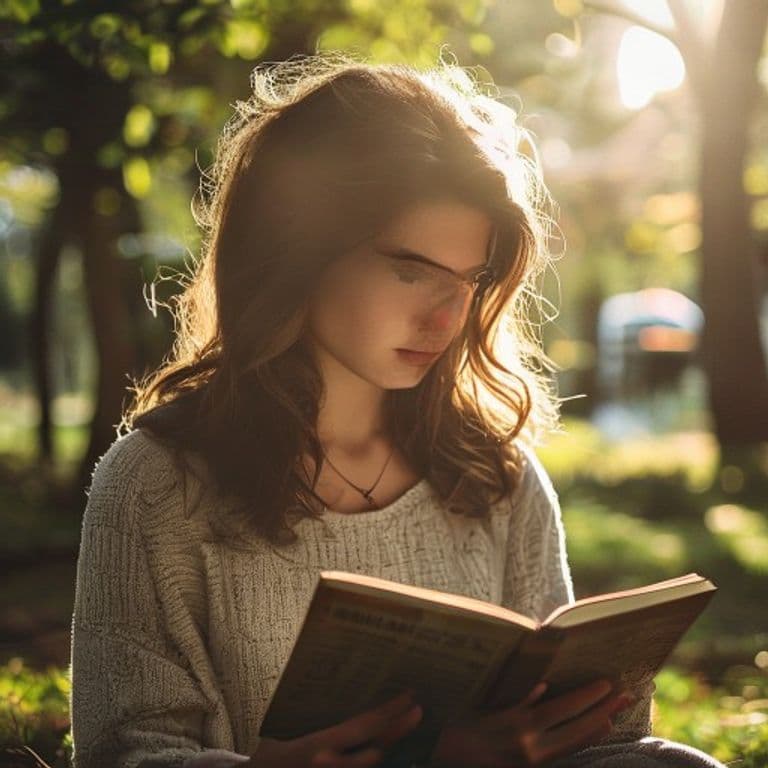
Dr. Anya Sharma · July 12, 2021
Our take
In a culture that equates a woman’s worth with her relationship status, carving out intentional alone time can feel rebellious—and that’s exactly why it’s powerful. Solitude isn’t a fallback plan for the single; it’s a fertile ground where self‑knowledge, creativity, and emotional resilience take root, ultimately making you a more grounded and attractive partner when love does arrive. This piece revisits a timely summer‑2021 perspective, updating it with fresh research and practical tools so modern women can reclaim solitude as a source of strength, not a sign of lack.
Key takeaways
- Solitude and loneliness are often conflated, yet they occupy opposite ends of the emotional spectrum.
- Neuroscience reveals that periods of quiet introspection activate the brain’s default mode network (DMN), a set of regions engaged when we’re not focused on the external world.
- Throughout history, women who embraced solitude often became trailblazers.
- Mindfulness doesn’t require a cushion or a retreat; it can be woven into micro‑moments throughout the day.
Understanding Solitude vs. Loneliness
Solitude and loneliness are often conflated, yet they occupy opposite ends of the emotional spectrum. Loneliness is a painful sense of disconnection—a feeling that you lack the social bonds you desire. Solitude, by contrast, is a chosen state of being alone that provides space for reflection, restoration, and self‑dialogue. Psychologist John Cacioppo’s research highlights that chronic loneliness raises cortisol levels and impairs immune function, while voluntary solitude has been linked to lower stress markers and increased parasympathetic activity. Recognizing this distinction empowers single women to reframe alone time not as a void to fill, but as a resource to cultivate.
The Science Behind Solitude: Brain and Well‑being
Neuroscience reveals that periods of quiet introspection activate the brain’s default mode network (DMN), a set of regions engaged when we’re not focused on the external world. The DMN is crucial for autobiographical memory, future planning, and creativity. A 2020 study published in Nature Human Behaviour found that participants who engaged in daily 10‑minute mindfulness solitude showed increased gray‑matter density in the prefrontal cortex—areas tied to decision‑making and emotional regulation. For single women navigating the dating scene, these neural benefits translate into clearer boundaries, better impulse control, and a stronger sense of self before inviting another person into their lives.
Historical Perspectives: Women and Alone Time
Throughout history, women who embraced solitude often became trailblazers. Think of Virginia Woolf’s “A Room of One’s Own,” where she argued that financial independence and private space were prerequisites for artistic genius. Or the 19th‑century transcendentalist Margaret Fuller, who spent hours walking alone in the woods, claiming that solitude allowed her to hear her “inner voice.” Even today, female entrepreneurs like Sara Blakely credit early morning solitude for the clarity that sparked Spanx. These examples illustrate that solitude isn’t a modern luxury; it’s a long‑standing catalyst for women’s intellectual and emotional growth.
Practical Mindfulness Techniques for Daily Solitude
Mindfulness doesn’t require a cushion or a retreat; it can be woven into micro‑moments throughout the day. Try the “5‑4‑3‑2‑1” grounding exercise: notice five things you can see, four you can touch, three you can hear, two you can smell, and one you can taste. This practice pulls you out of rumination and into the present, creating a pocket of solitude even in a bustling office. Another effective method is box breathing—inhale for four counts, hold four, exhale four, hold four—repeated for three cycles. Both techniques lower heart rate variability and signal the brain that it’s safe to relax, making solitude feel restorative rather than awkward.
Journaling Prompts to Uncover Purpose
Writing is a direct line to the subconscious. Start each solitude session with a prompt that invites curiosity rather than judgment. Examples:
- “If I had no fear of failure, what project would I start today?”
- “What qualities do I admire in others that I wish to cultivate in myself?”
- “Describe a moment when I felt utterly alive—what was I doing, and who was I with?”
Set a timer for ten minutes and let the words flow without editing. Over weeks, patterns emerge that reveal core values and latent passions, guiding you toward purposeful goals that aren’t contingent on a partner’s validation.
Creative Solitude: From Art to Movement
Creativity flourishes when the inner critic is silenced—a state solitude naturally encourages. Whether you’re sketching in a notebook, improvising on a ukulele, or dancing barefoot in your living room, creative acts serve as emotional alchemy, transforming anxiety into expression. Research from the American Journal of Public Health shows that engaging in artistic activities for just 45 minutes reduces cortisol by up to 75%. For single women, these sessions also build a repertoire of self‑soothing skills that can be called upon during dating disappointments or relationship transitions.
Nature as a Solitude Sanctuary
There’s something primal about the way forests, oceans, and open skies quiet the mind. Biologist E.O. Wilson’s biophilia hypothesis suggests humans have an innate affinity for nature, which explains why a simple walk in a park can lower rumination and improve mood. A 2019 study from the University of Exeter found that participants who spent at least two hours weekly in green spaces reported significantly higher life satisfaction and lower feelings of loneliness—even when they were alone. Try a “solitude hike”: leave your phone behind, focus on the sensation of your feet on the trail, and let the scenery become a moving meditation.
Digital Detox Strategies for the Modern Woman
Our devices constantly pull us outward, fragmenting attention and preventing deep solitude. Implementing a digital detox doesn’t mean abandoning technology; it means creating intentional boundaries. Start with a “tech‑free hour” after work: place your phone in another room, dim the lights, and engage in a non‑screen activity like reading a physical book or stretching. Gradually extend this to a weekly “digital Sabbath”—a half‑day where you avoid social media, email, and streaming. Notice how your thoughts become clearer, your creativity spikes, and your emotional reactivity diminishes.
Building a Solitude Routine That Fits Your Life
Consistency transforms sporadic alone time into a sustaining practice. Begin by auditing your weekly schedule: identify pockets where you’re typically waiting (commute, lunch break) or transitioning (before bed, after waking). Assign each pocket a solitude micro‑habit—five minutes of breathwork, a gratitude journal entry, or a quick sketch. Use habit‑stacking: pair a new solitude habit with an existing routine (e.g., “After I brush my teeth, I’ll sit quietly for two minutes”). Over time, these micro‑moments accumulate, creating a resilient inner baseline that buffers against the stresses of dating and daily life.
Overcoming Guilt and Societal Pressure
Many women report feeling guilty for enjoying solitude, fearing it signals selfishness or antisocial tendencies. This guilt often stems from cultural narratives that equate a woman’s value with her availability to others. Counteract this mindset by reframing solitude as an act of self‑respect: you cannot pour from an empty cup. Share your intention with trusted friends—“I’m dedicating Saturday mornings to solo hiking to recharge”—and notice how their support reinforces your boundary. Remember, asserting your need for alone time is not a rejection of connection; it’s a prerequisite for offering authentic, present‑focused connection when you choose to engage.
Real‑Life Stories: Single Women Who Thrived in Solitude
Consider Maya, a 29‑year‑old marketing analyst who, after a painful breakup, committed to a 30‑day solo retreat in a cabin near Lake Tahoe. With no internet, she journaled, painted, and hiked daily. By the end, she reported a renewed sense of direction, enrolled in a night‑class for graphic design, and later met her current partner through a shared interest in indie film festivals. Then there’s Amina, a 35‑year‑old nurse who started a weekly “silent supper” ritual—cooking a meal alone, eating mindfully, and reflecting on her shift. She credits this practice with reducing burnout and allowing her to show up more compassionately for patients and partners alike. These narratives underscore that solitude can be a launchpad, not a dead‑end.
When Solitude Meets Dating: Preparing for Healthy Relationships
Entering a relationship from a place of inner wholeness changes the dynamic dramatically. When you’ve spent time clarifying your values, boundaries, and emotional triggers, you’re less likely to seek validation or lose yourself in a partner’s expectations. Solitude also sharpens your ability to notice red flags early, because you’re attuned to your own discomfort rather than dismissing it to keep the peace. Before a date, try a brief solitude ritual: three minutes of mindful breathing, a quick journal check‑in (“What do I hope to gain from this encounter?”), and setting an intention to stay present. This prepares you to engage authentically, increasing the odds of a connection that complements—rather than completes—you.
Conclusion: Embracing the Gift of Being Alone
Solitude is not a waiting room for love; it is a vibrant chamber where self‑knowledge, creativity, and resilience are forged. By honoring the distinction between loneliness and chosen alone time, grounding yourself in scientific insight, and weaving practical practices into the fabric of daily life, you transform solitude from an occasional escape into a lifelong ally. For single women navigating the ever‑shifting terrain of dating and relationships, this inner work pays dividends: clearer intentions, healthier boundaries, and the confidence to love from a place of fullness rather than lack. Let this summer be the season you reclaim the quiet, listen to your inner voice, and discover that the most profound partnership you’ll ever cultivate is the one you have with yourself.
Questions about Single Life
Is being single bad for your health?
Older studies claiming a partnership benefit largely failed to separate marriage from social connection and income. More recent work finds the health signal is social support and financial stability, both of which single people can and do have.
How do I deal with pressure from family about being single?
Short, warm, repeated answers work better than justifications. A brief line delivered the same way each time removes the reward of a reaction, and explaining yourself in detail invites negotiation about a decision that is not up for negotiation.
How do you know if you are single by choice?
Ask whether you are declining specific people for specific reasons, or declining everyone in advance. Choice looks like turning down a real option; avoidance looks like never having one.
Keep reading
- Guide: Rebuilding Self-Worth: How to Stop Settling and Start Choosing
- Guide: The Intentional Dating Guide: How to Date with Purpose, Not Just Hope

Single Life
Financial Freedom for Single Women: Building Your Independent Future
Financial stability is a cornerstone of an empowered single life. This article outlines key strategies for single women to manage finances, build wealth, and secure their…
Summary of The New York Times · 11 min read

Single Life
Understanding Your Attachment Style as a Single Woman
Your attachment style profoundly influences how you experience singlehood and dating. This article explores the different attachment styles and offers insights for navigating…
Summary of Attachment Project · 8 min read

Single Life
Dating While Single: How to Navigate the Modern Landscape Without Losing Yourself
Re-entering the dating scene as a single woman can be daunting. This article provides practical strategies for maintaining your identity, setting healthy boundaries, and…
Summary of Glamour · 15 min read
Comments
No comments yet.