Dating Trends · 7 min read
The Pandemic Pivot: How Dating Apps Adapted in May 2021
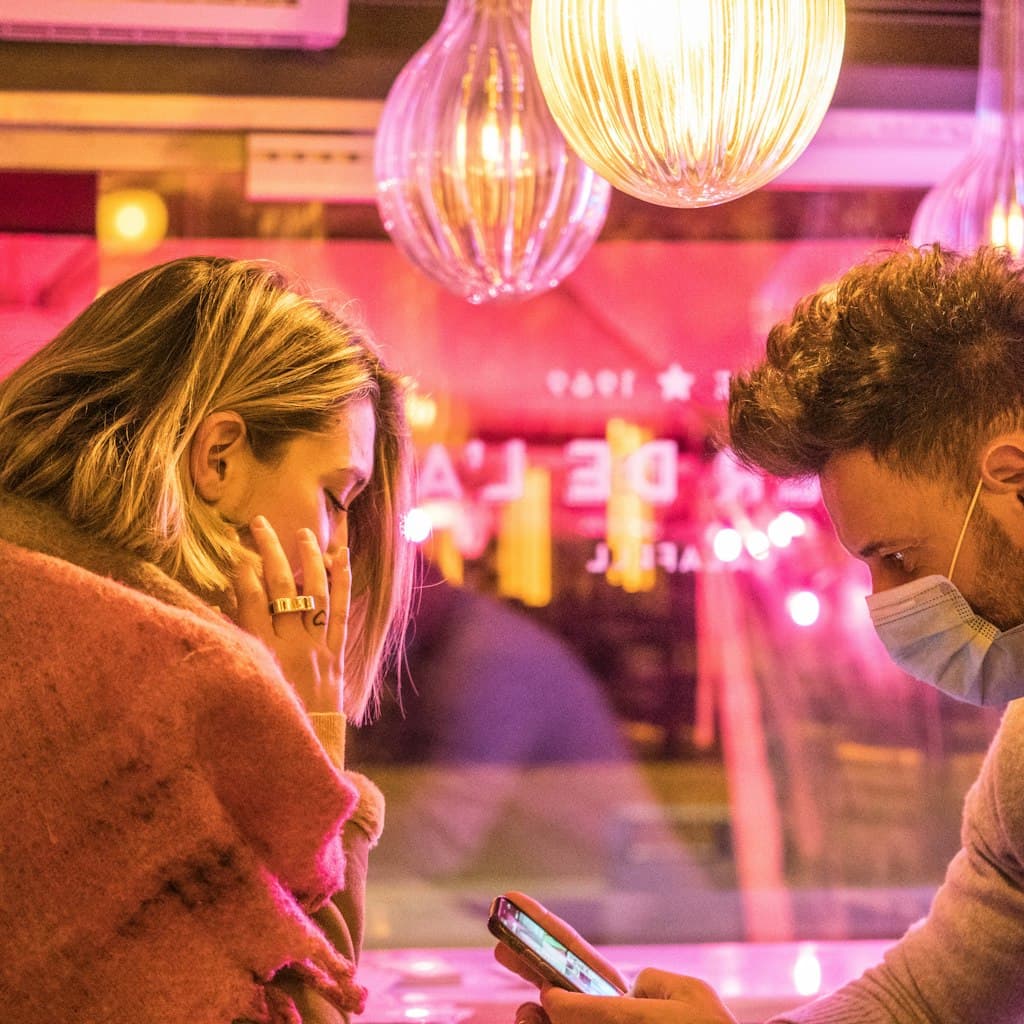
May 2021 saw a significant shift in how singles navigated the digital dating landscape. Virtual dates evolved from a novelty to a standard, with apps introducing new features to facilitate online connection.
Sarah Chen · May 3, 2021
Our take
May 2021 marked a turning point where dating apps stopped being mere swipe‑machines and became intentional spaces for genuine connection. For women navigating the modern dating scene, this shift offers a powerful reminder that safety, intention, and creativity can coexist with romance—turning a crisis into an opportunity to set higher standards for how we meet and get to know potential partners. Embracing virtual dates isn’t just about pandemic pragmatism; it’s a strategic move toward deeper compatibility before investing in real‑world chemistry. In this piece, we unpack how those changes unfolded and how you can harness them to build healthier, more fulfilling relationships today.
Key takeaways
- By spring 2021, the world had endured over a year of lockdowns, travel restrictions, and heightened health anxieties, making traditional first dates feel both risky and awkward.
- While the swipe remained the gateway to discovery, its purpose evolved.
- Apps raced to embed video directly into their interfaces, eliminating the need for third‑party links or awkward screen‑sharing.
- Recognizing that staring at a screen can feel stale, dating apps experimented with shared experiences designed to spark spontaneity.
## The Pandemic Context: Why May 2021 Was a Inflection Point
By spring 2021, the world had endured over a year of lockdowns, travel restrictions, and heightened health anxieties, making traditional first dates feel both risky and awkward. Dating app usage surged—Bumble reported a 70% increase in video calls year‑over‑year, while Tinder saw a 50% rise in “Passport” usage as users sought connections beyond their immediate locales. This environment forced platforms to reconsider what users truly needed: not just more matches, but safer, more meaningful ways to gauge chemistry before meeting in person. The pivot wasn’t a fleeting trend; it was a response to a collective desire for dating that respects both emotional wellbeing and physical safety.
## From Swiping to Screening: The New Pre‑Date Ritual
While the swipe remained the gateway to discovery, its purpose evolved. Users began treating the initial match as a prelude to a virtual encounter rather than an immediate invitation to meet for coffee. Data from Match Group’s Q1 2021 earnings showed that 42% of active users engaged in at least one video chat before agreeing to an in‑person date, up from 18% in the prior quarter. This shift reflects a growing mindset: investing a few minutes in a face‑to‑face screen can save hours of disappointing coffee dates and reduce the emotional toll of repeated mismatches. For women, this screening step offers a chance to assess communication style, values, and comfort levels without the pressure of a public setting.
## The Rise of Integrated Video Features
Apps raced to embed video directly into their interfaces, eliminating the need for third‑party links or awkward screen‑sharing. Bumble launched “Video Chat” in April 2021, allowing users to initiate a call after a match with a single tap; Hinge introduced “Date from Home” prompts that suggested virtual activities; and OkCupid rolled out “Video Prompts” that gave conversation starters tailored to profile answers. These integrations reduced friction, making virtual dates feel as seamless as sending a message. Importantly, they also signaled to users that the platforms were investing in safety—calls remained within the app’s moderated environment, allowing for reporting and blocking without leaving the conversation.
## Beyond the Call: Creative Features That Fostered Connection
Recognizing that staring at a screen can feel stale, dating apps experimented with shared experiences designed to spark spontaneity. Spotify integration let couples co‑create playlists, turning music discovery into a collaborative game; Hinge’s “Virtual Game Night” offered trivia, drawing challenges, and even virtual escape rooms; and Bumble introduced “Date Ideas” cards that suggested activities like cooking the same recipe simultaneously or taking a synchronized walk via phone cameras. These features transformed a simple video chat into a mini‑adventure, giving couples something to laugh about, discuss, and remember—key ingredients for building rapport.
## Psychological Impact: Comfort, Control, and Reduced Anxiety
Research from the Kinsey Institute in mid‑2021 found that 68% of women reported feeling less anxious about first encounters when they had a video chat beforehand, citing the ability to end the call quickly if discomfort arose. The virtual setting also offered a degree of control: users could curate their environment, choose lighting, and even mute background noise, reducing the unpredictability of noisy bars or crowded cafés. This sense of agency translated into higher satisfaction scores post‑date, with participants noting that they felt more authentic and less pressured to perform. For many, the virtual date became a confidence‑building rehearsal for real‑world interaction.
## Expert Insights: What Therapists and Dating Coaches Recommend
Dr. Lisa Marie Bobby, a clinical psychologist specializing in relationships, advises that virtual dates should be treated as “low‑stakes interviews” rather than entertainment. She recommends setting a clear intention—such as “I want to learn about their conflict‑resolution style”—and preparing three open‑ended questions beforehand. Dating coach Julianna Margulies emphasizes the importance of body language even on screen: sitting upright, maintaining eye contact with the camera, and mirroring subtle gestures can convey engagement and warmth. Both experts agree that debriefing after the call—jotting down what felt good and what felt off—helps users refine their preferences and avoid repeating patterns that don’t serve them.
## Actionable Advice: Making the Most of Your Virtual Date
- Tech Check, Then Relax – Test your camera, microphone, and internet connection 10 minutes before the call. A smooth start eliminates unnecessary stress and signals respect for the other person’s time.
- Set a Time Boundary – Agree on a 20‑ to 30‑minute window; knowing there’s an end point makes it easier to gracefully exit if the vibe isn’t right.
- Choose an Activity, Not Just Chat – Suggest watching a short YouTube clip together, playing a quick online quiz, or making the same cocktail. Shared tasks create natural conversation fodder and reduce awkward silences.
- Dress for the Vibe – Wear something that makes you feel confident but is appropriate for a casual video call; this boosts self‑esteem and translates into more authentic body language.
- Follow Up with Intent – If the call went well, send a brief message referencing a specific moment (“I loved hearing about your hiking trip to the Rockies—tell me more next time!”). Personalized follow‑ups reinforce interest and show attentiveness.
## Real‑World Scenarios: How Women Navigated the Shift
Consider Maya, a 29‑year‑old marketing manager who matched with Alex on Hinge in early May 2021. After a few message exchanges, they opted for a 25‑minute video date where they each cooked a simple pasta dish while chatting. The shared activity revealed Alex’s playful sense of humor and his willingness to laugh at a burnt sauce—traits Maya valued highly. Because they’d already experienced a low‑pressure interaction, their first in‑person meeting at a park picnic felt like a continuation rather than a test. Conversely, Jenna, a 34‑year‑old lawyer, used her video call to screen out a match whose conversation repeatedly drifted to controversial politics; ending the call after 15 minutes saved her an uncomfortable dinner and preserved her emotional energy for more aligned connections.
## Looking Ahead: The Lasting Legacy of Pandemic‑Era Dating Innovations
Although lockdowns have eased, the behaviors cultivated in mid‑2021 have proved sticky. A 2023 Statista report shows that 55% of dating app users still prefer a video chat before meeting in person, citing safety and efficiency as primary reasons. Apps continue to refine these features—Bumble now offers “Group Video Hangouts” for friends‑style meetups, and Tinder experiments with AR‑enhanced virtual backgrounds that let users share scenic locales without leaving home. For women, this enduring toolkit means the ability to set boundaries, test compatibility, and infuse creativity into the dating process remains firmly within reach, empowering us to pursue relationships on our own terms.
## Conclusion: Turning Crisis into Choice
The pandemic forced dating apps to innovate, but the real victory lies in how women have reclaimed agency over their romantic journeys. By embracing video dates as a purposeful screening tool, leveraging shared activities to spark genuine connection, and applying expert‑backed strategies, we transform what began as a necessity into a lasting advantage. As we move forward, let’s carry forward the lesson that meaningful romance doesn’t require grand gestures or risky encounters—it thrives when we prioritize safety, intention, and the courage to show up as our authentic selves, one virtual click at a time.
Questions about Dating Trends
Is online dating declining?
Engagement with the largest apps has softened and users report more fatigue, but online dating remains the most common way couples meet. The shift is toward smaller, intent-specific platforms and renewed interest in meeting offline rather than an outright decline.
Are people dating less than they used to?
Younger cohorts report fewer partners and later first relationships than previous generations at the same age. Whether that reflects intentional selectivity or reduced opportunity is genuinely contested in the research.
What is the biggest change in dating over the last five years?
Explicitness about intent. Stating what you are looking for at the outset has moved from unusual to expected, largely as a reaction against situationships and open-ended ambiguity.
Keep reading

Dating Trends
2026 Dating Trends: Chalance, Sending Voice Notes, More
2026 Dating Trends: Chalance, Sending Voice Notes, More 2x Copy link • Live Share Live • • 1 401. Back Search
Summary of Youtube · 10 min read

Dating Trends
2026 Dating Trends (Actually) Worth Paying Attention To - Chasing Foxes
2026 Dating Trends That Are Actually Worth Paying Attention To · 1. Dating Intentionally · 2. Friendfluence · 3. Creating a Dating Cut List · 4. Emotional Vibe ...
Summary of Chasingfoxes · 11 min read

Dating Trends
Singles Are Embracing Slow-Burn Dating, New Kinsey Data Shows
And according to new data released by the Kinsey Institute, more and more daters are opting to give people second chances and stay open minded to someone they didn’t have an…
Summary of Cosmopolitan · 14 min read
Comments
No comments yet.