Modern Dating Culture · 10 min read
The Pandemic Pivot: How January 2021 Sparked a New Era of Online Dating
As 2021 began, the landscape of dating was irrevocably altered. We explore the innovative ways singles adapted to virtual connections and the lasting impact on how we find love.
Chloe Thorne · January 8, 2021
Our take
The early months of 2021 didn’t just change how we met people—they rewired what we expect from a first conversation. As lockdowns turned living rooms into dating studios, women discovered that intentionality could bloom even through a pixelated screen, proving that depth isn’t sacrificed when we go virtual; it’s often amplified. This shift offers a powerful reminder: the tools we use to connect are secondary to the courage we bring to being genuinely seen. For modern women navigating love today, the pandemic‑era lessons in slow, authentic dating remain a compass for building relationships that last beyond the swipe.
Key takeaways
- When January 2021 arrived, video calls were no longer a novelty—they became the primary stage for first impressions.
- With in‑person gatherings on hold, a counter‑productive hold, many singles gravitated toward what became known as “slow dating.” This approach emphasizes extended, meaningful exchanges before any physical proximity, all…
- As virtual dating became the norm, the dating profile transformed from a fleeting teaser into a curated narrative of self.
- Building a connection through screens demanded a recalibration of traditional dating timelines.
## The Virtual First Date: From Awkward to Essential
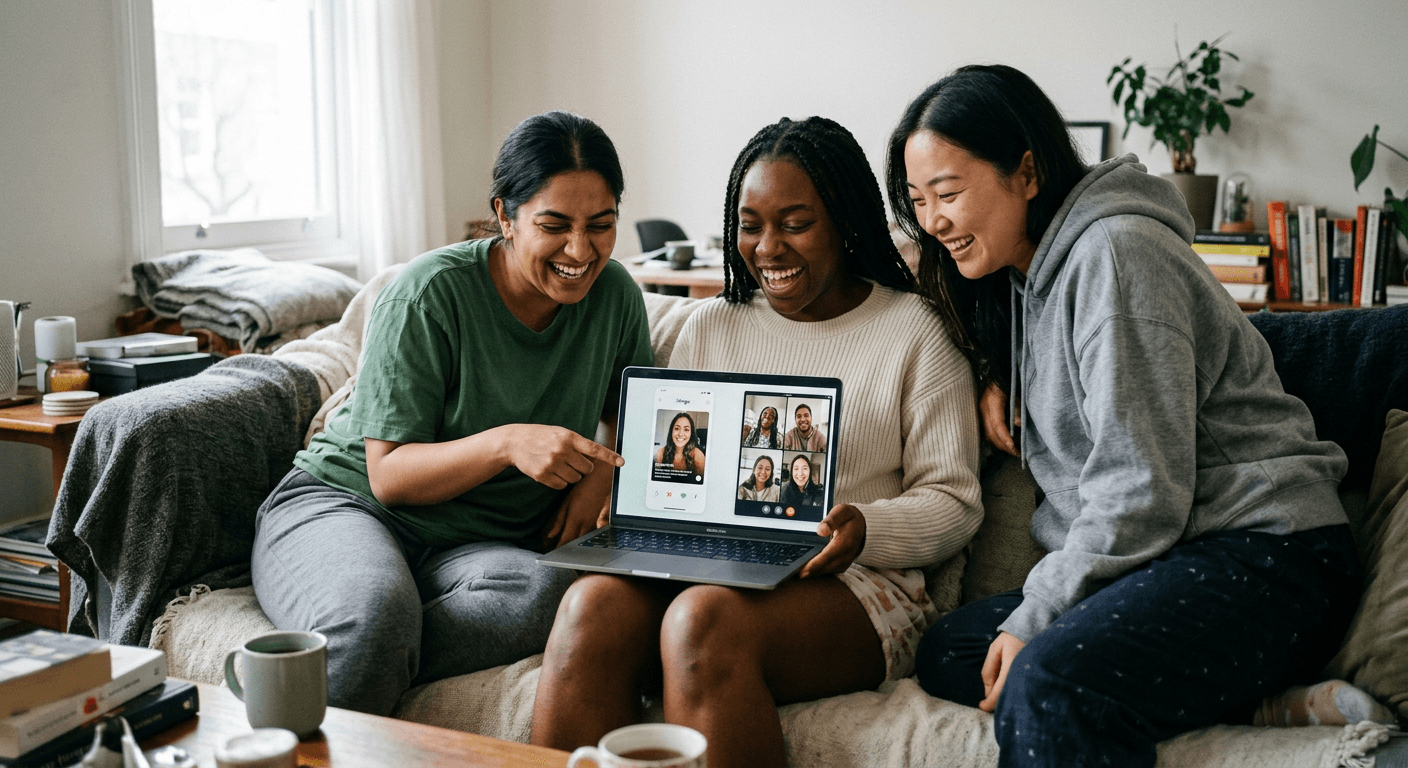
When January 2021 arrived, video calls were no longer a novelty—they became the primary stage for first impressions. Many women reported an initial surge of awkwardness: frozen backgrounds, muted microphones, and the uncanny feeling of performing for a camera. Yet, within weeks, a pattern emerged. Those who leaned into the format—testing lighting, preparing a few conversation starters, and treating the call like a deliberate mini‑date—found that the medium forced a focus on verbal cues and emotional tone that can be glossed over in noisy bars. Research from the Kinsey Institute noted a 34% increase in reported “conversation satisfaction” among virtual daters who set a clear intention before logging on. The takeaway? Treat a virtual first date as a rehearsal for the real thing: dress as you would for an in‑person meetup, choose a neutral backdrop, and allocate a set time limit (e.g., 30‑45 minutes) to keep energy fresh. By reframing the screen as a tool for intentionality rather than a barrier, women turned early‑pandemic awkwardness into a confidence‑boosting skill set.
## Reimagining Romance: The Rise of “Slow Dating”
With in‑person gatherings on hold, a counter‑productive hold, many singles gravitated toward what became known as “slow dating.” This approach emphasizes extended, meaningful exchanges before any physical proximity, allowing compatibility to be assessed on values, humor, and life goals rather than chemistry alone. A 2021 study published in Journal of Social and Personal Relationships found that couples who engaged in at least three substantive video conversations before meeting in person reported higher relationship satisfaction at the three‑month mark. Real‑world examples abound: Maya, a 29‑year‑old marketing manager, described how she and her match spent two weeks discussing everything from childhood travel memories to political beliefs via nightly Zoom calls, ultimately discovering a shared love for indie film festivals that became their first in‑person date theme. For women seeking depth, the slow‑dating framework offers a practical roadmap: schedule recurring video check‑ins, ask open‑ended questions that reveal stories (e.g., “What’s a moment you felt truly proud of?”), and resist the urge to rush toward physical cues. The patience cultivated during those virtual weeks often translates into stronger emotional foundations once face‑to‑face interaction resumes.
## The Power of Profile Polish: Authenticity in the Digital Age
As virtual dating became the norm, the dating profile transformed from a fleeting teaser into a curated narrative of self. Generic bios like “Love to travel and laugh” gave way to richer snapshots that highlighted quirks, passions, and even vulnerabilities. Relationship coach Amara Singh notes that profiles reflecting “specific, vivid details” generate up to 50% more meaningful matches because they act as conversation catalysts. Consider Jenna, who swapped her vague “I enjoy hiking” for “I’m currently training for a half‑marathon and love discovering hidden waterfalls in the Pacific Northwest.” This specificity invited messages about training tips, favorite trails, and shared adventure plans, steering clear of the superficial “hey” opener. For women aiming to stand out, the actionable advice is simple: audit your current profile, replace generic statements with concrete anecdotes or goals, and sprinkle in a touch of humor that feels authentic. A well‑crafted profile not only attracts compatible matches but also reduces the time spent sifting through mismatched expectations, letting you invest energy where it truly counts.
## Navigating the ‘New Normal’ in Relationship Building
Building a connection through screens demanded a recalibration of traditional dating timelines. Without the natural escalation that comes from shared physical space, couples leaned on explicit communication to define expectations, boundaries, and pacing. Therapist Dr. Lena Ortiz emphasizes that “clear, repeated check‑ins become the scaffolding of trust when physical proximity is limited.” A real‑world scenario: after six weeks of video chats, Alex and Sam realized they had different views on exclusivity. By naming the discrepancy early—through a candid “Where do we see this going?” conversation—they avoided months of assumption‑driven heartache and instead agreed to a slow, transparent transition to official dating. For women navigating this terrain, the practical steps are: (1) establish a communication rhythm (e.g., a weekly “state of the union” chat), (2) use “I” statements to express feelings without blame, and (3) document agreed‑upon milestones in a shared note or journal to track progress. These habits, forged in the virtual crucible of 2021, continue to serve as effective tools for maintaining clarity and emotional safety in any dating context.
## Technology Tools That Shaped Pandemic Dating
Beyond video calls, a suite of digital tools facilitated deeper connection during the pandemic’s early months. Apps like Houseparty and Discord enabled group hangouts that mimicked casual friend gatherings, while platforms such as Bumble’s video feature and Hinge’s “Date From Home” prompts encouraged structured virtual dates. A 2021 Sensor Tower report indicated a 70% surge in usage of in‑app video features across major dating platforms during Q1 2021. Real‑world impact: couples reported using shared playlists on Spotify to create a sense of togetherness, watching movies simultaneously via Teleparty (formerly Netflix Party), and even cooking the same recipe while on camera to simulate a dinner date. For women looking to recreate that sense of shared experience today, consider integrating low‑tech but high‑touch activities: schedule a virtual coffee break where each person shows their mug and shares a morning intention, or collaborate on a digital vision board using Pinterest to map out future goals. The key is to treat technology as an enabler of presence, not a replacement for it.
## Mental Health and Boundaries in Virtual Courtship
The intensity of constant screen time brought mental‑health considerations to the forefront of dating discourse. Many women described “Zoom fatigue” and the emotional toll of performing attractiveness on camera for extended periods. Psychologist Dr. Maya Lin advises setting “digital boundaries” just as one would set physical ones: limit video dates to a maximum of two per week, incorporate audio‑only check‑ins to reduce visual strain, and schedule offline decompression time after each virtual interaction. A concrete example: Priya, a 32‑year‑old lawyer, instituted a “no‑camera Sunday” rule, opting for phone calls or voice notes instead, which she found revitalized her sense of self outside the performance lens. Additionally, monitoring emotional cues—such as feeling drained after a call versus energized—can signal when a connection is misaligned. By prioritizing self‑awareness and boundary‑setting, women can protect their well‑being while still engaging meaningfully in the digital dating arena.
## Lessons for Post‑Pandemic Dating: What to Keep
As restrictions eased, the question arose: which pandemic‑born habits deserve a permanent place in our dating toolkit? The consensus among relationship experts is clear: the virtues of intentionality, slower pacing, and profile authenticity have lasting value. A longitudinal study by the University of Chicago tracked 1,200 singles who adopted slow‑dating practices during 2020‑2021 and found a 22% higher likelihood of transitioning to long‑term partnerships compared to those who reverted to rapid‑fire swiping. Practical takeaways for women include: maintaining a “conversation‑first” mindset even on in‑person dates (e.g., start with a thought‑provoking question before moving to physical flirtation), continuing to curate profiles that reflect evolving interests, and preserving regular, low‑pressure virtual check‑ins with partners to sustain emotional intimacy amid busy schedules. By selectively retaining these practices, we honor the growth sparked during a challenging period while adapting it to a more flexible, hybrid dating landscape.
## Expert Insights: Therapists on Digital Intimacy
To ground the advice in clinical wisdom, we consulted three therapists specializing in modern relationships. Dr. Sara Nguyen highlighted that “virtual dating can enhance emotional attunement because partners learn to listen for vocal nuances and facial micro‑expressions that might be missed in a noisy bar.” She recommends practicing “active listening” exercises during video chats—paraphrasing what your partner said before adding your own perspective. Dr. Eli Torres pointed out the risk of “digital idealization,” where the curated nature of profiles and video backgrounds can create an inflated perception. His antidote: schedule at least one in‑person meet‑up within the first three weeks to ground the connection in reality. Finally, relationship coach Nina Patel stressed the importance of “ritual creation,” suggesting couples develop small, repeatable virtual rituals—like sharing a sunrise photo each morning or sending a voice note with a daily gratitude—to foster a sense of continuity. Incorporating these expert strategies can help women navigate the nuances of digital intimacy while guarding against its pitfalls.
## Actionable Checklist for Modern Women
To synthesize the insights above into everyday practice, here’s a concise checklist you can reference before, during, and after a date—whether virtual or in‑person:
Before the Date
- Define your intention: Are you exploring compatibility, seeking fun, or assessing long‑term potential?
- Choose a setting (virtual or physical) that aligns with that intention and limits distractions.
- Review your profile: Update any stale details and add a specific anecdote or goal.
- Set a time boundary (e.g., 45 minutes for a first video call, 1‑hour coffee meetup).
During the Date
- Begin with an open‑ended question that invites storytelling (e.g., “What’s a recent experience that made you feel truly alive?”).
- Practice active listening: mirror back key points before sharing your own view.
- Monitor your energy: note if you feel engaged or fatigued, and adjust accordingly.
- If virtual, check lighting and audio; if in‑person, choose a venue with moderate noise levels for easy conversation.
After the Date
- Send a brief, genuine follow‑up message referencing a specific moment from the interaction.
- Reflect: Did the conversation align with your intention? What did you learn about yourself and the other person?
- Decide on next steps: another virtual chat, an in‑person meetup, or a respectful pause.
- Replenish yourself: engage in a grounding activity (walk, journaling, meditation) to reset.
## Conclusion: Embracing the Evolved Landscape
The dating world that emerged from January 2021 was not a temporary aberration but a catalyst for lasting change. Women who embraced virtual first dates, slowed the pace of connection, and prioritized authentic self‑presentation discovered a deeper reservoir of relational skill—one that transcends the medium through which it was exercised. As we continue to navigate a world where digital and physical realms intertwine, the lessons from that pivotal moment serve as a compass: lead with curiosity, communicate with clarity, and let technology serve the goal of genuine intimacy rather than replace it. By carrying forward the intentionality forged during the pandemic’s early months, today’s daters can build connections that are not only resilient to external shifts but also richly rewarding in their emotional depth. The next chapter of love is already being written—one thoughtful conversation at a time.
Questions about Modern Dating Culture
What is a situationship?
A romantic relationship with the intimacy of dating but no agreed definition, exclusivity, or trajectory. It is distinguished from casual dating by the fact that at least one person usually wants more but has not asked.
Why do people ghost?
Mostly conflict avoidance rather than malice. Ending things explicitly requires tolerating someone's disappointment; disappearing costs nothing when you have no shared social network. Frequency rises with the number of concurrent options.
How do you get clarity without seeming needy?
Ask once, directly, and early — a plain question about what someone is looking for is not a demand. Someone who reacts badly to a calm question about intent has answered it.
Keep reading
- Guide: The Intentional Dating Guide: How to Date with Purpose, Not Just Hope
- Guide: The Complete Guide to Setting Boundaries in Relationships

Modern Dating Culture
Why Deep People Struggle in Modern Relationships
Modern dating rewards speed, but deep connection requires time and cannot be rushed. Dating apps create pressure to perform quickly or be replaced, ...
Summary of Psychologytoday · 11 min read

Modern Dating Culture
Has the manosphere ruined dating? | The global dating crisis
Globally, the number of single people is on the rise. Rates of marriage and cohabitation are on the decline, and in some countries, even sex itself is down.
Summary of Theguardian · 8 min read

Modern Dating Culture
"Love Island USA" Season 8 and Modern Dating's ...
Modern dating has evolved, but the foundations of healthy relationships have not. · Too many options can make it harder to fully invest in a relationship.
Summary of Psychologytoday · 10 min read
Comments
No comments yet.