Dating Apps & Technology · 12 min read
The Paradox of Choice: Why More Options Don't Always Lead to More Dates
With seemingly endless profiles, why do so many feel overwhelmed and unable to find a connection? This article explores how the vast number of choices on dating apps can lead to decision paralysis and dissatisfaction.
Madeleine A. Fugère Ph.D. · March 12, 2026
Our take
Let's be honest, ladies. We've all been there: swiping endlessly, bombarded by a digital buffet of faces and bios, yet feeling utterly lost in the sauce. The promise of finding "the one" online was supposed to be a game-changer, a shortcut to happily ever after. Instead, for so many of us, it's become a source of endless frustration and that all-too-familiar dating app fatigue. This deep dive into the "paradox of choice" isn't just about understanding why our dating lives feel so overwhelming; it's about reclaiming our power, making intentional choices, and actually finding meaningful connections in this often-chaotic digital landscape.
Key takeaways
- Dating apps, in their very design, present us with a seemingly infinite scroll of potential partners.
- Imagine standing in front of an overwhelming menu at a new restaurant, filled with hundreds of unfamiliar dishes.
- One of the most insidious consequences of the paradox of choice in online dating is the fertile ground it creates for regret and the ever-present fear of missing out (FOMO).
- Dr. Fugère's insights from Psychology Today highlight a critical aspect of this phenomenon: the impact on our satisfaction levels.
The Illusion of Abundance: More Isn't Always More
Dating apps, in their very design, present us with a seemingly infinite scroll of potential partners. It’s like walking into a massive department store where every single item is laid out for you, promising the ultimate selection. This vastness creates a powerful illusion: that with so many options, finding a compatible partner should be a breeze. We’re led to believe that "the one" is just a few swipes away, hidden within this digital ocean of faces. However, as groundbreaking research, including insights from Madeleine A. Fugère Ph.D. in her Psychology Today piece, reveals, this abundance often backfires. Instead of making the search easier, it triggers a well-documented psychological phenomenon known as the paradox of choice. This paradox suggests that when faced with too many options, our ability to make a decisive and satisfying choice actually diminishes. What feels like an advantage – a vast pool of potential – can become our biggest obstacle to forming a genuine connection.
Decision Paralysis: The Endless Swipe Syndrome
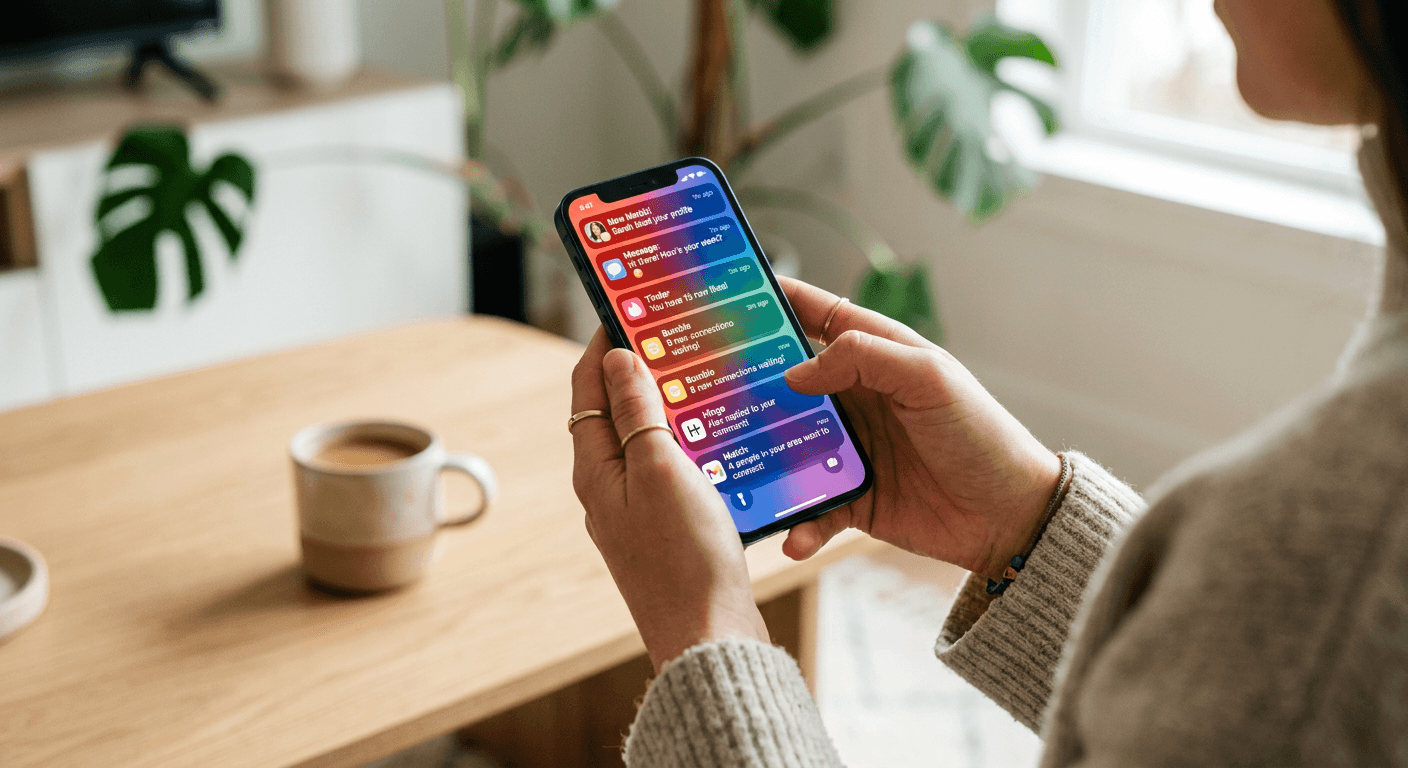
Imagine standing in front of an overwhelming menu at a new restaurant, filled with hundreds of unfamiliar dishes. You want to order something delicious, but the sheer volume of choices makes you freeze. This is precisely what happens when we're confronted with hundreds, or even thousands, of dating profiles. The sheer quantity of potential partners on apps like Tinder, Bumble, or Hinge can lead to a state of decision paralysis. Our brains, not equipped for this level of constant, rapid evaluation, struggle to commit. This paralysis can manifest in several ways. We might find ourselves endlessly swiping left and right without truly engaging with any profile, driven by the subconscious thought that there's always a potentially "better" match just a swipe away. Alternatively, we might quickly dismiss profiles, unwilling to invest the time to read thoroughly or consider nuances, because the next option is immediately available. This constant, low-level stress of "what if" fuels anxiety and a pervasive sense of dissatisfaction, as we worry we're missing out on superior connections by settling.
The Weight of "What Ifs": Regret and FOMO
One of the most insidious consequences of the paradox of choice in online dating is the fertile ground it creates for regret and the ever-present fear of missing out (FOMO). When we've seen so many faces, heard so many (often similar) bios, and swiped past so many individuals, it’s easy to develop a lingering doubt about the choices we do make. Even if we match with someone who seems perfectly suitable, that little voice in the back of our mind can whisper, "But what about the 500 other people you swiped left on? What if one of them was actually more amazing?" This internal debate can undermine our satisfaction with any potential connection. Research consistently shows that a high number of choices can paradoxically decrease our happiness with the option we ultimately select. The more attractive the alternatives we perceive, the less happy we are with our current choice, and the more likely we are to second-guess and devalue our decision. This explains the widespread feeling of jadedness and burnout reported by so many active dating app users.
The Erosion of Satisfaction: Why "Good Enough" Feels Lacking
Dr. Fugère's insights from Psychology Today highlight a critical aspect of this phenomenon: the impact on our satisfaction levels. When we are presented with an overwhelming array of options, even if we make a "good" choice—meaning a choice that objectively meets our needs and desires—our subjective satisfaction with that choice tends to be lower. This is because our minds, trained by the abundance, begin to focus on the perceived downsides of our chosen option and the unfulfilled potential of the alternatives. Instead of appreciating the positive qualities of a potential partner, we might dwell on minor imperfections or the fact that they don't perfectly embody every single trait we've ever dreamed of. This continuous comparison and the lingering thought of "what else is out there" actively erode our satisfaction. It's a psychological trap that makes it harder to commit, to invest, and to truly appreciate the person we're dating. The initial excitement of a new match can quickly fade into a quiet disappointment because the infinite scroll has conditioned us to expect perfection, a rare commodity in human relationships.
When Effort Diminishes Return: The Devaluation of the Search
The paradox of choice also impacts the perceived value of our efforts in the dating realm. We spend hours meticulously crafting profiles, filtering through potential matches, and engaging in often superficial conversations. When the dating pool is vast, the psychological investment required to find a truly compatible partner can feel disproportionately high. We might think, "If there are so many people out there, why is it taking so much work to find someone decent?" This can lead to a devaluation of the search process itself. The more options we believe exist, the less value we might assign to any single interaction or potential match. It's as if each individual encounter becomes a disposable item in a vast inventory, rather than a unique opportunity for connection. This mindset can lead to a transactional approach to dating, where people are quick to discard individuals who don't immediately meet a checklist, rather than investing the time to understand their potential.
The Trap of Optimization: Seeking the "Perfect" Partner
In a world of endless possibilities, it's easy to fall into the trap of "optimization." We begin to see each potential match not just as a person, but as a bundle of attributes to be optimized against a mental checklist. We're not just looking for a partner; we're looking for the best possible partner among the available options. This perfectionism, fueled by the illusion of unlimited choice, can be a significant barrier to forming genuine relationships. It creates an unrealistic expectation that there exists a single, flawless individual who will tick every single box. In reality, healthy relationships are built on compromise, acceptance, and the willingness to overlook minor flaws in favor of deeper connection and shared values. The constant pursuit of the "optimized" match means we might overlook perfectly good people who possess the qualities that truly matter for long-term compatibility, simply because they don't fit our idealized, and often unattainable, criteria.
Reclaiming Agency: Setting Intentions and Defining "Enough"
So, how do we break free from this cycle of overwhelm and dissatisfaction? The key lies in actively reclaiming our agency and shifting our approach. One of the most powerful strategies, as suggested by experts like Dr. Fugère, is to set clear intentions for our dating journey. Before you even open the app, ask yourself: "What am I truly looking for?" Are you seeking a casual connection, a long-term partner, or simply someone to explore your options with? Be honest with yourself. Once your intention is clear, it's crucial to define what "enough" looks like for you. This isn't about settling for less, but about recognizing that no one is perfect. What are your non-negotiables? What are the qualities that, if present, would make a person a good fit for you? Identifying these core elements helps to move beyond superficial criteria and focus on what truly matters for compatibility and happiness.
The Art of Narrowing Down: Strategic Filtering
With the overwhelming number of profiles, strategic filtering becomes not just helpful, but essential. Instead of passively swiping through everyone, consciously narrow down your search criteria. This doesn't mean creating an impossibly restrictive checklist, but rather focusing on the key elements that align with your intentions. For instance, if you're looking for a long-term partner who shares your passion for travel, you might prioritize profiles that mention this interest. Consider filtering by:
- Core Values: Do their stated values align with yours on fundamental issues like family, career, or personal growth?
- Lifestyle Compatibility: Do their stated hobbies and interests suggest a lifestyle that could complement yours?
- Communication Style: Does their bio or initial messages suggest an ability to communicate clearly and respectfully?
By being more discerning from the outset, you reduce the sheer volume of profiles you need to actively consider, making the process feel more manageable and less like an endless, aimless pursuit.
Quality Over Quantity: The Power of Deliberate Engagement
The digital dating landscape often encourages a "quantity over quality" mindset. We're encouraged to amass as many matches as possible, viewing it as a sign of success. However, this approach is counterproductive to finding genuine connection. Instead, we need to consciously shift towards a "quality over quantity" approach. This means being more selective with who you engage with. Instead of swiping right on everyone hoping for a match, take a moment to genuinely read profiles and consider if there's a spark of potential. When you do match with someone, invest a little more time and energy into your interactions. Ask thoughtful questions, share genuinely about yourself, and aim to move beyond superficial banter. This deliberate engagement, even with a smaller number of people, is far more likely to lead to meaningful connections than a broad, shallow approach.
Limiting Your Exposure: The Benefits of Intentional App Time
One of the most practical and effective strategies to combat choice overload is to intentionally limit your time spent on dating apps. These platforms are designed to be addictive, keeping you scrolling for as long as possible. By setting clear boundaries for your app usage, you can regain control over your time and mental energy. Consider the following:
- Scheduled Check-ins: Instead of checking the app sporadically throughout the day, designate specific times for using it, perhaps once in the morning and once in the evening for 15-20 minutes each.
- "No Swipe" Days: Implement days where you consciously avoid opening the app altogether. Use this time for other activities that bring you joy or connection.
- Post-Match Limits: Once you've engaged in meaningful conversation with a few matches, consider pausing your swiping for a while to focus on developing those existing connections.
This disciplined approach reduces the constant exposure to overwhelming choices and allows you to focus on developing the connections you've already made.
The Benefits of Taking a Break: Resetting Your Perspective
In the relentless pursuit of a partner, it’s easy to forget the importance of self-care and a healthy perspective. The paradox of choice can be exhausting, leading to burnout and a cynical outlook on dating. Sometimes, the most productive thing you can do is step away from the apps entirely. Taking a break, whether it's for a week, a month, or longer, allows you to:
- Recharge Your Mental Batteries: Step away from the constant decision-making and emotional investment required by online dating.
- Reconnect with Yourself: Focus on hobbies, friendships, and personal goals that might have been sidelined during your dating efforts.
- Reset Your Expectations: When you return to the apps, you might have a clearer head and a renewed sense of purpose, free from the residue of previous frustrations.
A break isn't a sign of defeat; it's a strategic move to ensure you approach dating from a place of strength and clarity, rather than desperation or exhaustion.
Shifting Focus to Real-World Connections
While dating apps have become a dominant force, it's crucial to remember that they are just one tool for finding connection. The paradox of choice highlights the limitations of a purely digital approach. Therefore, actively nurturing and prioritizing real-world connections is vital. This means:
- Investing in Your Social Circle: Strengthen bonds with friends and family, as they can be wonderful sources of support and may even introduce you to new people.
- Pursuing Your Interests: Join clubs, take classes, volunteer for causes you care about. These activities naturally put you in contact with like-minded individuals in a low-pressure environment.
- Being Open to Serendipity: Don't discount the possibility of meeting someone organically through everyday life – at a coffee shop, at work, or even at the grocery store.
By diversifying your avenues for connection, you reduce your reliance on the potentially overwhelming digital marketplace and open yourself up to more authentic and serendipitous encounters.
Conclusion: Navigating the Digital Dating Maze with Intention
The dating app landscape, with its seemingly endless choices, presents a unique psychological challenge: the paradox of choice. As explored through the lens of research and expert insights, this abundance can paradoxically lead to decision paralysis, dissatisfaction, and a sense of burnout. The illusion of infinite options can make it harder, not easier, to find a meaningful connection. However, by understanding this phenomenon, we can equip ourselves with strategies to navigate this digital maze with greater intention and success. Setting clear intentions, defining what "enough" truly means, practicing selective filtering, and prioritizing quality over quantity are all powerful tools. Moreover, limiting app exposure and consciously seeking real-world connections can help restore balance and reduce overwhelm. Ultimately, finding your next boyfriend, or any meaningful connection, isn't about having an infinite number of options; it's about making conscious, informed choices from a place of self-awareness and empowerment.
Questions about Dating Apps & Technology
Which dating app is best?
It depends entirely on your goal. Apps skew differently by intent, age, and region — some toward serious relationships, some toward volume and casual meeting. Match the app to your goal rather than joining whichever is largest, and read platform-specific reviews before investing time.
How do dating app algorithms work?
Most rank profiles using a desirability score derived from how people who have swiped on you behave, then show you profiles with similar scores. Activity matters too: recent, frequent, selective users generally get more visibility than dormant accounts that like everyone.
Why do I get so few matches?
Usually photos and specificity, in that order. Clear, well-lit, face-forward lead photos outperform group shots and filtered images, and profiles with concrete detail give people something to respond to. Swiping selectively rather than mass-liking also improves how the algorithm ranks you.
Keep reading
- Guide: The Intentional Dating Guide: How to Date with Purpose, Not Just Hope
- Guide: Rebuilding Self-Worth: How to Stop Settling and Start Choosing

Dating Apps & Technology
Is Romance That Begins Online Less Fulfilling?
Is Romance That Begins Online Less Fulfilling? How to strengthen a relationship regardless of how it began. - The Science of Mating Too Many Choices One of the most well-known…
Summary of Psychologytoday · 8 min read

Dating Apps & Technology
Dating App Statistics (2026): Market Growth, User Behavior, and AI Trends
Dating App Statistics (2026): Market Growth, User Behavior, and AI Trends 10 min read Frank L. TLDR; With global revenue for dating apps projected to reach $3.24 billion in 2026…
Summary of Getstream · 15 min read

Dating Apps & Technology
Principal Data & Analytics Strategist - Mayo Clinic Careers
Leveraging Enterprise Architecture to construct integration centricity, promote data liquidity, and provide innovation support. This transformation creates, ...
Summary of Jobs · 10 min read
Comments
No comments yet.