Attachment Theory · 7 min read
The Power of Secure Attachment: Building Lasting, Fulfilling Relationships
Secure attachment is the gold standard for healthy relationships, characterized by trust, open communication, and mutual support. Learn how to cultivate security, whether you're naturally secure or working towards it.
The Gottman Institute Blog · March 15, 2026
Our take
This is a briefing on “The Power of Secure Attachment: Building Lasting, Fulfilling Relationships,” summarized from The Gottman Institute and filed under Attachment Theory. Read it as a map of that source’s argument, then use the original before you treat any claim as settled. The useful question for dating is not whether the headline is catchy — it is which part of it changes what you do next.
Written for this page from the title, topic, and named source. It does not add claims that are not in the piece.
Key takeaways
- Securely attached individuals feel comfortable with intimacy and independence.
- Secure attachment typically stems from consistent, responsive, and loving caregiving in childhood.
- Partners with secure attachment styles tend to have more stable, satisfying, and resilient relationships.
- Even if your early experiences weren't ideal, you can develop 'earned security.' This involves identifying and reprocessing past experiences, developing new coping mechanisms, and intentionally choosing partners who are…
What Defines Secure Attachment?
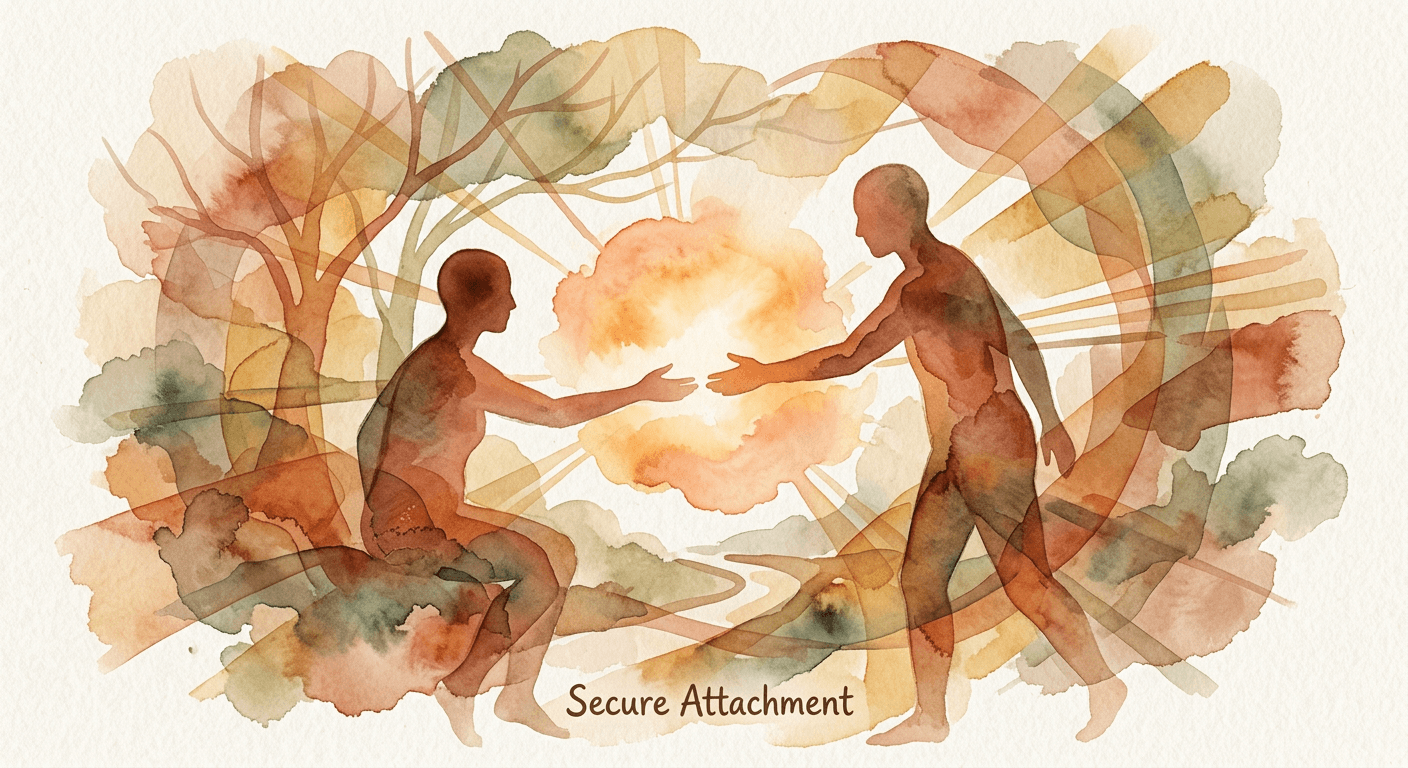
Securely attached individuals feel comfortable with intimacy and independence. They trust their partners, communicate openly, and effectively manage conflict. They believe they are worthy of love and that their partners are generally reliable and available.
How Security Develops
Secure attachment typically stems from consistent, responsive, and loving caregiving in childhood. Children with secure attachments learn that their needs will be met and that they can rely on others, fostering a sense of safety and self-worth that extends into adulthood.
Benefits in Adult Relationships
Partners with secure attachment styles tend to have more stable, satisfying, and resilient relationships. They navigate challenges with greater ease, offer support without losing themselves, and maintain a healthy balance between togetherness and individuality.
Cultivating Earned Security
Even if your early experiences weren't ideal, you can develop 'earned security.' This involves identifying and reprocessing past experiences, developing new coping mechanisms, and intentionally choosing partners who are emotionally available and supportive. Therapy can be a powerful tool in this journey.
Originally published on The Gottman Institute. Read the full article for more details.
Questions about Attachment Theory
What are the four attachment styles?
Secure, anxious-preoccupied, dismissive-avoidant, and fearful-avoidant (also called disorganized). Secure is the most common, at roughly 50-55% of adults; anxious and avoidant each account for about 20-25%, and fearful-avoidant for a small remainder.
Can your attachment style change?
Yes. Attachment style is a learned expectation, not a fixed trait. Longitudinal studies find roughly one in four adults shifts style over time, most often toward security through a consistently responsive partner, individual therapy, or deliberate practice in naming needs directly.
Why are anxious and avoidant people so often attracted to each other?
Each confirms the other's expectation. The anxious partner's pursuit reads as intensity, and the avoidant partner's distance reads as a challenge worth winning. The pairing feels familiar rather than good, which is why it is both common and draining.
Keep reading
- Guide: Understanding Your Attachment Style: A Research-Based Guide to How You Love
- Guide: Rebuilding Self-Worth: How to Stop Settling and Start Choosing
- Guide: Breaking Free from Codependency: A Research-Based Recovery Guide

Attachment Theory
The Importance of Knowing Your Partner's Attachment Style
The Importance of Knowing Your Partner’s Attachment Style Exploring attachment styles can prevent misattributions and boost connection. Posted October 12, 2026| Reviewed by Gary…
Summary of Psychologytoday · 14 min read

Attachment Theory
How Attachment Style Affects Your Health - Psychology Today
How Attachment Style Affects Your Health Evidence From Attachment Theory It's now clear that attachment style affects our health as early as adolescence. Another intriguing…
Summary of Psychologytoday · 11 min read

Attachment Theory
Relationship Attachment Group - Support Group in Seattle, WA, 98108
Single & Secure is a 12-week virtual group for women who want to feel calm, confident, and grounded while dating. We'll work on understanding your attachment ...
Summary of Psychologytoday · 9 min read
Comments
No comments yet.