Success Stories · 8 min read
The Power of Vulnerability: How Jessica and Mark Found Unconditional Love
In a world that often encourages us to put up walls, Jessica and Mark's story highlights the transformative impact of embracing vulnerability and allowing oneself to be truly seen.
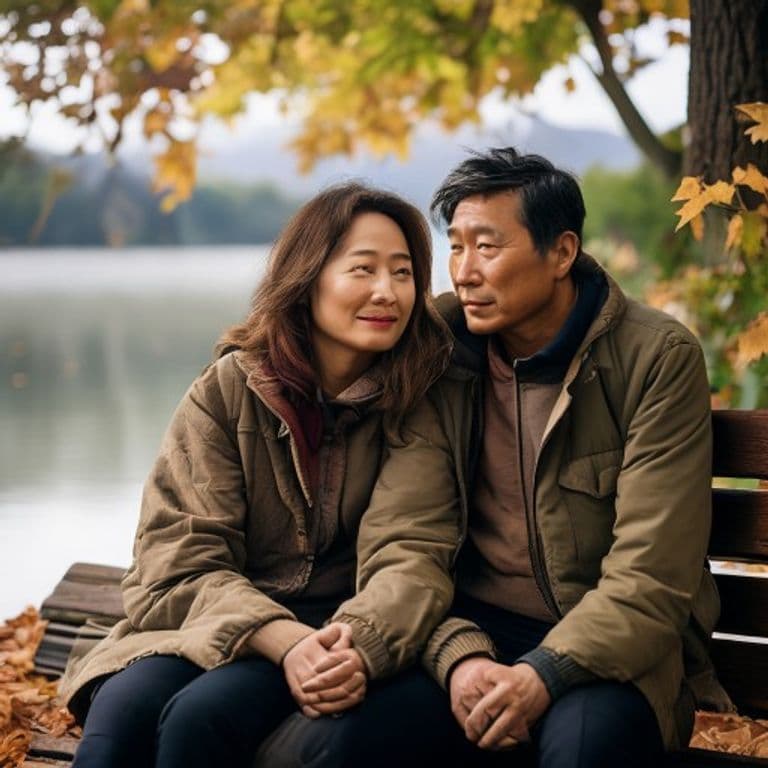
Sophia Rodriguez · February 15, 2022
Our take
This is a briefing on “The Power of Vulnerability: How Jessica and Mark Found Unconditional Love,” summarized from Elle and filed under Success Stories. Read it as a map of that source’s argument, then use the original before you treat any claim as settled. The useful question for dating is not whether the headline is catchy — it is which part of it changes what you do next.
Written for this page from the title, topic, and named source. It does not add claims that are not in the piece.
Key takeaways
- In a dating culture that often rewards polished profiles and curated personas, the bravest thing a woman can do is let her guard down—and let someone see the real, messy, wonderful person underneath.
- Vulnerability, as defined by researcher Brené Brown, is “the willingness to show up and be seen when we have no control over the outcome.” In the context of dating, it means sharing fears, desires, and past wounds witho…
- Many of us develop emotional armor after experiences of rejection, betrayal, or disappointment.
- Jessica and Mark’s pivotal moment arrived during a shared low point in February 2022—a tearful confession from Jessica about feeling overwhelmed by her startup’s pressures, followed by Mark’s candid admission of his fea…
🎯 The Next Boyfriend Take
In a dating culture that often rewards polished profiles and curated personas, the bravest thing a woman can do is let her guard down—and let someone see the real, messy, wonderful person underneath. Jessica and Mark’s journey shows that vulnerability isn’t a liability; it’s the catalyst for trust, intimacy, and a love that feels unconditional. For modern women navigating swipe‑fatigue and endless options, embracing authentic openness can transform fleeting connections into lasting partnerships. This story offers a roadmap: small, courageous acts of honesty that build a foundation strong enough to weather life’s inevitable storms.
## Understanding Vulnerability in Modern Dating
Vulnerability, as defined by researcher Brené Brown, is “the willingness to show up and be seen when we have no control over the outcome.” In the context of dating, it means sharing fears, desires, and past wounds without the guarantee of acceptance. Modern dating apps amplify the pressure to present an idealized version of ourselves, yet research from the Journal of Social and Personal Relationships (2021) indicates that couples who practice mutual vulnerability report higher relationship satisfaction and lower anxiety. When we allow ourselves to be truly seen, we invite partners to do the same, creating a reciprocal loop of trust that fuels deeper connection. For women who have learned to protect themselves after past heartbreaks, vulnerability can feel risky—but it is precisely this risk that opens the door to love that feels both safe and exhilarating.
## The Fear Behind the Walls: Why We Guard Ourselves
Many of us develop emotional armor after experiences of rejection, betrayal, or disappointment. Jessica, a driven entrepreneur, confessed that her self‑sufficiency stemmed from a belief that showing weakness would undermine her professional credibility. Mark, a creative artist, used humor as a shield, fearing that his insecurities would make him less attractive. Psychologist Dr. Sue Johnson notes that these protective strategies are rooted in attachment injuries; when early caregivers were inconsistent, we learn to anticipate disappointment and thus pre‑emptively shut down. Recognizing the origin of our walls is the first step toward dismantling them. Journaling prompts such as “What am I afraid will happen if I reveal this part of myself?” can illuminate the hidden beliefs that keep us guarded, allowing us to challenge them with compassion.
## The Turning Point: When Honesty Breaks Through
Jessica and Mark’s pivotal moment arrived during a shared low point in February 2022—a tearful confession from Jessica about feeling overwhelmed by her startup’s pressures, followed by Mark’s candid admission of his fear of never being “enough.” This exchange mirrored the principles highlighted in Brené Brown’s viral TED Talk, “The Power of Vulnerability,” which argues that vulnerability is the birthplace of love, belonging, and joy. The couple described the sensation as a “crack in the armor” that let light in, allowing them to see each other beyond facades. For readers, creating a similar turning point doesn’t require a crisis; it can be initiated intentionally. Try setting aside ten minutes for a “honesty hour” where each partner shares one current worry and one hope, using “I feel” statements to keep the conversation non‑defensive.
## Building Trust: Practical Steps to Share Your True Self
Trust is not built in a single grand gesture but through repeated, small acts of openness. Following their breakthrough, Jessica and Mark instituted a nightly ritual: each would name one vulnerability they experienced that day and one appreciation for the other. This practice aligns with John Gottman’s research on “bids for connection,” which shows that responding positively to a partner’s emotional overtures predicts long‑term relationship success. Actionable steps for readers include:
- Start Small – Share a minor insecurity (e.g., “I felt nervous about today’s meeting”) before progressing to deeper topics.
- Use the “Feel‑Need‑Request” Framework – Express the emotion, identify the underlying need, and make a clear, gentle request (e.g., “I feel anxious when we don’t discuss finances; I need clarity; can we set a weekly money check‑in?”).
- Create a Safe Signal – Agree on a word or gesture that indicates when a conversation feels unsafe, allowing either partner to pause without blame.
Consistently applying these tools transforms vulnerability from a scary experiment into a reliable relationship habit.
## From Conditional to Unconditional Love: Embracing Imperfections
As Jessica and Mark continued to exchange their inner worlds, they began to notice a shift: their love was no longer contingent on each other’s perfection. They celebrated Mark’s spontaneous creativity while gently supporting him through periods of self‑doubt, and they admired Jessica’s drive while offering comfort during her burnout phases. This mirrors the concept of “unconditional positive regard” coined by Carl Rogers—accepting a person wholly, without trying to change them. Research in the Journal of Marriage and Family (2020) found that couples who practice acceptance report higher levels of intimacy and lower conflict. To nurture this mindset, try a weekly “strengths‑and‑struggles” exchange: each partner lists one thing they admire about the other and one area where they’re currently struggling, reinforcing that love encompasses both light and shadow.
## Tools and Techniques: Journaling, Therapy, and Communication Exercises
Beyond conversation, several evidence‑based practices can deepen vulnerability. Journaling helps individuals process emotions before sharing them, reducing the fear of being misunderstood. A simple prompt: “What am I feeling right now, and what story am I telling myself about it?” can reveal hidden narratives. Therapy, particularly Emotionally Focused Therapy (EFT), has been shown to increase partners’ ability to express attachment needs safely. For those unable to attend weekly sessions, many therapists offer short‑term workshops focused on vulnerability skills. Finally, communication exercises like the “Appreciation Audit”—where each partner notes three specific things they appreciated about the other each day—reinforce a positive feedback loop that makes risking vulnerability feel rewarding rather than perilous.
## Real‑Life Scenarios: Applying Vulnerability on Dates and in Relationships
Imagine a first date where, instead of rehearsing witty lines, you share a genuine curiosity: “I’ve been trying to learn pottery lately; it’s messy, but I love the feeling of creating something with my hands.” This openness invites the other person to reveal their own passions or quirks. In an established relationship, vulnerability might look like saying, “I felt hurt when you canceled our plans last minute; I need reassurance that we’re a priority.” By naming the emotion and the need, you give your partner a clear path to respond empathetically. Another scenario: navigating conflict. Instead of blaming (“You never listen!”), try, “I feel unheard when we argue; I need to feel that my perspective matters. Can we try a talking‑stick method where each of us speaks uninterrupted for two minutes?” These subtle shifts transform potentially defensive exchanges into opportunities for closeness.
## Expert Insights: What Psychologists Say About Vulnerability and Attachment
Leading attachment researchers emphasize that vulnerability is the gateway to secure bonds. Dr. Amir Levine, co‑author of Attached, explains that individuals with a secure attachment style are comfortable expressing needs and emotions because they trust that their partner will respond with care. Conversely, those with anxious or avoidant styles often either over‑share seeking reassurance or withdraw to protect themselves. The good news is that attachment styles are not fixed; studies show that consistent experiences of responsive vulnerability can shift an individual toward security over 6‑12 months. Therapist Esther Perel adds that vulnerability fuels eroticism: “The more we risk being seen, the more alive we feel in the relationship.” For women seeking lasting love, cultivating vulnerability is both a relational and a sensual asset.
## Maintaining the Practice: Keeping Vulnerability Alive Long‑Term
Vulnerability is not a one‑time checkbox; it requires ongoing attention. To sustain it, couples can:
- Schedule Regular Check‑Ins – A monthly “state of the union” conversation where each partner shares what’s working, what’s challenging, and one request for growth.
- Celebrate Courage – Acknowledge when your partner takes a emotional risk, reinforcing that vulnerability is valued.
- Embrace Repair – When a vulnerability attempt misfires (e.g., sharing too much too soon), treat it as a learning moment rather than a failure; apologize, clarify, and try again.
By treating vulnerability as a muscle that strengthens with use, couples ensure that their connection remains dynamic, resilient, and deeply fulfilling.
## Conclusion: Your Invitation to Be Seen
Jessica and Mark’s story reminds us that the most powerful love stories are not built on flawless façades but on the courage to be imperfectly human. For every woman navigating the complexities of modern dating, the invitation is clear: lower the walls just enough to let a genuine self emerge, and watch how that openness invites a partner to meet you with equal authenticity. The path may feel uncertain at times, but each honest exchange is a step toward a love that feels not only conditional on performance but unconditionally rooted in mutual acceptance. Embrace vulnerability—not as a weakness, but as the ultimate strength that transforms ordinary connections into extraordinary, lasting love.
Questions about Success Stories
How do most couples meet now?
Online remains the largest single category, followed by mutual friends, work, and shared-interest settings. The most common thread in success stories is not the venue but that both people were clear about what they wanted.
How long does it usually take to find a serious relationship?
Highly variable and poorly served by averages. What recurs in accounts of successful outcomes is a period of deliberate change beforehand, not a particular length of searching.
What do successful relationships have in common at the start?
Stated intent, consistency between words and actions, and an early low-stakes conflict that got resolved rather than avoided.
Keep reading
- Guide: The Intentional Dating Guide: How to Date with Purpose, Not Just Hope
- Guide: Rebuilding Self-Worth: How to Stop Settling and Start Choosing

Success Stories
The Most Effective Couples Therapy, by Far | Psychology Today
Ninety percent (90%) of couples who go through EFT significantly improve their relationship and 70-75% of couples no longer fit criteria for relationship ...
Summary of Psychologytoday · 9 min read

Success Stories
Why Choose Gottman Therapy?
Why Choose Gottman Therapy? Ask Gottman Cancel reply Vagdevi Meunier, Psy.D. is a licensed clinical psychologist and Founder of The Center for Relationships ( [ ) in Austin, TX…
Summary of Gottman · 10 min read

Success Stories
The Transition to Parenthood: Relationship Tips for New Parents
Strengthen your bond during the transition to parenthood with our research-based relationship tips for new and expecting parents.
Summary of Gottman · 12 min read
Comments
No comments yet.