Self-Growth · 12 min read
The Power of Vulnerability: Opening Up for Deeper Connection
In a world that often encourages stoicism, vulnerability can be a surprising source of strength, leading to deeper connections and more authentic romantic experiences.
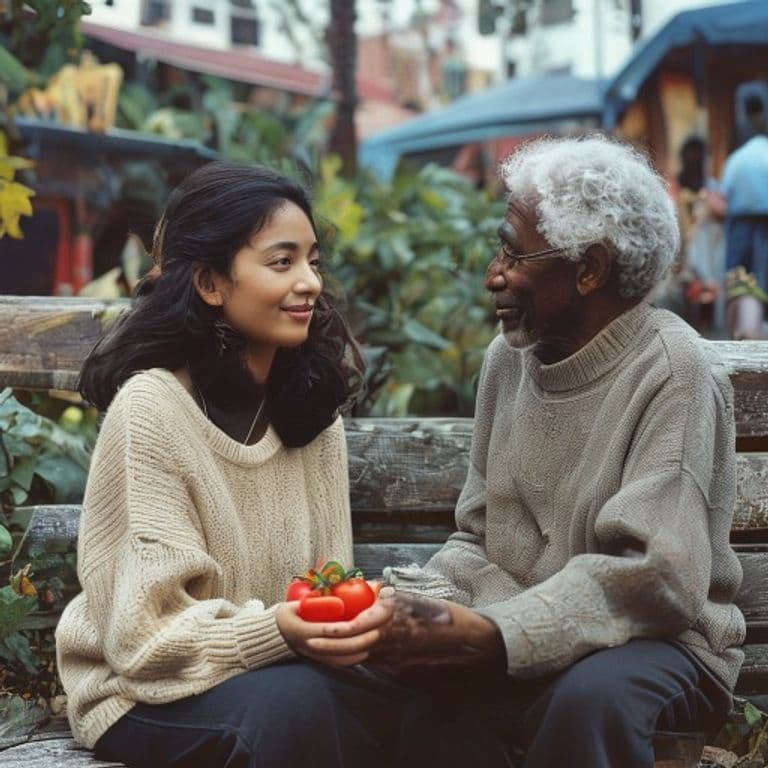
Chloe Davis · June 9, 2023
Our take
Forget everything you thought you knew about being "strong" in love. For too long, women have been taught to play it cool, to protect their hearts with an armor of nonchalance, and to never let a potential partner see them sweat. But what if the very thing we’re told to hide – our vulnerability – is actually our greatest asset in finding authentic connection? At Next Boyfriend, we believe ditching the impenetrable facade is the courageous act that truly transforms your dating life, inviting in the kind of deep, meaningful relationships you’ve been searching for. It's time to redefine strength, ladies, and own your beautifully messy, utterly human selves.
Key takeaways
- In a dating landscape saturated with curated profiles and perfected personas, the idea of genuine connection often feels like a distant dream.
- True intimacy, the kind that makes your soul hum, isn't just about physical closeness or shared activities.
- The word "vulnerability" can sound daunting, conjuring images of oversharing your deepest trauma on a first date or crying uncontrollably in front of a new acquaintance.
- If the idea of being vulnerable feels like walking a tightrope without a net, you're not alone.
Redefining Vulnerability: It's Not Weakness, It's Your Superpower
In a dating landscape saturated with curated profiles and perfected personas, the idea of genuine connection often feels like a distant dream. We're conditioned to present our best selves, to hide our flaws, and to never appear "too much" or "too needy." Yet, as originally highlighted by Chloe Davis in an insightful piece shared on social media, the power of vulnerability lies precisely in challenging this deeply ingrained societal norm. It’s a concept that has been widely discussed, notably by research professor Dr. Brené Brown, who has famously taught us that vulnerability is not a weakness but "the courage to show up and be seen when we have no control over the outcome."
This redefinition is crucial for modern women navigating the complexities of dating and relationships. For generations, strength has been equated with stoicism, with an ability to weather storms alone and without visible cracks. But think about the relationships that truly resonate with you – the ones where you feel fully accepted, deeply understood. These aren’t built on a foundation of perfection; they're forged in shared experiences of imperfection, doubt, and sincere emotional expression. When you allow yourself to be vulnerable, you're not surrendering your power; you're reclaiming it by choosing authenticity over artifice. You're showing up as you are, daring someone to love the real you, and in doing so, you're inviting a connection that has the potential to be profoundly more real and enduring.
The Intimacy Equation: Vulnerability as the Catalyst for Deeper Bonds
True intimacy, the kind that makes your soul hum, isn't just about physical closeness or shared activities. It’s about emotional nakedness, a willingness to let another person truly see your inner landscape – your fears, your hopes, your past wounds, and your wildest dreams. This profound level of connection is precisely what vulnerability unlocks. When you take the courageous step to share something personal, something that makes you feel a little exposed, you create an opening. You're essentially saying, "Here I am, flaws and all. Do you see me?"
This act invites reciprocity. When one partner bravely offers a piece of their authentic self, it often encourages the other to do the same. This creates a powerful feedback loop where mutual sharing deepens understanding and strengthens the emotional scaffolding of the relationship. Imagine the difference between two people who only ever discuss surface-level topics – their jobs, the weather, their latest Netflix binge – versus a couple who feels safe enough to discuss their anxieties about the future, a moment of profound personal struggle, or even a silly, embarrassing childhood memory. The latter builds a bond that feels resilient, cherished, and irreplaceable, because it's rooted in a shared experience of being truly known. Without vulnerability, intimacy remains shallow, perpetually orbiting the superficial.
Beyond the Buzzword: What Does Vulnerability Actually Look Like?
The word "vulnerability" can sound daunting, conjuring images of oversharing your deepest trauma on a first date or crying uncontrollably in front of a new acquaintance. But authentic vulnerability isn't about uncontrolled emotional dumping; it's a measured, conscious choice to share your true self in a way that aligns with the context of the relationship. It's about appropriate disclosure that fosters connection, not discomfort.
So, what does it look like in practice for women navigating modern dating?
- Admitting you’re nervous: On a first date, instead of trying to be effortlessly cool, saying, "I'm a little nervous but really excited to meet you," can be incredibly endearing and humanizing.
- Expressing a genuine desire: Instead of waiting for him to guess, openly communicating, "I'm looking for a serious, committed relationship," or "I really appreciate it when someone takes the initiative," shows clarity and courage.
- Sharing a past mistake or insecurity: Once a level of trust is established, revealing a past failure or a lingering insecurity (e.g., "I sometimes struggle with feeling good enough") allows your partner to see your humanity and offer support.
- Asking for help or support: Admitting you don't have all the answers or that you're struggling with something ("Could you help me with this?" or "I'm having a tough day, and I could really use a hug") is a powerful act of trusting your partner.
- Voicing your fears: Telling your partner, "I'm scared of getting hurt," or "I worry about us sometimes," rather than bottling it up, creates an opportunity for reassurance and deeper dialogue.
- Expressing positive emotions openly: It's not just about sharing negative feelings. Telling someone, "I feel so happy when I'm with you," or "I'm falling for you," is also a vulnerable act because it puts your heart on the line.
The key is intentionality and attunement. It's not about saying everything to everyone, but about choosing to open up to the right person at the right time in a way that builds trust and connection.
Cultivating Your Vulnerability Muscle: Practical Steps
If the idea of being vulnerable feels like walking a tightrope without a net, you're not alone. It's a skill, and like any skill, it can be developed and strengthened over time. The original content rightly emphasized practical steps, and here are expanded ways to gradually increase your comfort level:
Practice Mindful Self-Awareness: Before you can share your true self with another, you need to understand it yourself.
- Journaling: Regularly write down your thoughts, feelings, fears, and hopes. Don't filter; just let it flow. This helps you identify what makes you feel vulnerable and what you might want to share.
- Meditation/Self-Reflection: Take time to sit with your emotions. What comes up? What are you trying to push away? Acknowledging your inner landscape is the first step to sharing it.
Challenge Self-Critical Thoughts: Our inner critic is often the biggest barrier to vulnerability. It whispers, "You'll look stupid," "They won't like you," or "You're not good enough."
- Identify the Voice: Learn to recognize when your inner critic is speaking. Is it truly a helpful thought, or is it based on old fears and insecurities?
- Reframe and Replace: Consciously challenge these thoughts. Instead of "They'll think I'm weak," try "Sharing this makes me strong and authentic." Replace self-judgment with self-compassion.
Start with Small, Safe Disclosures: You don't have to leap into the deep end immediately.
- Trusted Friends/Family: Begin by practicing vulnerability with people you already trust implicitly. Share a minor insecurity or a fear you have. Observe their reaction and how it feels to be seen.
- Low-Stakes Dating Scenarios: On a casual date, instead of giving a generic answer about your weekend, share a small, genuine feeling: "I'm really excited about this new project at work, but also a little overwhelmed."
- One Step at a Time: With a new romantic interest, choose one small thing that feels a little risky but not terrifying. Maybe it's admitting you love corny romantic comedies or sharing a quirky habit. Build from there.
Set Healthy Boundaries: Vulnerability doesn't mean having no boundaries. It means choosing who you're vulnerable with and how much. Understand that not everyone has earned the right to your deepest self. Disclosing too much too soon can actually push people away or leave you feeling exposed and regretful. Practice discernment.
Navigating Fear and Rejection: The Inherent Risks and Rewards
Let's be real: embracing vulnerability comes with inherent risks. The fear of rejection, of being misunderstood, or even of being hurt, is legitimate. As Chloe Davis's original point noted, acknowledging these risks is part of the process. Every time you open your heart, you're creating an opportunity for it to be broken. This is the paradox. But what's the alternative? Living a life where your heart is perpetually guarded, missing out on the very depths of connection you crave?
Strategies for managing these fears:
- Self-Compassion is Key: If you experience rejection after being vulnerable, treat yourself with kindness. It's not a reflection of your worth but often a misalignment of connection or someone else's inability to meet you where you are. Rejection is rarely about you being unlovable; it’s about you not being the right fit for that person, and vice-versa.
- Reframe Rejection as Redirection: Each instance of being vulnerable, even if it leads to rejection, is an act of personal growth. It refines your understanding of yourself, your boundaries, and what you truly need in a partner. It redirects you towards someone who will cherish your authenticity.
- Focus on Your Courage, Not Their Reaction: The power of vulnerability lies in your willingness to show up, regardless of the outcome. The act itself is a testament to your strength. Celebrate that courage, independent of how someone else responds.
- Trust Your Gut: Develop your intuition to discern when and with whom to be vulnerable. Not everyone deserves access to your deepest self. The right partner will meet your vulnerability with empathy and appreciation, not judgment or exploitation.
Remember, the goal isn't to never feel fear, but to act bravely in spite of it. The truly transformative relationships are born when both parties are willing to lean into that discomfort.
The Payoff: What You Gain When You Dare to Be Seen
The dividends of embracing vulnerability are immense, extending far beyond the realm of romantic relationships. When you dare to be vulnerable, you cultivate a life rich with:
- Authentic Relationships: You attract partners who love you, not the carefully constructed facade you present. This foundational honesty leads to relationships that feel stable, genuine, and deeply satisfying.
- Increased Self-Esteem and Self-Acceptance: Paradoxically, when you allow yourself to be seen with all your imperfections, you begin to accept them more fully yourself. You realize that your flaws don't diminish your worth; they make you uniquely human and relatable.
- Enhanced Emotional Resilience: Each act of vulnerability, whether it leads to connection or a setback, builds your emotional strength. You learn that you can face discomfort and survive, making you more adaptable to life's inevitable challenges.
- Deeper Personal Growth: Vulnerability pushes you out of your comfort zone, forcing you to confront fears and insecurities head-on. This process is a powerful catalyst for profound self-discovery and personal development.
- A Sense of Belonging: When you allow yourself to be truly known, you experience a profound sense of belonging. This is not about fitting in, but about being accepted for who you genuinely are, which is one of humanity's deepest needs.
Vulnerability in Action: Real-World Dating Scenarios
Let's bring this to life with a few common dating scenarios:
The First Date: Instead of sticking to rehearsed answers, when asked "What do you do for fun?", you might say, "I actually love spending my evenings reading sci-fi novels and trying to teach myself to code, which is a bit nerdy but I find it really exciting." This is vulnerable because it's specific, personal, and might not be what the "cool" answer is. It reveals genuine passion and opens a door for a more interesting conversation than a generic "hanging out with friends."
The "Where is this going?" Talk: Instead of playing games or hinting, you might say, "I've really enjoyed getting to know you, and I feel myself developing stronger feelings. I'm hoping we're on the same page about moving towards a more committed relationship." This is vulnerable because it articulates your desires and risks hearing a response you don't want, but it's essential for clarity and true connection.
Resolving Conflict: During an argument, instead of shutting down or getting defensive, you could say, "I'm feeling really hurt by what you said, and I'm also a little scared that this argument could damage what we have. Can we talk about it gently?" This shares your raw emotion, your fear, and an invitation for a constructive resolution, rather than just escalating the fight.
Celebrating Success: After a big achievement, instead of just saying "I got the promotion!", you might add, "I got the promotion! I'm so thrilled, but also a little terrified about the new responsibilities. I'm really going to need your support." This shows both joy and a relatable human fear, strengthening the bond through shared experience.
In each scenario, vulnerability isn't about weakness; it's about courageously inviting another person into your authentic experience, thereby paving the way for a deeper, more resilient connection.
The Next Boyfriend Pledge: Your Journey to Deeper Love
The journey to embracing vulnerability is not a sprint; it's a marathon of self-discovery and courageous self-expression. It requires patience, self-compassion, and a willingness to take calculated risks. But the reward – authentic, deeply satisfying relationships built on a foundation of trust and genuine understanding – is immeasurable.
We at Next Boyfriend urge you to challenge the old narratives that equate strength with an impenetrable facade. Instead, let's redefine strength as the brave act of showing up as our true, imperfect selves. As Chloe Davis's original insights remind us, and as championed by experts like Dr. Brené Brown, vulnerability is the pathway to living wholeheartedly, not just in dating, but in all aspects of life. It’s the secret ingredient for relationships that don't just survive but truly thrive. So, take a deep breath, shed that armor, and dare to be seen. Your next boyfriend, and the profound love you deserve, might just be waiting for the real you to emerge.
Questions about Self-Growth
How do I build self-worth before dating?
Treat it as behavioural rather than emotional. Keep small promises to yourself, practise disappointing people in low-stakes situations, and build sources of identity outside romance. Confidence follows the evidence rather than preceding it.
What is the difference between having standards and having walls?
Standards describe how you expect to be treated and stay stable as you get to know someone. Walls are pre-emptive exits designed to prevent closeness. If your criteria keep getting stricter the more you like someone, that is protection, not discernment.
How do I stop people-pleasing in relationships?
Start by noticing the automatic yes. Buy time with a stock phrase like 'let me check and get back to you', then practise small refusals. The goal is tolerating someone else's brief disappointment without treating it as an emergency.
Keep reading
- Guide: Rebuilding Self-Worth: How to Stop Settling and Start Choosing
- Guide: Breaking Free from Codependency: A Research-Based Recovery Guide
- Guide: Emotional Intelligence in Relationships: The Skill That Matters More Than Attraction

Self-Growth
5 Ways Emotional Intelligence Makes Trust Easier | Psychology Today
Research shows that people with higher emotional intelligence are better at identifying relational asymmetry and are more willing to set boundaries or create ...
Summary of Psychologytoday · 13 min read

Self-Growth
3 Signs of an Intelligent Partner | Psychology Today
Experiencing and labeling your emotions like this is a checkpoint you must cross before you make any judgments about your partner's emotional and mental state.
Summary of Psychologytoday · 10 min read

Self-Growth
The Greatest Block to Your Personal Growth
To experience significant personal growth, you must feel safe enough to explore who you can become before exploring who you think you are today.3 However, you ...
Summary of Psychologytoday · 14 min read
Comments
No comments yet.