Dating Apps & Technology · 14 min read
The Psychology of Rejection on Dating Apps: How to Cope and Rebound
Rejection stings, especially in the high-volume world of dating apps. This article explores the psychology behind digital rejection and offers healthy coping mechanisms to build resilience and move forward.
Kendra Cherry · March 12, 2026
Our take
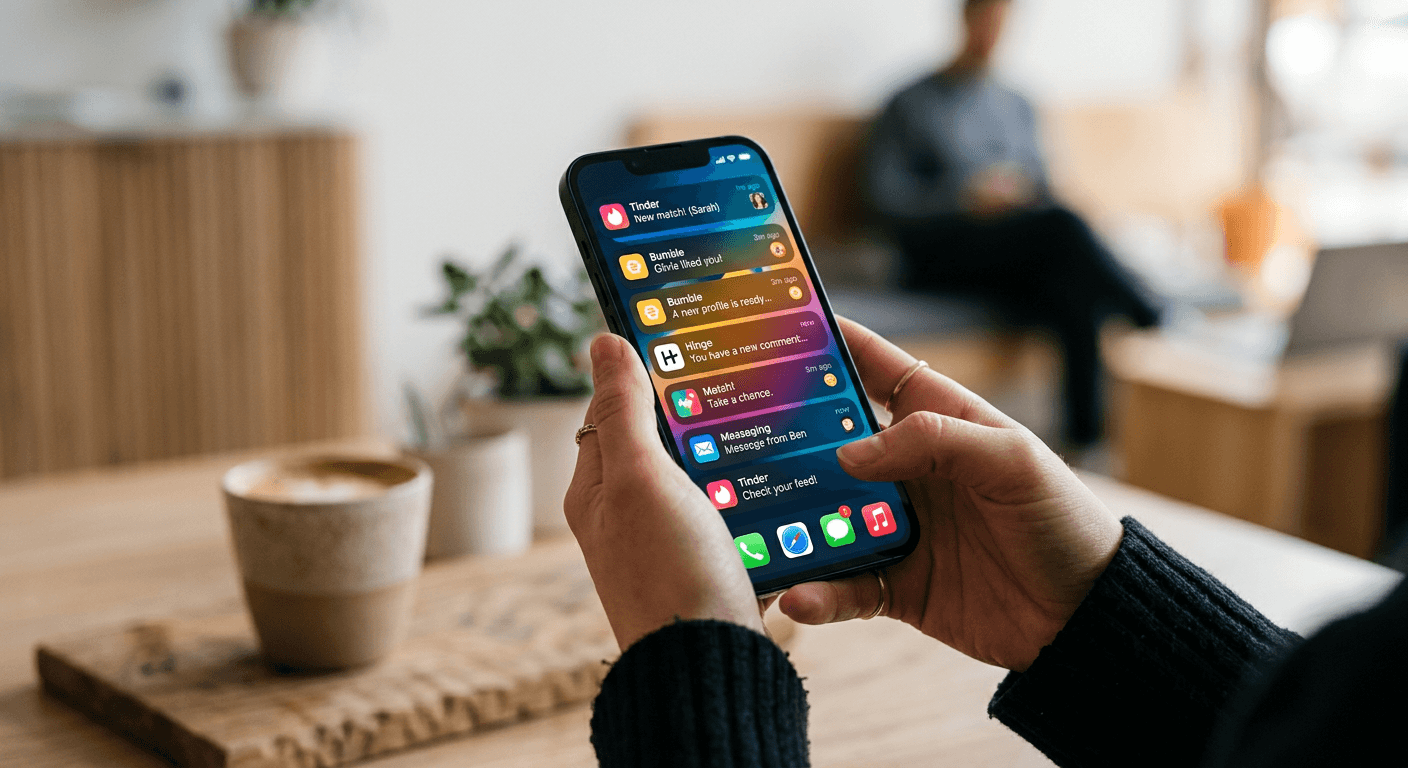
Let's be real, ladies: the digital dating landscape can feel like a minefield of emotional whiplash. Swiping left, right, getting unmatched, or staring at a read receipt that never turns into a reply – it all adds up to a special kind of sting that the pre-app generation never had to contend with. But before you delete all your dating apps and swear off human connection forever, take a breath. Understanding the why behind that digital rejection is the first step to reclaiming your power and building the kind of resilience that will help you find a great boyfriend, not just any boyfriend. This isn't about toughening up; it's about smart strategy and self-love in a world that often prioritizes fleeting attention over genuine connection.
Key takeaways
- In the grand tapestry of modern romance, dating apps have woven themselves into the very fabric of how we connect, explore, and, yes, get rejected.
- Our brains are hardwired to respond to social rejection with a similar intensity to physical pain.
- The "unmatch" is perhaps one of the most bewildering forms of digital rejection.
- Ghosting, the act of suddenly cutting off all communication without explanation, is a pervasive and particularly hurtful form of digital rejection.
The Inevitable Sting of Digital Rejection
In the grand tapestry of modern romance, dating apps have woven themselves into the very fabric of how we connect, explore, and, yes, get rejected. While online dating offers an unprecedented volume of potential partners, it also amplifies the frequency and intensity of rejection. From the seemingly innocuous "unmatch" that appears out of nowhere, to the soul-crushing silence of a message left on "read," or the definitive, albeit often unspoken, "no," these digital encounters can leave us feeling bruised and questioning our worth. Understanding the psychology that underpins these experiences isn't about making excuses for bad behavior; it's about equipping ourselves with the knowledge to navigate this landscape with our emotional well-being intact and our confidence soaring. As Kendra Cherry points out in her original work on Verywell Mind, the very nature of dating apps can contribute to feelings of anxiety and depression, making it even more crucial to develop healthy coping mechanisms.
Why Does Rejection Hit So Hard in the Digital Realm?
Our brains are hardwired to respond to social rejection with a similar intensity to physical pain. Neuroimaging studies have shown that the same brain regions are activated when we experience social exclusion as when we feel physical hurt. On dating apps, this phenomenon is magnified. The sheer volume of interactions means a higher probability of experiencing rejection in rapid succession. Each swipe left, each ghosting, each unanswered message can feel like a small hit to our self-esteem, creating a cumulative effect that fosters feelings of inadequacy, sadness, and anxiety. The anonymity and impersonality of digital communication also strip away the nuances of human interaction. A polite rejection in person allows for a brief moment of understanding, perhaps even a shared laugh or a moment of empathy. Digital rejection, however, can feel abrupt, arbitrary, and devoid of closure, leaving us to fill in the blanks with our own worst-case scenarios. This lack of closure is particularly damaging, making it significantly harder to process the rejection and move on.
Decoding the Psychology of the "Unmatch"
The "unmatch" is perhaps one of the most bewildering forms of digital rejection. You've exchanged messages, perhaps even planned a date, and then, with a flick of a thumb, the conversation vanishes. There's no explanation, no goodbye, just an abrupt severing of connection. Psychologically, this can trigger a sense of confusion and disbelief. Our minds seek patterns and explanations, and the absence of either leaves us in a state of unease. The unmatch can feel like a judgment passed without due process. Was it something I said? Was it my profile picture? Did they find someone "better"? These questions can spiral, feeding into self-doubt and a distorted perception of our desirability. It’s essential to remember that the unmatch is rarely a reflection of your inherent value. It often speaks more to the other person's indecisiveness, fear of commitment, or simply a change of heart that they're unwilling or unable to communicate directly.
The Ghosting Phenomenon: A Silent Killer of Confidence
Ghosting, the act of suddenly cutting off all communication without explanation, is a pervasive and particularly hurtful form of digital rejection. It leaves the abandoned party in a state of limbo, oscillating between hope and despair. The psychological impact of ghosting can be profound. It creates an emotional void, devoid of the closure that allows us to process and heal. Without knowing why the connection ended, individuals are left to ruminate, to replay conversations, and to invent explanations that are often self-deprecating. This can erode self-confidence and foster a deep sense of insecurity. The research by Kendra Cherry on Verywell Mind hints at how these constant digital stressors can contribute to broader mental health challenges, and ghosting is undoubtedly a significant contributor to that stress. It’s a particularly cowardly way to end communication, and while it may be easier for the ghoster, it inflicts unnecessary pain on the ghosted.
The "Read Receipt" Riddle: Anxiety in Plain Sight
Then there's the dreaded "read receipt." You've sent a thoughtful message, invested emotional energy, and watched as the little indicator confirms your words have been seen. And then... nothing. This simple digital cue can become an agonizing source of anxiety. The waiting game that ensues can feel like an eternity, and the silence that follows can be interpreted in a myriad of negative ways. Did they not like my message? Are they busy? Are they deliberately ignoring me? This uncertainty is fertile ground for overthinking and self-doubt. The digital platform provides a window into the other person's activity, but it offers no insight into their intentions or feelings. This asymmetry of information can be incredibly frustrating and anxiety-inducing, leaving you feeling vulnerable and powerless.
Reclaiming Your Power: Healthy Coping Mechanisms
The good news is that while digital rejection is an unfortunate reality, it doesn't have to define your dating experience or your self-worth. Developing healthy coping mechanisms is paramount to maintaining your mental well-being and continuing your journey to find a fulfilling connection. One of the most crucial strategies is to don't personalize it. Remember that a rejection, especially in the fast-paced world of dating apps, is rarely a definitive statement about your inherent worth or desirability. It's often a complex interplay of compatibility, timing, the other person's individual preferences, their own insecurities, or even factors entirely unrelated to you.
If you find yourself feeling overwhelmed by the constant barrage of digital interactions and potential rejections, limit your exposure. This doesn't mean giving up on dating altogether, but rather setting boundaries for yourself. Schedule dedicated times for app usage and stick to them. If you're feeling particularly vulnerable or discouraged, take a complete break from the apps for a few days or even a week. This space can provide much-needed perspective and allow your emotional reserves to replenish.
Focus on your self-worth outside of dating. Remind yourself of your positive qualities, your accomplishments, your passions, and the people who love and appreciate you. Dating apps often create a distorted reality where validation is sought from strangers. Shift your focus inward. Engage in activities that make you feel good about yourself, whether it's exercise, creative pursuits, spending time with friends, or career development. When your sense of self-worth is firmly rooted in your own accomplishments and relationships, external rejections lose their power to dismantle you.
Crucially, talk about it. Share your feelings and experiences with a trusted friend, family member, or even a therapist. Voicing your frustrations and anxieties can be incredibly cathartic. Hearing a sympathetic ear and receiving external validation can help you gain perspective and realize you're not alone in your struggles. A therapist can also provide professional guidance on developing more robust coping strategies.
Finally, practice self-compassion. Treat yourself with the same kindness, understanding, and empathy you would offer to a dear friend going through a similar experience. Acknowledge that rejection is painful, validate your feelings, and remind yourself that you are doing your best in a challenging environment. Self-compassion is not about making excuses for poor behavior from others; it's about being gentle with yourself as you navigate the emotional ups and downs of dating.
Building Unshakeable Resilience for Future Dating
Each rejection, while painful in the moment, can serve as a valuable building block for resilience. By reframing these experiences not as failures, but as opportunities for growth, you can emerge stronger and more prepared for future dating endeavors. Understand that dating apps are, to a large extent, a numbers game. Not every interaction will blossom into a meaningful connection, and that's perfectly okay. This realization can help to de-personalize the rejections and reduce their emotional sting.
As you continue to use dating apps, use the insights gained from your experiences to refine your approach. Perhaps your profile could be clearer about your intentions, or maybe your photos could better reflect your personality. Experiment with different messaging styles or be more upfront about what you're looking for. This ongoing process of self-improvement and adjustment is a testament to your commitment to finding the right fit, not just settling for anyone.
Most importantly, remember that the goal isn't to become impervious to rejection, but to develop a robust inner strength that allows you to bounce back. The right match, the one who will ultimately be your "Next Boyfriend," will appreciate you for exactly who you are, imperfections and all. They won't be deterred by a past rejection from someone else, nor will they inflict unnecessary pain through ghosting or silence. They will value your communication, respect your time, and recognize your worth. Your journey on dating apps is about discovering not just potential partners, but also a deeper understanding and appreciation of yourself.
The Social Comparison Trap and its Psychological Toll
One of the insidious side effects of dating app culture is the constant social comparison it fosters. We are presented with an endless parade of curated profiles, each seemingly embodying an idealized version of life and love. This can lead to feelings of inadequacy, as we compare our own perceived flaws and mundane realities to the highlight reels of others. The research by Kendra Cherry on Verywell Mind highlights how dating app usage can be linked to social anxiety and depression, and this constant comparison is a significant contributor. Seeing others seemingly having effortless success in finding partners or appearing more attractive, successful, or happy can trigger a spiral of self-doubt. It's crucial to remind ourselves that these profiles are often carefully constructed facades, and what we see is rarely the full, unvarnished truth.
Understanding the "Paradox of Choice" in Digital Dating
Dating apps often present us with a "paradox of choice." While having many options might seem like a good thing, research suggests that an overwhelming number of choices can lead to indecision, dissatisfaction, and a feeling of being unable to commit. In the context of dating apps, this can manifest as a constant urge to keep swiping, always believing that there might be someone "better" just one profile away. This perpetual search for perfection can lead to overlooking good potential partners, devaluing existing connections, and ultimately, feeling more alone and unsatisfied. Recognizing this psychological phenomenon can help you to be more intentional with your swiping and more appreciative of the genuine connections you do make.
The Importance of Real-World Connections
While dating apps are a powerful tool, it's vital to remember that they are just one piece of the puzzle when it comes to finding love. Prioritizing and nurturing real-world connections can offer a more authentic and grounded experience. Engaging in hobbies, joining social groups, attending local events, and spending quality time with friends can lead to organic encounters with people who share your interests and values. These interactions often lack the performative pressure of a dating app profile and can foster a deeper sense of connection. When you invest in your life outside of the apps, you increase your chances of meeting someone organically and also build a stronger support system that can buffer the effects of any digital dating disappointments.
Setting Boundaries: Protecting Your Emotional Energy
In the high-volume, often low-stakes world of dating apps, setting clear boundaries is not a sign of being difficult; it's a sign of self-respect. This includes setting boundaries around your time spent on apps, the types of conversations you're willing to engage in, and your expectations for communication. For example, you might decide to limit your app usage to 30 minutes a day or to only engage with profiles that have a good amount of information. You might also set a boundary for yourself regarding how many conversations you're willing to juggle simultaneously. Protecting your emotional energy is paramount. If a conversation feels draining, disrespectful, or is leading to negative feelings, it's okay to disengage. You don't owe anyone an explanation for prioritizing your own well-being.
The "Bad Date" as a Learning Opportunity
Even seemingly "bad dates" can be valuable learning experiences, even if they end in disappointment or a perceived rejection. Instead of dwelling on what went wrong or feeling demoralized, try to extract lessons from the encounter. Did you learn something new about what you're looking for in a partner? Did the date highlight a particular communication style you enjoy or dislike? Did it reveal any patterns in your own behavior or expectations? Approaching each date with a curious and learning mindset, rather than solely with the expectation of finding "The One," can transform potentially negative experiences into opportunities for personal growth and clarity.
The Role of Communication in Digital Dating
Effective communication is the bedrock of any healthy relationship, and this principle extends to the digital realm. When engaging on dating apps, strive for clear, honest, and respectful communication. This means being upfront about your intentions, responding in a timely manner (within reason, of course), and expressing yourself clearly. If you are on the receiving end of poor communication, such as ghosting or vague responses, it can be a red flag. While we've discussed how to cope with these situations, recognizing them as indicative of a potential lack of maturity or respect can also help you filter your matches and invest your energy in more promising connections.
Building a Strong Inner Circle for Support
Beyond friends and family, consider building a "tribe" of like-minded individuals who are also navigating the dating world. This could be a close-knit group of friends who are all single, or even an online community focused on dating advice and support. Sharing your dating triumphs and tribulations with people who truly understand the landscape can be incredibly validating and empowering. They can offer advice, encouragement, and a much-needed dose of humor when things get tough. This support network is invaluable for maintaining perspective and reminding you that you're not alone on this journey.
Conclusion: Navigating the Digital Dating Sea with Grace and Strength
The journey through the digital dating sea is rarely a smooth sail. Rejection, in its myriad forms, is an inevitable part of the voyage. However, by understanding the psychological underpinnings of digital rejection, as explored by Kendra Cherry and amplified in our modern dating landscape, and by actively implementing healthy coping mechanisms, you can equip yourself with the resilience needed to not only survive but to thrive. Remember to never personalize these experiences, limit your exposure when needed, and fiercely focus on your own intrinsic self-worth. Talking about your feelings and practicing self-compassion are not signs of weakness, but acts of profound self-care. Each digital encounter, even those that end with a sting, is an opportunity to learn, grow, and refine your search for a meaningful connection. Ultimately, the goal is not to avoid rejection, but to build an inner strength that allows you to weather the storms, learn from each experience, and continue confidently towards finding a partner who truly cherishes you for who you are. Your "Next Boyfriend" is out there, and with a strong sense of self and smart navigation, you'll be more than ready to meet him.
Questions about Dating Apps & Technology
Which dating app is best?
It depends entirely on your goal. Apps skew differently by intent, age, and region — some toward serious relationships, some toward volume and casual meeting. Match the app to your goal rather than joining whichever is largest, and read platform-specific reviews before investing time.
How do dating app algorithms work?
Most rank profiles using a desirability score derived from how people who have swiped on you behave, then show you profiles with similar scores. Activity matters too: recent, frequent, selective users generally get more visibility than dormant accounts that like everyone.
Why do I get so few matches?
Usually photos and specificity, in that order. Clear, well-lit, face-forward lead photos outperform group shots and filtered images, and profiles with concrete detail give people something to respond to. Swiping selectively rather than mass-liking also improves how the algorithm ranks you.
Keep reading
- Guide: The Intentional Dating Guide: How to Date with Purpose, Not Just Hope
- Guide: Rebuilding Self-Worth: How to Stop Settling and Start Choosing

Dating Apps & Technology
Is Romance That Begins Online Less Fulfilling?
Is Romance That Begins Online Less Fulfilling? How to strengthen a relationship regardless of how it began. - The Science of Mating Too Many Choices One of the most well-known…
Summary of Psychologytoday · 8 min read

Dating Apps & Technology
Dating App Statistics (2026): Market Growth, User Behavior, and AI Trends
Dating App Statistics (2026): Market Growth, User Behavior, and AI Trends 10 min read Frank L. TLDR; With global revenue for dating apps projected to reach $3.24 billion in 2026…
Summary of Getstream · 15 min read

Dating Apps & Technology
Principal Data & Analytics Strategist - Mayo Clinic Careers
Leveraging Enterprise Architecture to construct integration centricity, promote data liquidity, and provide innovation support. This transformation creates, ...
Summary of Jobs · 10 min read
Comments
No comments yet.