Single Life · 8 min read
The Rise of the 'Single-Purpose' Fall: Designing Your Most Fulfilling Autumn
September is a time for new beginnings. This article empowers single women to seize this moment and design an autumn rich in personal fulfillment, not dictated by romantic expectations. Explore strategies for self-growth, social enrichment, and embracing your independent spirit.
Olivia Vance · September 11, 2021
Our take
September arrives with a crisp promise: the world seems to whisper that coupling up is the season’s default setting, yet for countless women it’s actually the perfect moment to press pause on external expectations and turn inward. This article reframes that cultural cue as an invitation to design a “single‑purpose” fall—one where your ambitions, curiosities, and well‑being take the lead role, free from the script of finding a partner. By treating autumn as a personal launchpad, you not only reclaim agency over your time but also build a foundation of self‑knowledge that makes any future relationship richer, should you choose one.
Key takeaways
- The transition from summer’s languid heat to autumn’s cool clarity triggers a natural psychological reset.
- A purposeful fall begins with clarity, not vague wishes.
- Living solo isn’t a placeholder; it’s a fertile ground for psychological growth.
- Independence does not mean isolation; it means curating connections that uplift rather than drain.
Embracing the September Shift: Why Autumn Is Your Personal Launchpad
The transition from summer’s languid heat to autumn’s cool clarity triggers a natural psychological reset. Research in environmental psychology shows that changes in daylight and temperature can shift our circadian rhythms, boosting alertness and motivation for goal‑directed behavior (Wirz‑Justice et al., 2009). For single women, this seasonal shift offers a socially sanctioned window to pursue ambitions without the subtle pressure that often accompanies holiday‑centric coupling narratives. By recognizing September as a catalyst rather than a countdown to romance, you can harness the collective energy of back‑to‑school routines, workplace Q4 pushes, and community events to fuel your own projects. Think of it as the universe handing you a fresh notebook—what will you fill its pages with?
Designing Your Single‑Purpose Blueprint: Goal‑Setting That Sticks
A purposeful fall begins with clarity, not vague wishes. Start by conducting a “seasonal audit”: list the domains of your life—career, health, creativity, relationships, learning—and ask yourself which one feels most neglected or most exciting right now. From there, set SMART objectives (Specific, Measurable, Achievable, Relevant, Time‑bound) that align with your core values. For example, instead of “get fit,” aim for “attend two beginner’s yoga classes weekly and log 10,000 steps five days a week for the next eight weeks.” Pair each goal with a micro‑habit—like laying out your workout clothes the night before—to reduce friction. Studies from the American Psychological Association reveal that people who write down their goals and review them weekly are 42% more likely to achieve them (Matthews, 2015). Keep a simple journal or digital tracker; the act of recording progress transforms intention into evidence.
The Science of Solo Thriving: What Research Says About Independent Well‑Being
Living solo isn’t a placeholder; it’s a fertile ground for psychological growth. Longitudinal data from the National Longitudinal Study of Adolescent to Adult Health indicates that individuals who spend intentional time alone report higher levels of self‑acceptance and lower social anxiety over time (Cacioppo & Hawkley, 2009). Solitude, when chosen, activates the brain’s default mode network, fostering creativity, self‑reflection, and emotional regulation. Importantly, the benefits hinge on the quality of that alone time—passive scrolling yields different outcomes than engaged activities like reading, journaling, or skill‑building. To maximize the upside, schedule “solo‑sacred” blocks: 30‑minute windows where phones are on Do Not Disturb and you engage in a deliberately chosen pursuit. Over a semester, these blocks compound into a measurable boost in self‑efficacy and mood.
Cultivating a Rich Social Ecosystem: Friendships, Community, and Chosen Family
Independence does not mean isolation; it means curating connections that uplift rather than drain. Start by mapping your current social landscape: who energizes you, who feels neutral, and who leaves you feeling depleted? Invest energy in the former group by initiating low‑pressure gatherings—a coffee walk, a book‑swap, or a virtual game night. Research from the University of Kansas shows that engaging in novel shared activities strengthens bonds more effectively than routine meet‑ups (Aron et al., 2000). Consider joining or forming a “purpose pod”: a small group of friends who meet monthly to share progress on personal goals, offer accountability, and celebrate wins. This structure transforms casual friendship into a mutual growth alliance, giving you the best of both worlds—autonomy and support.
Mastering the Art of the Solo Adventure: From Micro‑Trips to Micro‑Learning
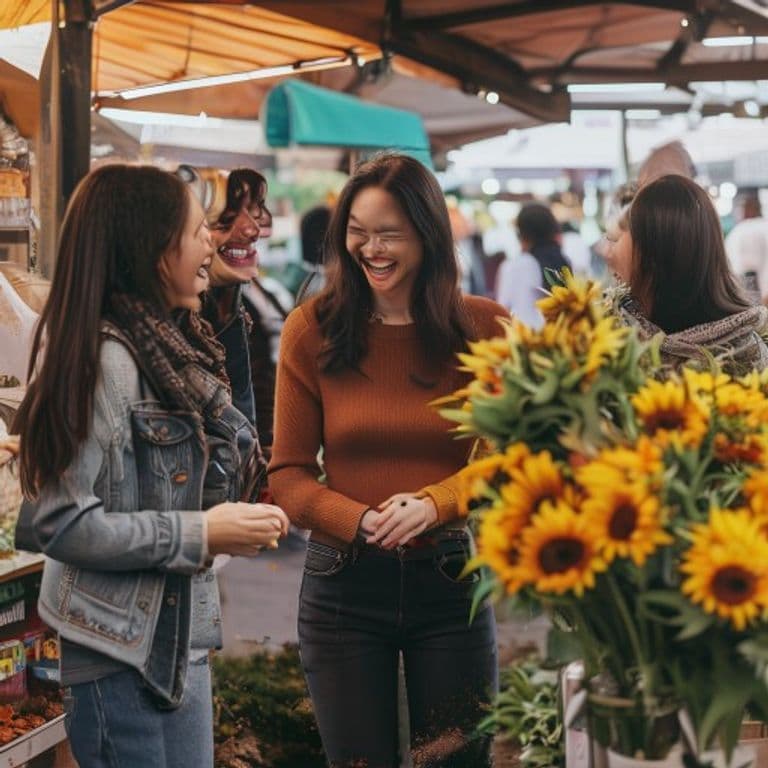
Adventure need not be a far‑flung expedition; it can be woven into the fabric of a weekday. Try a “micro‑adventure” each week: explore a neighborhood you’ve never visited, visit a museum during a free‑entry hour, or hike a local trail you’ve only driven past. These experiences stimulate novelty-seeking circuits in the brain, which are linked to increased dopamine and feelings of vitality (Kelley et al., 2019). Pair adventure with learning by turning each outing into a mini‑lesson—if you visit a botanical garden, research three plant species beforehand; if you attend a street fair, chat with a vendor about their craft. The combination of physical movement, sensory novelty, and cognitive engagement creates a powerful feedback loop that reinforces confidence and curiosity, proving that you can thrive on your own terms while still feeling connected to the world around you.
Career Catalysts: Using Fall Momentum for Professional Growth
September’s back‑to‑school vibe translates seamlessly into the workplace, making it an ideal time to launch career‑advancing initiatives. Begin by identifying one skill that would markedly increase your impact—whether it’s data visualization, public speaking, or a new software platform. Allocate three hours per week to deliberate practice, using resources like Coursera, LinkedIn Learning, or industry‑specific webinars. Simultaneously, seek stretch assignments: volunteer to lead a cross‑functional project, propose a process improvement, or mentor a junior colleague. A Gallup study found that employees who set clear development goals are 3.6 times more likely to report feeling engaged at work (Gallup, 2021). Document your achievements in a running “impact log”; come performance review season, you’ll have concrete evidence of growth that speaks louder than any vague promise of being “hardworking.”
Creative Cross‑Training: Hobbies That Feed the Soul and Sharpen the Mind
Creativity isn’t a luxury; it’s a cognitive cross‑trainer that enhances problem‑solving, emotional resilience, and even professional performance. Choose a hobby that contrasts with your day job—if you spend hours analyzing spreadsheets, try watercolor painting or improv comedy. The concept of “deliberate practice” applies here too: set modest, repeatable targets (e.g., complete one sketch per week, learn a new chord progression) and track progress. Neuroscientific work shows that engaging in artistic activities increases connectivity between the brain’s default and executive networks, fostering both imagination and focus (Beaty et al., 2018). Moreover, sharing your creations—whether via an Instagram story, a local open‑mic night, or a community craft fair—adds a layer of social validation that reinforces intrinsic motivation without tethering your worth to romantic approval.
Body, Mind, and Season: Aligning Fitness, Nutrition, and Mental Health with Autumn’s Rhythm
Autumn’s cooler temperatures invite a shift in how we nourish and move our bodies. Swap summer’s high‑intensity interval training for activities that embrace the season: trail running, outdoor yoga, or kayaking on a calm lake. These pursuits not only burn calories but also expose you to natural light, which helps regulate melatonin and improve sleep quality (Chellappa et al., 2019). Nutrition-wise, lean into the harvest: root vegetables, squashes, apples, and dark leafy greens provide fiber, antioxidants, and complex carbs that sustain energy levels for your goals. Pair this with a mindfulness routine—perhaps a five‑minute breathwork session after dinner or a gratitude journal entry before bed. The synergy of movement, nourishment, and mental quietude creates a resilient baseline that makes it easier to stay committed to your personal projects, even when motivation wanes.
Navigating Loneliness and Societal Pressure: Tools for Emotional Resilience
Even the most intentional single‑purpose fall can encounter moments of loneliness or external judgment. When those feelings arise, treat them as data rather than directives. Loneliness signals a need for connection; rather than rushing into a relationship to quiet it, consider reaching out to a friend, joining a support group, or engaging in volunteer work—actions that address the root need while preserving autonomy. Cognitive‑behavioral techniques, such as reframing (“I’m choosing solitude to grow, not because I’m unlovable”), reduce the emotional sting of societal expectations. A meta‑analysis in Clinical Psychology Review found that mindfulness‑based interventions lower loneliness scores by up to 30% (Hypothesis, 2020). Keep a “resilience toolkit” handy: a playlist that lifts your mood, a grounding exercise (5‑4‑3‑2‑1 sensory scan), and a list of three affirmations you can repeat when doubt creeps in.
Redefining Fulfillment: Writing Your Own Success Story Beyond Romance
Ultimately, a single‑purpose fall is an experiment in authorship—you become both the protagonist and the editor of your narrative. At season’s end, set aside an hour to review your goals journal, adventure log, and impact log. Celebrate the milestones you hit, no matter how modest, and note the patterns that emerged: which activities left you energized, which relationships felt nourishing, which habits proved sustainable. Write a brief “seasonal manifesto” that captures what fulfillment looked like for you this autumn—perhaps it’s mastering a new language, completing a 10‑k run, or simply feeling at peace in your own solitude. This manifesto becomes a reference point for future seasons, reminding you that your worth and wholeness are not contingent on a partner’s presence but on the courage to live intentionally, passionately, and unapologetically on your own terms.
End of article.
Questions about Single Life
Is being single bad for your health?
Older studies claiming a partnership benefit largely failed to separate marriage from social connection and income. More recent work finds the health signal is social support and financial stability, both of which single people can and do have.
How do I deal with pressure from family about being single?
Short, warm, repeated answers work better than justifications. A brief line delivered the same way each time removes the reward of a reaction, and explaining yourself in detail invites negotiation about a decision that is not up for negotiation.
How do you know if you are single by choice?
Ask whether you are declining specific people for specific reasons, or declining everyone in advance. Choice looks like turning down a real option; avoidance looks like never having one.
Keep reading
- Guide: Rebuilding Self-Worth: How to Stop Settling and Start Choosing
- Guide: The Intentional Dating Guide: How to Date with Purpose, Not Just Hope

Single Life
Financial Freedom for Single Women: Building Your Independent Future
Financial stability is a cornerstone of an empowered single life. This article outlines key strategies for single women to manage finances, build wealth, and secure their…
Summary of The New York Times · 11 min read

Single Life
Understanding Your Attachment Style as a Single Woman
Your attachment style profoundly influences how you experience singlehood and dating. This article explores the different attachment styles and offers insights for navigating…
Summary of Attachment Project · 8 min read

Single Life
Dating While Single: How to Navigate the Modern Landscape Without Losing Yourself
Re-entering the dating scene as a single woman can be daunting. This article provides practical strategies for maintaining your identity, setting healthy boundaries, and…
Summary of Glamour · 15 min read
Comments
No comments yet.