Dating Trends · 11 min read
The 'Slow Burn' Romance: A May 2021 Trend for Deeper Connections
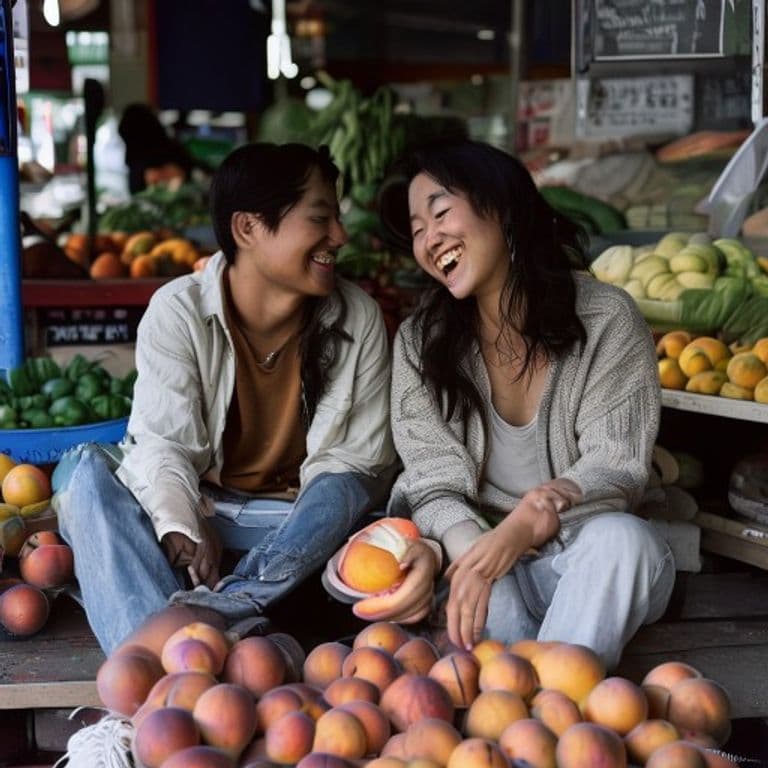
Contrary to the speedy connections often found online, May 2021 saw a rise in appreciation for the 'slow burn' romance. This approach emphasizes building a solid foundation of friendship and understanding before diving into romance.
Chloe Davis · May 23, 2021
Our take
In a world where swiping right can feel like ordering a latte—fast, convenient, and often forgettable—the “slow burn” romance reminds us that genuine connection is a simmering pot, not a microwave meal. This approach isn’t about playing hard‑to‑get; it’s about intentionally investing time in friendship, trust, and shared values before letting romance ignite. For modern women navigating endless options and societal pressure to “settle down,” embracing a slow burn offers a empowering framework to prioritize quality, authenticity, and long‑term resilience in love. Let’s explore why taking it slow might be the most revolutionary act of self‑care in today’s dating landscape.
Key takeaways
- The term “slow burn” originally described a narrative technique where tension builds gradually, culminating in a powerful payoff.
- Human attachment systems are wired for safety and predictability.
- At the heart of every slow burn is a genuine friendship.
- Apps are designed for speed, yet they can still serve as tools for a slow burn if used intentionally.
Understanding the Slow Burn Phenomenon
The term “slow burn” originally described a narrative technique where tension builds gradually, culminating in a powerful payoff. In dating, it mirrors that same principle: emotional intimacy develops over weeks or months rather than hours. Unlike the whirlwind romances often glorified in movies, a slow burn emphasizes deliberate pacing, allowing both partners to reveal their true selves without the pressure of immediate labels.
Research from the University of Texas (2020) found that couples who reported a longer friendship phase before becoming romantically involved reported higher relationship satisfaction and lower breakup rates after two years. This suggests that the foundation built during the platonic stage acts as a buffer against the inevitable stresses of long‑term partnership.
For many women, the slow burn also offers a reprieve from the fatigue of endless first dates. By shifting focus from “finding the one” to “getting to know someone,” dating becomes less about performance and more about genuine curiosity—a mindset shift that can reduce anxiety and increase enjoyment.
The Psychology Behind Taking It Slow
Human attachment systems are wired for safety and predictability. When we rush into romance, we often bypass the brain’s natural vetting process, relying instead on chemistry and infatuation, which can be fleeting. Psychologist Dr. Sue Johnson, creator of Emotionally Focused Therapy, explains that secure attachment forms when partners consistently experience responsiveness and reliability—qualities that are best observed over time.
A slow burn gives the nervous system space to calibrate. Early interactions trigger dopamine spikes, but sustained connection stimulates oxytocin release, the hormone associated with bonding and trust. By allowing the relationship to progress from novelty to familiarity, couples cultivate a deeper neurochemical bond that feels less like a high‑risk gamble and more like a steady investment.
Moreover, taking it slow mitigates the “idealization bias” that often accompanies rapid romantic escalation. When we know someone as a friend first, we see their quirks, coping mechanisms, and values in everyday contexts, reducing the likelihood of unpleasant surprises once the relationship becomes exclusive.
Friendship First: Building a Platonic Foundation
At the heart of every slow burn is a genuine friendship. This isn’t merely “hanging out” until romance sparks; it’s an active practice of mutual disclosure, shared activities, and emotional support without romantic expectations.
Practical steps to cultivate friendship‑first dynamics:
- Schedule regular, low‑stakes meet‑ups (coffee walks, museum visits, hobby classes) that prioritize conversation over physical escalation.
- Practice reciprocal vulnerability by sharing personal stories, fears, and aspirations, then inviting your partner to do the same.
- Establish clear boundaries around physical intimacy early on, agreeing to keep things platonic until both feel a natural shift toward romance.
Real‑world example: Maya and Jordan met through a book club. For four months they attended weekly discussions, exchanged book recommendations, and supported each other through career changes. Only after they felt comfortable discussing their past relationships did they acknowledge a romantic spark, which they then explored slowly, resulting in an engagement two years later.
Navigating Digital Dating While Embracing Patience
Apps are designed for speed, yet they can still serve as tools for a slow burn if used intentionally. The key is to shift the objective from “match → date → couple” to “match → conversation → friendship → potential romance.”
Strategies for a slow‑burn mindset online:
- Limit swipe volume: Choose a handful of profiles that genuinely intrigue you rather than endless scrolling.
- Initiate meaningful conversation: Ask open‑ended questions about values, life goals, or favorite memories instead of generic “hey.”
- Transition to voice or video chats early: Hearing tone and seeing facial expressions accelerates emotional understanding without rushing physical intimacy.
- Set a “friendship timeline”: Agree with a match to get to know each other as friends for a set period (e.g., six weeks) before discussing romantic exclusivity.
A 2022 Pew Research study noted that 38% of online daters who reported taking at least a month to move from chatting to meeting in person described their eventual relationships as “more stable” than those who met within a week.
Red Flags: When Slow Burn Becomes Stagnation
While patience is virtuous, an excessively prolonged platonic phase can mask avoidance or fear of commitment. Recognizing the difference between healthy pacing and stagnation is crucial.
Warning signs to watch for:
- Avoidance of future talk: Consistently deflecting conversations about where the relationship is headed.
- Imbalanced effort: One person initiates all plans or emotional sharing while the other remains passive.
- Leveraging friendship as a safety net: Staying in the platonic zone to avoid vulnerability or potential rejection.
- External pressure masquerading as patience: Friends or family urging you to “wait” despite clear romantic interest from both sides.
If you notice these patterns, consider a candid check‑in: “I enjoy our friendship and feel a deeper connection forming. How do you see us moving forward?” This opens the door for honest alignment rather than assumptions.
Expert Insights: What Therapists Say About Slow Burn
Marriage and family therapist Dr. Laura Berman emphasizes that “the slow burn is essentially a built‑in compatibility test.” She notes that couples who allow time for conflict resolution in a friendship context develop healthier communication patterns that translate into romantic partnerships.
Clinical psychologist Dr. Amir Levine, co‑author of Attached, adds that “secure attachment is forged through repeated experiences of reliability.” In a slow burn, partners repeatedly demonstrate dependability—showing up on time, listening attentively, following through on promises—thereby laying the groundwork for trust.
Furthermore, relationship researcher Dr. John Gottman’s “Sound Relationship House” theory highlights friendship as the cornerstone of lasting love. His research shows that couples who rate their friendship highly are significantly more likely to weather stress and maintain intimacy over decades.
Real‑Life Stories: Couples Who Mastered the Slow Burn
Story 1: The Collegiate Rekindle
Alex and Priya met in a freshman seminar. They became study partners, then roommates, sharing late‑night conversations about dreams and anxieties. After two years of platonic closeness, they realized their affection had evolved. They dated for another year before marrying, citing their deep friendship as the reason they could navigate early‑year conflicts with empathy.
Story 2: The Cross‑Country Connection
After matching on a dating app, Sam and Lena agreed to video chat twice weekly for three months before meeting in person. They discussed everything from family traditions to financial philosophies. When they finally met, the ease of their conversation felt like reuniting with an old friend. Their engagement followed eighteen months later, and they attribute their low divorce‑risk profile to the thorough vetting they performed early on.
Story 3: The Post‑Divorce Pause
Divorced after a seven‑year marriage, Nicole feared jumping into another relationship too soon. She joined a hiking group, where she met Tom. They trekked together for months, sharing trail stories and personal reflections. The absence of romantic pressure allowed them to discover shared values around parenting and lifestyle. Six months of friendship preceded a romantic declaration, and they now co‑parent Nicole’s children with a united front.
These narratives illustrate that a slow burn is not a one‑size‑fits‑all timetable but a mindset that honors individual histories and emotional readiness.
Practical Steps to Cultivate a Slow Burn Romance
Implementing a slow burn requires intentional habits. Below is a step‑by‑step guide you can adapt to your dating life.
Clarify Your Intentions
Write down what you seek: companionship, emotional safety, shared growth. Having a clear “why” protects you from drifting into aimless hanging out.Select Activities that Foster Dialogue
Choose settings conducive to talking—coffee shops, parks, museums—over loud bars or movie theaters where conversation is limited.Practice Active Listening
Mirror back what you hear (“It sounds like you felt…”) and ask follow‑up questions. This signals respect and deepens understanding.Share Gradually
Begin with light topics (hobbies, favorite films) and slowly move to more personal subjects (family dynamics, past disappointments). Reciprocity is key; if one person shares deeply, invite the other to do the same at their pace.Check In Regularly
Every few weeks, ask: “How are you feeling about where we are?” This prevents assumptions and ensures both parties are on the same trajectory.Define Physical Boundaries Early
Discuss what level of physical affection feels comfortable at each stage (e.g., hugging after the third date, kissing after a month of consistent friendship). Adjust as mutual comfort grows.Celebrate Milestones, Not Timelines
Acknowledge progress—first meaningful conversation, first time you felt truly seen—rather than fixating on arbitrary dates like “three‑month rule.”
By treating the relationship as a evolving project rather than a race, you create space for authentic connection to blossom.
Balancing Independence and Intimacy
A slow burn does not mean sacrificing your autonomy. In fact, maintaining a sense of self enriches the partnership.
Strategies to preserve independence while deepening intimacy:
- Continue Solo Pursuits: Keep hobbies, career goals, and friendships alive. A partner who respects your individuality is a sign of a healthy dynamic.
- Set Personal Boundaries: Clearly communicate your need for alone time or space to recharge, and honor your partner’s request for the same.
- Share, Don’t Merge: Aim for “we” without losing “I.” Celebrate shared experiences while also honoring separate achievements.
- Financial Autonomy: Especially early on, maintain separate finances or clearly defined shared expenses to avoid power imbalances.
Research from the Journal of Marriage and Family (2021) found that couples who reported high levels of both intimacy and personal autonomy exhibited lower rates of resentment and higher relationship longevity.
Overcoming Societal Pressure for Quick Relationships
Cultural narratives often equate relationship speed with success—think “engagement by 30” or “married by 35.” These timelines can trigger anxiety and lead to rushed decisions.
How to resist external pressures:
- Curate Your Media Diet: Unfollow accounts that glorify whirlwind romances; follow creators who celebrate slow, intentional love.
- Create a Personal Relationship Vision Board: Outline what a fulfilling partnership looks like for you—values, lifestyle, emotional safety—rather than adhering to societal checklists.
- Lean on Supportive Communities: Join forums or local groups where members discuss mindful dating; shared experiences reinforce that you’re not alone in choosing a slower path.
- Practice Self‑Compassion: Remind yourself that your timeline is valid. A delayed partnership does not reflect inadequacy; it reflects discernment.
By reframing the narrative, you reclaim agency over your love life, turning societal expectations into background noise rather than a directive.
Maintaining Momentum: Keeping the Spark Alive
Even after romance ignites, the slow‑burn mindset remains valuable. Continuous effort prevents complacency and keeps the relationship vibrant.
Ongoing practices:
- Weekly “State of the Union” chats: Discuss highlights, concerns, and appreciations—similar to a business review but focused on emotional health.
- Novelty Together: Try new activities quarterly (cooking class, dance lesson, weekend trip) to stimulate shared dopamine releases.
- Gratitude Rituals: Each night, share one thing you appreciated about your partner that day. Small acknowledgments reinforce positive regard.
- Conflict Repair: Use the slow‑burn principle of patience during disagreements—pause, reflect, then return with curiosity rather than blame.
Gottman’s research shows that couples who regularly engage in positive interactions (a 5:1 ratio of positive to negative exchanges) are far more likely to stay satisfied over decades.
Conclusion: Embracing the Journey
The slow burn romance is more than a dating trend; it’s a philosophy that honors the depth of human connection. By investing time in friendship, practicing patience, and maintaining clear communication, we lay a foundation that can weather life’s inevitable storms. For women seeking love that feels both safe and exhilarating, the slow burn offers a roadmap rooted in self‑respect, mutual understanding, and genuine joy.
As you navigate the ever‑evolving world of dating, remember that the most lasting flames are often those that were allowed to grow slowly, fed by trust and shared stories. Let your love story be a testament to the power of taking it slow—because the best connections are worth the wait.
Questions about Dating Trends
Is online dating declining?
Engagement with the largest apps has softened and users report more fatigue, but online dating remains the most common way couples meet. The shift is toward smaller, intent-specific platforms and renewed interest in meeting offline rather than an outright decline.
Are people dating less than they used to?
Younger cohorts report fewer partners and later first relationships than previous generations at the same age. Whether that reflects intentional selectivity or reduced opportunity is genuinely contested in the research.
What is the biggest change in dating over the last five years?
Explicitness about intent. Stating what you are looking for at the outset has moved from unusual to expected, largely as a reaction against situationships and open-ended ambiguity.
Keep reading

Dating Trends
2026 Dating Trends: Chalance, Sending Voice Notes, More
2026 Dating Trends: Chalance, Sending Voice Notes, More 2x Copy link • Live Share Live • • 1 401. Back Search
Summary of Youtube · 10 min read

Dating Trends
2026 Dating Trends (Actually) Worth Paying Attention To - Chasing Foxes
2026 Dating Trends That Are Actually Worth Paying Attention To · 1. Dating Intentionally · 2. Friendfluence · 3. Creating a Dating Cut List · 4. Emotional Vibe ...
Summary of Chasingfoxes · 11 min read

Dating Trends
Singles Are Embracing Slow-Burn Dating, New Kinsey Data Shows
And according to new data released by the Kinsey Institute, more and more daters are opting to give people second chances and stay open minded to someone they didn’t have an…
Summary of Cosmopolitan · 14 min read
Comments
No comments yet.