Single Life · 11 min read
Your Summer Social Calendar: How to Meet New People (Without the Pressure)
Feeling the summer social pull but unsure how to expand your circle? This guide offers practical, low-pressure strategies for meeting new people and making meaningful connections as a single individual.
Chloe Davis · June 3, 2023
Our take
Summer isn’t just a season for sunshine and barbecues—it’s a ripe moment to rewire how we meet people, moving beyond the swipe‑and‑wait cycle of dating apps into spaces where connection feels effortless and authentic. For modern women navigating the complexities of dating, career, and self‑growth, cultivating a low‑pressure social life isn’t about finding “the one” tomorrow; it’s about enriching your world with diverse perspectives, shared laughter, and the kind of organic chemistry that often sparks something deeper later. This guide offers a roadmap to turn those long, lazy days into a laboratory for genuine human connection, reminding you that the best relationships often begin when you’re not looking for them at all.
Key takeaways
- Dating apps have democratized access to potential partners, yet they also introduce a paradox of choice that can leave us feeling more lonely than connected.
- The fear of awkward silences often keeps us from initiating chats, yet research shows that most people actually welcome a friendly overture.
- Your current friends are untapped social amplifiers.
- Novelty is a powerful social catalyst. Neuroscientists have found that engaging in new activities releases dopamine, which not only boosts mood but also heightens our openness to others.
Beyond the Dating Apps: Rediscovering Organic Connection
Dating apps have democratized access to potential partners, yet they also introduce a paradox of choice that can leave us feeling more lonely than connected. A 2023 study from the Journal of Social and Personal Relationships found that individuals who met partners through shared activities reported higher relationship satisfaction and lower breakup rates than those who met solely online. The reason? Shared context creates immediate common ground, reducing the pressure to perform and allowing personality to shine through naturally.
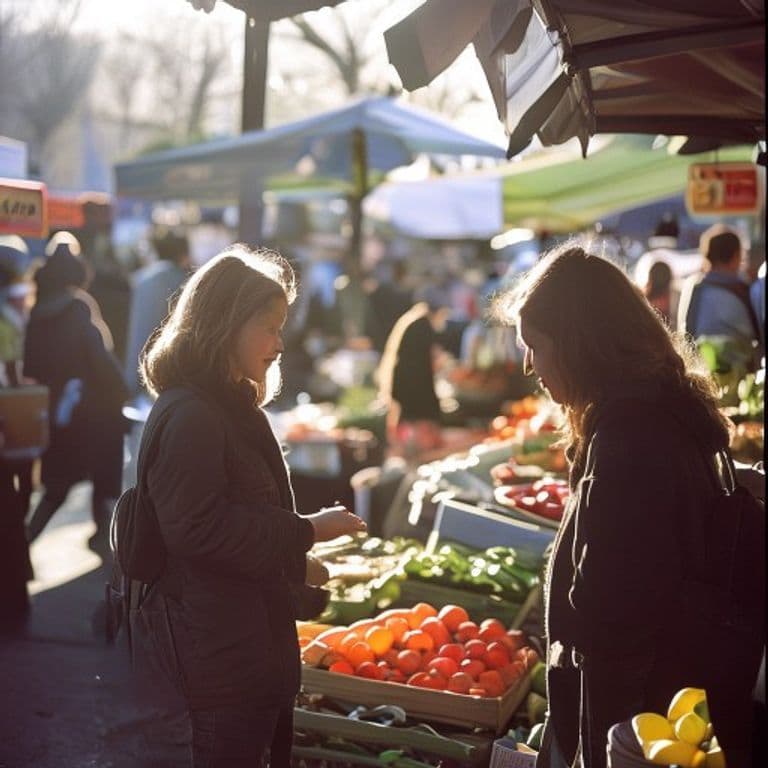
When you step away from the screen and into a pottery class, a community garden, or a weekend market, you’re engaging in what psychologists call “incidental similarity”—the subtle, unconscious bonding that occurs when people discover they enjoy the same things. This isn’t just feel‑good fluff; it’s a proven pathway to trust. So this summer, treat your social calendar as a curiosity‑driven experiment: sign up for one activity that piques your interest, attend with zero expectations, and notice how conversations flow when the agenda is simply to learn or create together.
Mastering the Casual Conversation: From Small Talk to Meaningful Exchange
The fear of awkward silences often keeps us from initiating chats, yet research shows that most people actually welcome a friendly overture. In a field experiment conducted by the University of Chicago, participants who were instructed to start a conversation with a stranger reported feeling happier and more connected afterward, while the strangers themselves rated the interaction as pleasant and low‑stakes. The key lies in framing: treat every exchange as an invitation to share a snippet of your world, not an interrogation.
Start with an open‑ended observation tied to the environment—“I love how the light hits the water here; do you come to this park often?”—then listen actively. Reflect back what you hear (“It sounds like you’ve been coming here for years to unwind after work”) and add a brief personal note (“I’ve been trying to make my mornings more peaceful with a quick jog”). This rhythm of observe‑reflect‑share keeps the dialogue balanced and reveals shared values without the heaviness of a “getting to know you” interview.
Leveraging Your Existing Network: Friends as Social Bridges
Your current friends are untapped social amplifiers. A 2021 Harvard Business Review article highlighted that weak ties—acquaintances of friends—are often more valuable for introducing novel opportunities than close friends, because they move in different circles. Letting your inner circle know you’re eager to meet new people can turn a casual backyard BBQ into a gateway to fresh faces.
Try a simple tactic: the “friend‑of‑a‑friend” invitation. Text a close friend: “Hey, I’m looking to expand my summer social scene—any fun gatherings coming up where I could tag along?” Most friends will be thrilled to include you, and the built‑in voucher of trust reduces the initial awkwardness. When you arrive, aim to connect with at least one person you don’t know by asking about their connection to the host (“How do you know Maya?”). This not only gives you a natural conversation starter but also signals that you’re interested in the web of relationships, not just a one‑off chat.
Embracing New Experiences: Summer as a Laboratory for Growth
Novelty is a powerful social catalyst. Neuroscientists have found that engaging in new activities releases dopamine, which not only boosts mood but also heightens our openness to others. When you’re learning something together—whether it’s salsa rolling, kayaking, or a weekend woodworking workshop—the shared vulnerability of being a beginner creates instant camaraderie.
Consider building a “summer skill list”: pick three activities you’ve always been curious about but never tried. Schedule them spaced out over the season, and treat each as a low‑stakes social experiment. After each session, jot down three observations: what you enjoyed, who you clicked with, and any surprising insight about yourself. Over time, you’ll notice patterns—perhaps you gravitate toward collaborative, hands‑on settings, or you thrive in quiet, reflective groups like book clubs. This self‑knowledge becomes a compass for future social choices, steering you toward environments where you’ll naturally flourish.
The Power of Shared Interests: Clubs, Classes, and Community Groups
Interest‑based gatherings act as social glue because they attract people who already allocate time and energy to a particular passion. According to a Meetup report, 68% of attendees say they’ve formed lasting friendships through groups centered on hobbies ranging from board games to urban gardening. The beauty lies in the low barrier to entry: you show up, participate, and let the activity itself facilitate interaction.
To maximize these settings, arrive a few minutes early to help set up or grab a seat near the facilitator—people often gravitate toward those who appear engaged. During the session, ask a genuine question related to the topic (“What got you into pottery?”) and follow up with a personal anecdote (“I tried throwing a vase last year and ended up with a lopsided bowl—still proud of it!”). Afterward, linger for a few minutes; the informal post‑class chat is where many connections deepen. If you feel a spark, suggest a casual follow‑up: “I’m grabbing a smoothie at the juice bar down the street—care to join?”
Navigating Social Events with Confidence: Tips for Introverts and Extroverts Alike
Large gatherings—festivals, outdoor concerts, street fairs—can feel overwhelming, yet they offer a high‑density opportunity to meet diverse people. The trick is to design a personal “social entry strategy” that respects your energy limits while keeping you open to serendipity.
Introverts might set a micro‑goal: “I’ll talk to three new people tonight, then recharge with a quiet walk by the river.” Extroverts can aim for depth: “I’ll seek out one conversation that lasts longer than ten minutes and explore a shared interest.” Both approaches benefit from a simple prop—a unique accessory, a interesting tote bag, or a conversation‑starter pin—that invites others to comment. When someone notices your item, you’ve already got an opening line (“Thanks! I got this at a local artisan market—have you been there?”). Remember, you don’t need to be the life of the party; you just need to be present enough to let genuine connections find you.
Volunteering and Purpose‑Driven Activities: Meeting People Who Share Your Values
Altruistic settings attract individuals who prioritize compassion, community, and impact—qualities that often translate into strong relational foundations. A 2022 Corporation for National and Community Service study revealed that volunteers reported higher levels of trust and perceived similarity with fellow volunteers compared to non‑volunteers in similar social contexts.
Choose a cause that resonates: a beach cleanup, a food‑bank shift, or a mentorship program for teens. Arrive early to sign in, then use the natural downtime—waiting for supplies, walking between sites—to strike up conversation. Ask about what motivated them to volunteer (“I’ve always loved the ocean; what brought you to this cleanup?”) and listen for values alignment. Shared purpose creates a bond that transcends superficial charm, laying groundwork for friendships that can evolve into something more when the timing feels right.
Travel, Staycations, and Micro‑Adventures: Expanding Horizons Locally
You don’t need a passport to reap the social benefits of travel‑like experiences. Micro‑adventures—day trips to a nearby town, a sunrise hike, or a pop‑up art show—offer novelty and the chance to meet people outside your usual radius. According to the U.S. Travel Association, 54% of Americans say they’ve met a friend or romantic partner while on a short‑distance trip.
Plan a “theme day” each month: pick a mode of transport (bike, train, ferry) and explore a destination within a 50‑mile radius that you’ve never visited. Bring a small, shareable snack or a curious question (“What’s your favorite hidden gem in this town?”) to offer to strangers you meet along the way. These gestures signal openness and often lead to spontaneous invitations—joining a local’s impromptu picnic, getting a tip on a secret viewpoint, or simply sharing a laugh over a misread map. The low stakes of a day trip mean you can be authentically curious without the pressure of a long‑term commitment.
Mindset Shifts: Letting Go of Pressure and Embracing Curiosity
The most transformative tool in your social toolkit isn’t a tactic—it’s a mindset. When you approach each interaction with genuine curiosity rather than a hidden agenda, you release the performance anxiety that can stifle authenticity. Psychologist Carol Dweck’s work on growth mindset shows that viewing social skills as improvable abilities leads to greater resilience and enjoyment in social settings.
Practice a simple mantra before heading out: “I’m here to learn, share, and enjoy the moment.” If a conversation fizzles, thank yourself for the effort and move on, knowing that each attempt builds your social muscle. Celebrate small wins—a genuine laugh, a shared recommendation, a new Instagram follow—rather than measuring success solely by whether you exchanged numbers. Over time, this playful, pressure‑free attitude becomes contagious, drawing people who appreciate your relaxed presence.
Safety and Boundaries: Protecting Your Energy While Staying Open
Expanding your social circle should never come at the expense of your well‑being. Setting clear boundaries protects your energy and ensures that connections remain healthy. Experts recommend the “traffic light system”: green for interactions that feel energizing and respectful, yellow for those that leave you feeling neutral or slightly drained, and red for encounters that evoke discomfort or disrespect.
Before attending an event, decide on your personal limits—perhaps you’ll stay for no more than two hours, or you’ll decline invitations that involve excessive drinking if that doesn’t align with your lifestyle. Trust your gut; if a conversation feels one‑sided or invasive, it’s perfectly acceptable to excuse yourself politely (“I’ve enjoyed chatting, but I need to head home now”). Remember, saying no to a mismatch creates space for the right people to enter your life.
Building a Sustainable Social Rhythm: From Summer Flings to Year‑Round Community
Summer’s extended daylight and vacation mindset make it easy to be socially adventurous, but the real magic lies in translating seasonal bursts into lasting habits. Think of your social life as a garden: you plant seeds in summer, tend them in fall, and enjoy the harvest year‑round.
After a promising interaction, follow up within 48 hours with a specific reference (“I loved hearing about your hiking trip to the Cascades—any trail recommendations for a beginner?”). Suggest a low‑commitment next step that aligns with the shared interest (“There’s a free outdoor yoga class Saturday morning; would you like to join?”). Consistency, not intensity, builds trust. Over months, these micro‑moments weave a network of friends who know your quirks, celebrate your wins, and offer support when life gets busy—exactly the kind of community that enriches both dating prospects and overall happiness.
Real‑Life Success Stories: Women Who Turned Summer Experiments into Lasting Bonds
Consider Maya, a 29‑year‑old graphic designer who felt stuck in a routine of work‑home‑repeat. She joined a weekend mural‑painting project in her neighborhood, met fellow volunteers over shared paint splatters, and later collaborated on a freelance illustration gig with one of them. Six months later, that collaboration turned into a romantic relationship grounded in mutual creative respect.
Then there’s Amara, a 34‑year‑old nurse who signed up for a beginner’s swing‑dance class on a whim. The class’s rotating partners meant she interacted with dozens of people each week. She struck up a conversation with a fellow dancer who loved vintage jazz, and they began attending live‑music nights together. What started as a fun summer hobby evolved into a deep friendship that introduced her to a wider social circle, ultimately leading to a meaningful partnership she credits to the dance floor’s spontaneous joy.
These stories illustrate a common thread: when you show up authentically for an activity you enjoy, the connections that follow are rooted in shared reality, not curated profiles.
Conclusion: Your Summer Social Blueprint
Summer offers a unique canvas—longer days, lighter schedules, and a collective urge to be outdoors—to redesign how you meet people. By stepping beyond the swipe, embracing curiosity‑driven activities, leveraging your existing network, and nurturing connections with intention, you create a social ecosystem that feels both expansive and grounded. Remember, the goal isn’t to fill every evening with a new face, but to cultivate a handful of genuine interactions that enrich your life today and may blossom into something more tomorrow. So lace up those sneakers, grab that sketchbook, or sign up for that cooking class—your next great conversation is waiting just beyond your comfort zone. Happy exploring!
Questions about Single Life
Is being single bad for your health?
Older studies claiming a partnership benefit largely failed to separate marriage from social connection and income. More recent work finds the health signal is social support and financial stability, both of which single people can and do have.
How do I deal with pressure from family about being single?
Short, warm, repeated answers work better than justifications. A brief line delivered the same way each time removes the reward of a reaction, and explaining yourself in detail invites negotiation about a decision that is not up for negotiation.
How do you know if you are single by choice?
Ask whether you are declining specific people for specific reasons, or declining everyone in advance. Choice looks like turning down a real option; avoidance looks like never having one.
Keep reading
- Guide: Rebuilding Self-Worth: How to Stop Settling and Start Choosing
- Guide: The Intentional Dating Guide: How to Date with Purpose, Not Just Hope

Single Life
Financial Freedom for Single Women: Building Your Independent Future
Financial stability is a cornerstone of an empowered single life. This article outlines key strategies for single women to manage finances, build wealth, and secure their…
Summary of The New York Times · 11 min read

Single Life
Understanding Your Attachment Style as a Single Woman
Your attachment style profoundly influences how you experience singlehood and dating. This article explores the different attachment styles and offers insights for navigating…
Summary of Attachment Project · 8 min read

Single Life
Dating While Single: How to Navigate the Modern Landscape Without Losing Yourself
Re-entering the dating scene as a single woman can be daunting. This article provides practical strategies for maintaining your identity, setting healthy boundaries, and…
Summary of Glamour · 15 min read
Comments
No comments yet.