Marriage & Long-Term · 10 min read
The Great Resignation Meets the Great Recommitment: Rekindling Intimacy Post-Pandemic
As many individuals re-evaluate their priorities in the wake of global shifts, relationships are also undergoing a period of introspection. This piece explores how couples can leverage this 'great recommitment' to foster deeper intimacy and strengthen their long-term bonds.
Dr. Anya Sharma · August 27, 2021
Our take
In the aftermath of a world that forced us to pause, many women are finding themselves at a crossroads—not just in their careers, but in the heart of their relationships. The “Great Resignation” revealed a collective hunger for meaning, and that same yearning is now rippling through our love lives, urging us to ask whether our partnerships truly nourish us or merely survive on autopilot. This article isn’t just a reminder to rekindle romance; it’s a roadmap for turning this moment of collective reflection into a deliberate, empowering recommitment—one where intimacy is rebuilt on honesty, shared growth, and the courage to redefine what a thriving partnership looks like for you. If you’re ready to move beyond “fine” and into a relationship that feels as purposeful as your ambitions, keep reading.
Key takeaways
- When lockdowns swept the globe, daily routines collapsed, and the noise of commutes, office politics, and endless social calendars fell away.
- The term “Great Resignation” captures a collective pushback against stagnation, but it only tells half the story.
- Dr. John Gottman’s concept of the “Emotional Bank Account” remains one of the most practical frameworks for understanding intimacy.
- One of the most common complaints heard in therapy sessions is, “We talk all the time, but we never really talk.” Couples often mistake logistical coordination—discussing chores, calendars, or kids’ schedules—for meanin…
## The Pandemic Pause: A Catalyst for Relationship Reckoning
When lockdowns swept the globe, daily routines collapsed, and the noise of commutes, office politics, and endless social calendars fell away. In that sudden quiet, many couples found themselves face‑to‑face with the raw texture of their bond—no distractions, no external validation, just the two of them navigating uncertainty together. For some, this proximity highlighted long‑ignored fissures: mismatched communication styles, unspoken resentments, or a sense that they were coexisting rather than truly connecting. For others, the shared adversity became a forge, revealing hidden reserves of empathy, teamwork, and a renewed appreciation for the simple act of being present.
Research from the American Psychological Association (2021) noted a 23% increase in couples reporting “relationship reevaluation” during the first year of the pandemic, a statistic that mirrors the broader “Great Resignation” wave where workers quit jobs seeking alignment with personal values. The parallel is striking: just as employees began demanding workplaces that honor their well‑being, partners started asking whether their relationships honored their emotional needs. This moment of reckoning isn’t a sign of failure; it’s an invitation to consciously design a partnership that feels as intentional as the career moves many are now making.
## From Resignation to Recommitment: Shifting the Narrative
The term “Great Resignation” captures a collective pushback against stagnation, but it only tells half the story. As people left jobs that no longer served them, many simultaneously embarked on a “Great Recommitment”—a deliberate effort to invest more deeply in the areas of life that do matter: family, health, creativity, and love. In the relational sphere, recommitment means moving beyond passive maintenance (“we’re fine”) to active cultivation (“we’re growing together”).
Psychologist Dr. Esther Perel describes this shift as moving from a “survival mindset” to a “creation mindset.” When we stop merely enduring our relationships and start asking, “What do we want to build?” we open space for novelty, vulnerability, and shared purpose. For modern women juggling career ambitions, personal growth, and societal expectations, this reframing is empowering: it positions the relationship as a dynamic project rather than a static status symbol, allowing both partners to evolve without fear of outgrowing each other.
## The Emotional Bank Account: Why Small Deposits Matter
Dr. John Gottman’s concept of the “Emotional Bank Account” remains one of the most practical frameworks for understanding intimacy. Every positive interaction— a kind word, a listening ear, a shared laugh—constitutes a deposit; every criticism, dismissal, or ignored need is a withdrawal. Over time, the balance predicts relationship satisfaction: couples with a high surplus weather conflict more easily, while those perpetually overdrawn are prone to resentment and disengagement.
In the post‑pandemic era, many couples discovered that their usual deposits—quick texts, fleeting hugs amid chaotic schedules—had dwindled. Rebuilding the account doesn’t require grand gestures; it thrives on consistency. Consider setting a daily “micro‑deposit” ritual: a five‑minute check‑in where each partner shares one highlight and one challenge from the day, followed by a genuine expression of appreciation. Over weeks, these small deposits compound, creating a reservoir of goodwill that fuels deeper intimacy when life inevitably throws curveballs.
## Intentional Time: Beyond Logistics to Meaningful Connection
One of the most common complaints heard in therapy sessions is, “We talk all the time, but we never really talk.” Couples often mistake logistical coordination—discussing chores, calendars, or kids’ schedules—for meaningful conversation. To deepen intimacy, we must carve out protected time that is free from transactional agendas.
Actionable tip: Schedule a weekly “Relationship Hour” (or two shorter sessions) treated like any other important appointment. During this time, phones are on Do Not Disturb, and the conversation is guided by open‑ended prompts such as:
- “What’s something you’ve felt proud of recently that you haven’t shared with me?”
- “Is there a dream you’ve been postponing that we could explore together?”
- “How can I better support you in the areas where you feel most vulnerable?”
These prompts encourage vulnerability and shift the dialogue from problem‑solving to mutual discovery. Real‑world example: Maya and Jordan, a couple married eight years, began using this structure after realizing their evenings were consumed by Netflix binges and work emails. Within two months, they reported feeling “more seen” and discovered a shared interest in pottery, which became a new joint hobby that further strengthened their bond.
## Shared Experiences: Novelty as a Glue for Intimacy
Neuroscience shows that engaging in novel activities together triggers the release of dopamine, the same neurotransmitter associated with romantic love’s early stages. When couples step outside their routine—whether trying a new cuisine, taking a dance class, or embarking on a weekend hike—the brain tags the experience as rewarding, and the partner becomes part of that reward signal.
Practical ideas:
- Micro‑adventures: Explore a new neighborhood each month, treating it like a tourist in your own city.
- Skill swaps: Teach each other something you’re good at—perhaps you teach your partner basic Photoshop while they show you how to fix a leaky faucet.
- Volunteer side‑by‑side: Jointly serving a cause aligns values and creates a sense of shared purpose beyond the relationship itself.
Take the story of Lena and Alex, who felt their relationship had plateaued after five years. They committed to trying one new activity per quarter—first a cooking class, then a weekend camping trip, later a beginner’s salsa lesson. Each novelty sparked fresh conversations and laughter, breaking the monotony and reminding them why they enjoyed each other’s company in the first place.
## Active Empathy: Listening to Understand, Not to Respond
Empathy goes beyond feeling sorry for a partner’s stress; it involves truly grasping their internal world and communicating that understanding back. Active empathy requires suspending judgment, setting aside the urge to fix, and reflecting back both content and emotion.
Exercise: The “Feel‑Heard” technique. Partner A shares a concern for two minutes without interruption. Partner B then summarizes: “What I’m hearing is that you felt overwhelmed when… and that left you feeling anxious. Is that right?” Partner A confirms or corrects, and then the roles reverse. This simple loop builds trust because it signals that the listener is prioritizing comprehension over rebuttal.
Research from the University of California, Berkeley (2020) found that couples who practiced daily empathy exercises reported a 30% increase in relationship satisfaction over eight weeks, highlighting how intentional listening can recalibrate emotional resonance.
## Redefining Intimacy: Physical, Emotional, and Intellectual Layers
Intimacy is often reduced to physical affection, yet its richness lies in multiple dimensions:
- Emotional intimacy – feeling safe to share fears, hopes, and vulnerabilities.
- Intellectual intimacy – enjoying stimulating conversations, debating ideas, or learning together.
- Experiential intimacy – building memories through shared activities.
- Physical intimacy – affectionate touch, sexual connection, and non‑sexual closeness like cuddling or holding hands.
A thriving long‑term relationship nurtures all four. After the pandemic, many couples reported a resurgence in physical affection simply because they were home more often, but the deeper work lay in revitalizing emotional and intellectual bonds. Consider a couple who instituted a “book‑swap night”: each picks a chapter or article that moved them, reads it aloud, and discusses why it resonated. This habit nurtured intellectual intimacy while also creating a safe space for emotional reactions to surface.
## Navigating Conflict with a Recommitment Lens
Even the most committed couples will encounter disagreement. The difference lies in whether conflict is viewed as a threat to the bond or as an opportunity to deepen understanding. A recommitment mindset encourages partners to approach disputes with curiosity: “What is this conflict revealing about our unmet needs or differing values?”
Framework: The “Repair Attempt” checklist (adapted from Gottman).
- Pause – Agree to take a 20‑minute break if emotions flood.
- Reflect – Identify the underlying feeling (e.g., fear of inadequacy) rather than the surface complaint.
- Re‑engage – Use “I” statements to express needs (“I feel unheard when…”) and invite collaboration (“How can we adjust this together?”).
- Affirm – End the exchange with a reaffirming statement (“I value your perspective and want us to find a solution that works for both”).
By treating conflict as a data‑gathering mission rather than a battle, couples transform potentially erosive moments into stepping stones for greater intimacy.
## Building a Resilient Future: The Ongoing Practice of Recommitment
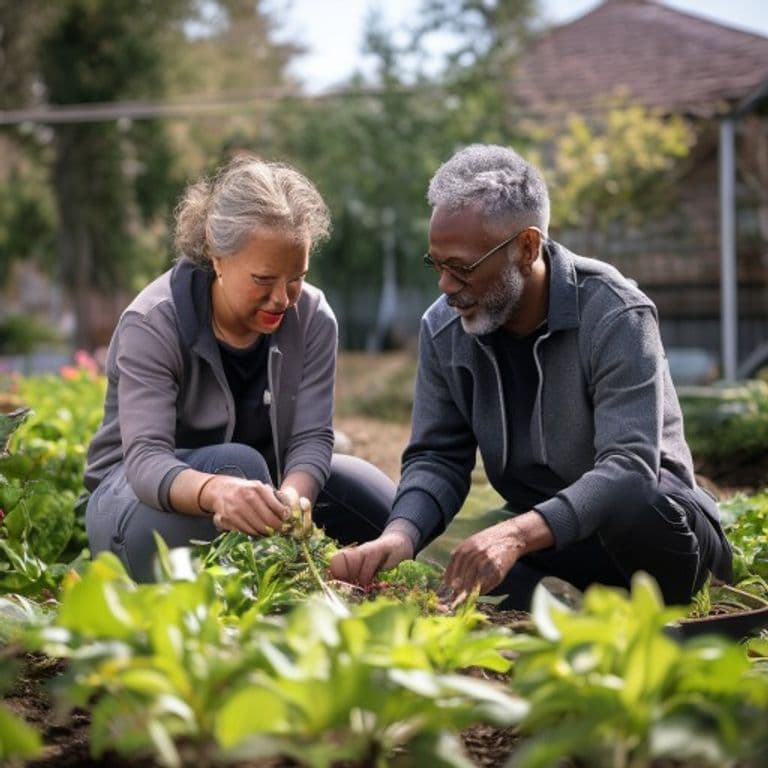
Recommitment is not a one‑time decision made during a pandemic‑induced epiphany; it’s a daily practice of choosing to invest in the partnership. Think of it as tending a garden: you must regularly water, weed, and provide sunlight, adjusting care as seasons change.
Long‑term habits to cultivate:
- Quarterly Relationship Check‑Ins: Set aside an hour every three months to review goals, celebrate wins, and recalibrate expectations.
- Gratitude Journaling (Shared): Each night, write one thing you appreciated about your partner; exchange journals weekly.
- Continual Learning: Attend a workshop, read a book, or listen to a podcast on relationships together—knowledge fuels growth.
- Celebrate Milestones: Acknowledge not just anniversaries but smaller victories like successfully navigating a stressful week or completing a joint project.
When both partners view the relationship as a living, evolving entity, they create a buffer against external stressors—be they career shifts, health challenges, or societal upheavals. The resilience forged through intentional recommitment becomes the foundation for a love that not only endures but thrives.
## Conclusion: Your Invitation to Recommit
The “Great Resignation” taught us to question whether our daily pursuits align with our deepest values. The ensuing “Great Recommitment” offers the same invitation applied to our most intimate bonds. By treating this moment as a chance to pause, reflect, and intentionally redesign how we connect, we open the door to a relationship that feels as purposeful, vibrant, and fulfilling as the lives we are striving to build outside of it.
Start small: choose one of the practices above—perhaps a weekly Relationship Hour or a monthly micro‑adventure—and implement it with genuine curiosity. Notice the shifts in how you feel seen, heard, and cherished. Over time, these deliberate actions compound, crafting a partnership that isn’t merely surviving the post‑pandemic world but actively flourishing within it. You deserve a love that meets you where you are and grows with you—today is the perfect day to begin that recommitment.
Questions about Marriage & Long-Term
What is the most common cause of divorce?
Surveys consistently point to gradual erosion — lack of commitment, persistent unresolved conflict, and growing apart — rather than single dramatic events. Infidelity appears frequently but often as a symptom of a relationship that had already disengaged.
Is the honeymoon phase supposed to end?
Yes. The neurochemistry of early infatuation is not sustainable and typically settles between one and two years. The transition to companionate love is not a failure; couples who expect it navigate it far better than couples who read it as lost love.
When should couples go to therapy?
Earlier than most do. The commonly cited figure is that couples wait around six years after problems surface. Counselling is most effective before contempt has set in, and treating it as maintenance rather than a last resort substantially improves outcomes.
Keep reading
- Guide: The Four Horsemen: How to Recognize & Replace the Communication Patterns That Destroy Relationships
- Guide: The Science of Sexual Communication: How Talking About Sex Transforms Your Intimate Life
- Guide: Nonviolent Communication: A Step-by-Step Guide to Expressing Needs Without Starting a Fight

Marriage & Long-Term
Dopamine in Relationships: What Gottman's Research Reveals About ...
How does dopamine shape attraction, bonding, and conflict in relationships? Explore Gottman's principles for lasting love and emotional connection.
Summary of Gottman · 11 min read

Marriage & Long-Term
The 5 Everyday Habits That Keep Relationships Strong
Commitment shows up in five ways: fidelity, prioritization, investment, wholeheartedness, and endurance. Betrayal goes beyond infidelity and includes lying, ...
Summary of Psychologytoday · 12 min read

Marriage & Long-Term
My top 10 tips for a long, healthy relationship - Leandie Buys
1. Prioritise open and honest communication: · 2. Make time for “us”: · 3. Show appreciation: · 4. Keep the romance alive: · 5. Explore new experiences together: · 6 ...
Summary of Leandiebuys · 8 min read
Comments
No comments yet.