Marriage & Long-Term · 7 min read
The Power of Shared Hobbies: Strengthening Your Bond Through Common Interests
Beyond daily routines, shared hobbies offer a vital avenue for connection and fun in long-term relationships. Discover how engaging in activities together can deepen intimacy and create lasting memories.
Mark Jenkins · April 30, 2022
Our take
In a world where swipe culture and endless scrolling can make intimacy feel fleeting, carving out intentional moments of joint play is a radical act of love. Shared hobbies aren’t just about filling free time—they’re the glue that turns everyday coexistence into a vibrant partnership where laughter, growth, and mutual respect thrive. For modern women navigating dating and long‑term commitments, prioritizing activities you both enjoy signals that you value the relationship as a living, evolving adventure rather than a static status quo. Let’s explore how to uncover, nurture, and sustain those shared passions so they become the heartbeat of your love story.
Key takeaways
- Life’s relentless pace—career demands, social obligations, digital distractions—often leaves couples running on autopilot.
- The first step is honest, curiosity‑driven conversation.
- Play isn’t just for children; it’s a fundamental adult need that triggers dopamine, oxytocin, and endorphins—chemicals that reinforce pleasure and attachment.
- It’s rare for two people to have identical passion maps, and that’s okay.
Why Shared Hobbies Matter More Than Ever
Life’s relentless pace—career demands, social obligations, digital distractions—often leaves couples running on autopilot. When partners only intersect over chores or logistics, emotional distance can creep in unnoticed. Engaging in a hobby together creates a dedicated “play zone” where the focus shifts from obligations to enjoyment, allowing each person to see the other in a fresh, relaxed light. Research from the University of Denver shows that couples who regularly participate in novel, arousing activities report higher relationship satisfaction and greater feelings of closeness. In short, shared hobbies act as a buffer against the monotony that can erode intimacy over time.
Finding Common Ground: How to Discover Mutual Interests
The first step is honest, curiosity‑driven conversation. Set aside a relaxed evening—perhaps over coffee or a walk—and ask each other: “What activities made you lose track of time as a kid?” or “If you could try anything new without fear of failure, what would it be?” Write down the answers without judgment. Look for overlaps, but also note complementary interests that could be blended (e.g., one loves painting, the other enjoys hiking → plein‑air sketching on trails). If initial lists diverge, treat it as an invitation to experiment: each partner picks one hobby from the other’s list to try for a single session. The goal isn’t immediate mastery; it’s about experiencing vulnerability together and discovering what sparks joy when you’re side by side.
The Science of Play: Why Shared Activities Boost Bonding
Play isn’t just for children; it’s a fundamental adult need that triggers dopamine, oxytocin, and endorphins—chemicals that reinforce pleasure and attachment. Psychologist Arthur Aron’s seminal study on “self‑expansion” found that couples who engage in exciting, novel togetherness experience faster growth in relationship quality than those who stick to routine. Moreover, Gottman Institute data reveals that couples who maintain a 5:1 ratio of positive to negative interactions are far more likely to stay satisfied long term; shared fun is a potent source of those positive deposits. When you laugh, solve a puzzle, or conquer a trail together, you’re literally building a neurochemical foundation of trust and affection.
Overcoming Obstacles: When Interests Don’t Align
It’s rare for two people to have identical passion maps, and that’s okay. The key is to distinguish between “core non‑negotiables” (values, lifestyle needs) and “flexible preferences.” If one partner dreads crowded gyms while the other loves spin class, explore alternatives: outdoor cycling, virtual spin apps, or a dance‑based workout that feels like play rather than punishment. Schedule a “hobby swap” month where each partner gets to introduce the other to their favorite activity, with the understanding that the other will give it a genuine try—no pressure to love it, just to experience it. Often, the act of showing up for each other’s interests builds empathy and reveals hidden common ground.
From Hobby to Habit: Building a Routine That Sticks
Consistency transforms occasional fun into a relationship anchor. Start small: block a 30‑minute “play slot” once a week in your shared calendar, treating it as non‑negotiable as a doctor’s appointment. Use habit‑stacking—pair the new hobby with an existing routine (e.g., after dinner, spend 20 minutes on a joint puzzle). Leverage technology: set recurring reminders, use shared apps like Google Calendar or Trello to track progress, and celebrate milestones with a simple ritual (a toast, a photo, a mini‑reward). Over time, increase frequency or duration as the activity feels natural, not forced. Remember, the goal is sustainable joy, not perfection.
Creative Hobby Ideas for Modern Couples
Looking for inspiration beyond the usual dinner‑and‑a‑movie? Consider these categories, each with low‑barrier entry points:
- Movement & Outdoors: beginner’s rock climbing, kayaking, urban foraging, sunrise yoga in the park.
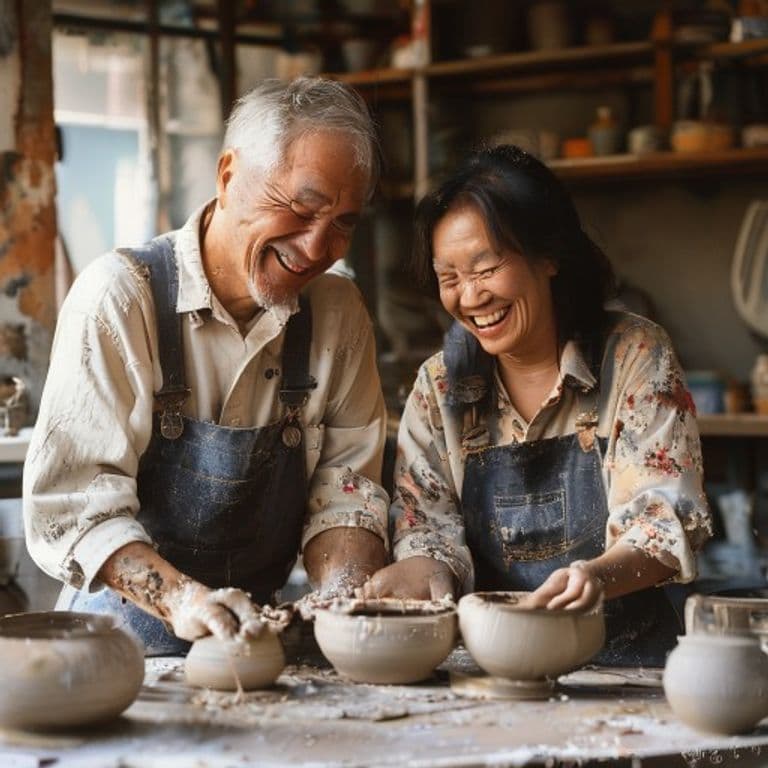
- Creative Arts: pottery wheel classes, collaborative mural painting, DIY home décor projects, songwriting or ukulele lessons.
- Culinary Adventures: themed cooking nights (e.g., “Street Food of Thailand”), fermentation workshops, dessert‑only bake‑offs.
- Intellectual Play: escape rooms (virtual or in‑person), board‑game cafés, trivia nights, language‑learning duos.
- Tech‑Savvy Fun: drone photography, co‑streaming video games with cooperative modes, building a smart‑home gadget together.
Pick one that sparks curiosity, try it for a single session, then decide whether to iterate, pivot, or shelve it—no guilt attached.
Balancing Individuality and Togetherness
A thriving relationship honors both “me” and “we.” While shared hobbies nurture connection, preserving personal pursuits prevents resentment and keeps each partner feeling fulfilled. Agree on a hobby‑budget split: perhaps 60% of leisure time goes to joint activities, 40% to solo interests. Communicate openly when you need alone time to recharge; frame it as “I’m investing in myself so I can bring my best self to our shared moments.” This balance ensures that the couple’s play remains a source of joy rather than an obligation that stifles individual growth.
Real‑Life Success Stories: Couples Who Thrived Through Shared Hobbies
Jessica & Marco discovered a mutual love for urban gardening after a failed attempt at solo succulent care. Transforming their balcony into a mini‑farm gave them daily check‑ins, shared harvests, and a tangible project that mirrored their relationship’s growth. Leila & Sam turned their weekly board‑game nights into a tradition that sparked deeper conversations about strategy, risk, and compromise—skills that translated to smoother conflict resolution at work and home. Aisha & Priya began taking salsa lessons together; the physical closeness and laughter rekindled intimacy after a stressful year of remote work, and they now compete in local dance showcases, celebrating each other’s progress. These vignettes illustrate how intentional play can become a cornerstone of lasting partnership.
Measuring the Impact: Signs Your Hobby Time Is Working
How do you know your shared hobby is delivering the promised benefits? Look for these indicators:
- Increased laughter and lighthearted teasing during and after the activity.
- Easier conflict resolution: you notice you’re quicker to apologize or find compromise after a fun session.
- Greater emotional openness: partners share thoughts or feelings more readily when relaxed from play.
- Anticipation: you both look forward to the hobby slot and feel a sense of loss when it’s missed.
- Shared storytelling: you recount hobby‑related anecdotes to friends, reinforcing a joint identity.
If these signs appear consistently, your hobby is strengthening your relational “emotional bank account.”
Keeping the Spark Alive: Evolving Your Shared Activities Over Time
Interests naturally shift as individuals grow, and that’s healthy. Schedule a quarterly “hobby review” where you ask: “What’s still lighting us up? What feels stale? What new thing have we been curious about?” Use the answers to rotate in fresh options while retiring activities that no longer serve you both. Embrace the idea that your shared play portfolio is a living scrapbook—each chapter reflects who you were together at that moment, and the next chapter invites you to co‑author the next adventure.
Conclusion: Make Play a Priority
In the tapestry of a lasting relationship, shared hobbies are the vibrant threads that weave joy, resilience, and deep connection into everyday life. They remind us that love isn’t just about weathering storms together—it’s also about dancing in the rain, building sandcastles, and discovering new horizons side by side. By intentionally carving out time for play, communicating openly about interests, and honoring both togetherness and individuality, modern couples can transform ordinary routines into extraordinary love stories. So grab a paddle, a paintbrush, or a puzzle, and let the adventure begin—your relationship will thank you for it.
Questions about Marriage & Long-Term
What is the most common cause of divorce?
Surveys consistently point to gradual erosion — lack of commitment, persistent unresolved conflict, and growing apart — rather than single dramatic events. Infidelity appears frequently but often as a symptom of a relationship that had already disengaged.
Is the honeymoon phase supposed to end?
Yes. The neurochemistry of early infatuation is not sustainable and typically settles between one and two years. The transition to companionate love is not a failure; couples who expect it navigate it far better than couples who read it as lost love.
When should couples go to therapy?
Earlier than most do. The commonly cited figure is that couples wait around six years after problems surface. Counselling is most effective before contempt has set in, and treating it as maintenance rather than a last resort substantially improves outcomes.
Keep reading
- Guide: The Four Horsemen: How to Recognize & Replace the Communication Patterns That Destroy Relationships
- Guide: The Science of Sexual Communication: How Talking About Sex Transforms Your Intimate Life
- Guide: Nonviolent Communication: A Step-by-Step Guide to Expressing Needs Without Starting a Fight

Marriage & Long-Term
Dopamine in Relationships: What Gottman's Research Reveals About ...
How does dopamine shape attraction, bonding, and conflict in relationships? Explore Gottman's principles for lasting love and emotional connection.
Summary of Gottman · 11 min read

Marriage & Long-Term
The 5 Everyday Habits That Keep Relationships Strong
Commitment shows up in five ways: fidelity, prioritization, investment, wholeheartedness, and endurance. Betrayal goes beyond infidelity and includes lying, ...
Summary of Psychologytoday · 12 min read

Marriage & Long-Term
My top 10 tips for a long, healthy relationship - Leandie Buys
1. Prioritise open and honest communication: · 2. Make time for “us”: · 3. Show appreciation: · 4. Keep the romance alive: · 5. Explore new experiences together: · 6 ...
Summary of Leandiebuys · 8 min read
Comments
No comments yet.